Gramsh sits in the Shkumbin River valley in central Albania — a working town surrounded by a region most visitors drive through without stopping. That’s a mistake. Within 30–60 minutes of Gramsh you’ll find Holta Canyon, 85 natural lakes at Belshi, the Banja Reservoir, and access to Tomorr Mountain. This guide covers every practical question: pricing, pickup, insurance, precise driving directions to Holta Canyon, which routes are prohibited, what to pack, and exactly when to go.
€35
From / Day
10+
Vehicles
€0
Deposit Option
∞
Mileage
100%
Full Insurance
Why Gramsh Rewards Travellers with a Hire Car
Gramsh is honest about what it is: a working Albanian town of roughly 10,000 people in Elbasan County, built on a hillside above the Shkumbin River. It has a weekly market, a handful of good local restaurants, and a quiet lakeside area. It doesn’t have a UNESCO old town or a famous castle. What it has is geography — and geography, in central Albania, is everything.
The Shkumbin valley sits between Tirana and the south, flanked by mountains that most road-trippers see only through a windscreen. A hire car from Gramsh gives you access to Holta Canyon (30 minutes northwest), Belshi’s 85 lakes (30 minutes north), the Banja Reservoir (20 minutes west), and Tomorr Mountain’s accessible approaches — all on roads that public buses don’t serve at useful times.
Tour operators from Tirana sell Holta Canyon day trips for $51–$83 per person. Belshi Lakes are added on top, pushing combined tours to $83 and above. In a rental car based in Gramsh, you visit both sites for the cost of fuel — roughly €7–11 total. That is the clearest argument for cheap car hire in Gramsh: two of central Albania’s standout natural attractions, reachable for almost nothing, on your own schedule.
There is a broader argument too. Gramsh and the surrounding Shkumbin valley represent the kind of Albania that foreign visitors almost never see — not because it isn’t worth seeing, but because the road trip infrastructure that serves tourists points everyone south to Berat and Sarandë. A car rental from Gramsh is, practically speaking, the only way to spend meaningful time in this part of the country without either joining an organised tour or spending several frustrating hours on local buses with inconvenient schedules.
Gramsh’s position on the map: 85km south of Tirana (1hr 20min on A3/SH1), 40km from Elbasan (40min), and 65km north of Berat (1hr 10min). It sits on the main north-south axis through central Albania and makes a natural overnight stop on the Tirana–Berat corridor.
85km
From Tirana via A3/SH1
30min
To Holta Canyon
35min
To Belshi 85 Lakes
25min
To Banja Reservoir
~€8
Fuel — Canyon + Lakes round trip
€0
Entry fee for both attractions
What’s Included with Your Car Hire in Gramsh
Rentrals works with local suppliers at the Gramsh location. The fleet runs to 10+ vehicles — smaller than Tirana or Durrës, which means booking ahead matters in summer. Here’s what every booking includes or has available:
No Deposit
No security hold placed on your card at vehicle collection. Your credit limit stays fully available throughout your trip — nothing frozen, nothing pending.
Low Deposit Options
A smaller upfront hold in exchange for a reduced daily rate. Available on selected economy and compact vehicles from €35/day, with a minimal card hold on collection.
City Delivery
The vehicle is delivered directly to your hotel, guesthouse, or accommodation address in Gramsh at the agreed time. No taxi to a depot on arrival day.
Full Insurance
Comprehensive zero-excess cover — bodywork, windscreen, and theft all included. Full financial protection on central Albania’s mix of new tarmac and older village roads.
Unlimited Mileage
No kilometre caps, no distance surcharges. Drive from Gramsh to Holta Canyon to Belshi and back — or all the way to Berat — without watching an odometer.
10+ Vehicles
Economy hatchbacks, compact SUVs, and automatics available. Fleet size is modest — book 2–3 weeks ahead in July and August to guarantee your preferred category.
Fleet size matters here: Gramsh has significantly fewer vehicles than larger Albanian cities. During peak season (July–August), the entire fleet can be booked within days of a good weather forecast. If you’re travelling in summer, secure your vehicle well in advance — even a week’s notice can be too late in peak weeks.
Holta Canyon — Self-Drive Guide and Driving Directions
Holta Canyon is a 3km limestone gorge carved by the Holta River, with walls reaching 150 metres high. In sections the canyon narrows to 10 metres between the two cliff faces. What distinguishes it from other Albanian canyons is the water: icy cold alpine water and warm geothermal spring pools coexist in the same riverbed, so you can step from cold to warm within a few metres. Multiple cave openings line the canyon walls, most still unexplored by cavers. The main summer activity is walking inside the riverbed itself — wading waist-deep, crossing back and forth, exploring the first section of the caves at the water’s edge.
The canyon is genuinely one of central Albania’s most impressive natural features, yet it draws a fraction of the visitor numbers that similar sites in Slovenia or Montenegro would attract. This low visibility is partly because reaching it independently requires either a rental car or joining a specific tour from Tirana. With a hire car from Gramsh, it becomes a 30-minute drive on a route that any competent driver can manage.
Tour operators from Tirana sell day trips here on GetYourGuide and Viator. The cost comparison is direct:
Organised Tour from Tirana
$51–$83
Per person. Includes transport and guide. Fixed departure and return times. No flexibility to extend your stay, combine with Belshi Lakes, or stop at the Banja Reservoir on the way back. Groups of 8–16 people typical.
Rental Car — Self-Drive from Gramsh
~€5–8
Fuel cost only, round trip from Gramsh centre. Depart when you choose. Stay as long as you want. Combine Holta and Belshi Lakes in the same day for almost nothing extra. No group, no fixed schedule.
Step-by-step driving directions — Gramsh to Holta Canyon
1
Leave Gramsh on SH71 heading northwest
From Gramsh town centre, take SH71 northwest — this is the road toward Drize village. It’s tarmac throughout and in reasonable condition. You’ll pass through a few small settlements. The road climbs gently before descending toward the valley. Distance from Gramsh to the Drize turnoff: approximately 20km, around 25 minutes.
2
Turn right into Drize village — slow to 20–30km/h
At Drize village, turn right. The road through the village has potholes — drive at 20–30km/h and any standard 2WD economy car handles it without issue. Do not rush this section. The rough surface is approximately 1km long and ends at a signed junction. Locals use this road daily in regular cars; it is not technical driving, just slow driving.
3
Veer right at the Holta Canyon / Kabash Cave junction
After 1km through Drize, veer right at the junction signed for Kanioni i Holtës (Holta Canyon) or Kabash Cave. The road from this junction is new tarmac in excellent condition — you’ll notice the surface improve immediately after the turn. This new road was specifically built to improve access to the canyon area and is maintained to a noticeably higher standard than the village approach behind you.
4
Follow the new road to the canyon car park
Continue on the new road to the free parking area near the canyon entrance. The canyon mouth is a short walk from the car park. Basic toilet facilities are at the parking area. No facilities — no café, no shop, no phone charging — exist inside the canyon itself. Everything you need for the visit must come with you from the car.
Arriving from Tirana directly (~80km, ~90 minutes): Take the A3/SH1 south toward Elbasan. Approximately 20km before Elbasan, turn off toward Gramsh — do not continue to Elbasan itself. Follow the new road via the Banja Reservoir to Gramsh, then follow the Drize/Holta directions above. If you’re renting from Tirana Airport, Holta Canyon is reachable as a day trip without an overnight stop in Gramsh.
Road conditions for rental cars
The Holta Canyon approach does not require a 4×4. A standard economy hatchback handles every section without difficulty when driven at sensible speed. The 1km through Drize village is potholed but manageable at reduced speed. After the junction, the new road is genuinely good — better than most secondary roads in central Albania. Do not let descriptions of rough approaches put you off; the canyon approach is one of the easier off-main-road drives in the region and presents no real challenge to a careful driver.
One practical note: park facing the way you came in, and reverse or turn in the car park area before walking to the canyon. On busy summer days the car park can fill and a quick exit is easier if you don’t have to manoeuvre in a crowd when returning from the water.
What to bring
Water shoes or grip sandals
Dry bag for phone and wallet
Water (2 litres minimum)
Swimwear
Sun protection
Food — no café inside
Torch for cave sections
No signal inside canyon
Offline maps downloaded
Change of clothes in car
The canyon riverbed is wet, cold in sections, and slippery on the rocks. Proper footwear is the difference between a good visit and an injury. Bare feet or standard flip-flops are genuinely unsafe on the rocky surfaces. Download offline maps before you leave Gramsh — mobile signal is zero inside the canyon and patchy on the approach road. If you’re visiting with children, plan your entry point carefully; the rocky sections near the cave openings can be more difficult to navigate for small legs.
Best time to visit Holta Canyon
June to September. Summer heat makes the contrast between the cold alpine pools and the warm thermal springs enjoyable rather than just cold. Spring (April–May) can have high water levels from snowmelt that make canyon walking difficult and in some years genuinely dangerous — check locally before attempting the canyon walk between March and late May. The parking area and canyon entrance are accessible year-round by car, but the interior canyon walk is fundamentally a summer activity.
Morning visits (before 11am) give you cooler air, better light for photography inside the canyon walls, and first access to the pools before afternoon visitors arrive. By 2pm on summer weekends the car park can be busy with Albanian day-trippers from Elbasan and Tirana — not unpleasant, but the canyon is noticeably more peaceful earlier in the day. If you’re combining with Belshi Lakes on the same day, do the canyon in the morning and the lakes in the afternoon when the water is warmest.
Tomorr Mountain — Which Approach Is Permitted for Rental Cars
Tomorr Mountain (2,379m) is the highest peak in central Albania and the most important sacred site in the Bektashi faith — a Sufi order with centuries of history across the region. The 1620 mausoleum of Abbas Ali near the summit draws thousands of Bektashi pilgrims every August for a multi-day festival. Approaching the mountain by road involves a choice that rental car drivers must understand clearly before setting out.
From Gramsh, Tomorr dominates the southern skyline throughout the Shkumbin valley. The visual drama from the valley floor is considerable — the mountain rises steeply from the plateau in a way that’s unusual even by Albanian standards. However, there are two approaches by road, and one is explicitly prohibited for all standard rental vehicles.
Gramsh side approach — PROHIBITED
The roads approaching Tomorr from the Gramsh side are unpaved, in poor condition, and explicitly prohibited for standard rental vehicles under Rentrals’ supplier terms.
Insurance does not apply on this route
Full financial liability for any damage falls on the renter
Economy cars, compact hatchbacks, and standard SUVs all excluded
Do not follow navigation apps routing you toward the Gramsh side
No exceptions apply — this prohibition is in the rental contract
This is not a soft advisory — it is a hard contractual exclusion
Berat approach via Polican — possible with conditions
The paved road from Berat through Polican to the Kulmak Pass area is accessible in a capable SUV during summer and autumn only.
Final 800m to summit area: well-maintained gravel, manageable in an SUV
Small economy cars are not suitable for this final section
Road is closed by snow from approximately October to late May
Confirm this route is permitted under your contract — in writing
Book an SUV category, not economy or compact
Approach from Berat, not from Gramsh side
For Gramsh-based visitors: The eastern face of Tomorr is visible throughout the entire Shkumbin valley drive. The mountain views from the valley floor and from the hillside above Gramsh town are accessible without approaching any prohibited roads — and are worth a 20-minute stop on the main road. If the summit itself is your goal, plan the Berat/Polican approach as a separate itinerary originating from Berat, not from Gramsh.
The Bektashi Festival — August Visit Timing
If your trip falls in August, the annual Kuvendi i Abbasit festival at the Abbas Ali mausoleum draws pilgrims from across Albania and the Albanian diaspora. The festival typically falls in the second or third week of August. During this period, the roads on the Berat/Polican approach to the summit are significantly busier than at other times. If you intend to drive to the summit area during festival week, plan for delays and consider an early-morning departure to avoid the worst of the pilgrimage traffic. Outside of festival week, the summit approach is quiet even in high summer.
Belshi Lakes — 85 Natural Lakes, 30km from Gramsh
Belsh is a small municipality approximately 30km north of Gramsh, accessible via a paved road in about 35 minutes. What surrounds it is unusual even by Albanian standards: 85 natural lakes scattered across gently rolling hills, ranging from small ponds to sizeable bodies of water clear enough for swimming. The lakes are naturally formed — fed by springs and rainfall — and sit in a landscape of green hills and farmland that has almost no tourist infrastructure.
In practical terms, this means you drive 35 minutes from Gramsh, park near the most accessible lakeside, and spend an afternoon swimming and exploring terrain that sees almost no foreign visitors. On summer weekends, you’ll find Albanian families from Elbasan and Tirana doing exactly the same — locals on day trips from the city, which is a reasonable indicator of genuine quality rather than manufactured tourism.
The road from Gramsh to Belsh is paved throughout. Any standard rental car handles it without issue. The lakes themselves don’t have organised access or entry fees — the lakeside is public. There’s informal parking near the main accessible lakes, and basic food and refreshment stalls appear in summer near the most popular spots; don’t plan a full meal there, but cold drinks and snacks are usually available during July and August.
The largest and most visited lake in the Belsh area is Liqeni i Belshit, which has a small sandy shoreline on one side and a grassy bank on the other — both used for swimming. Several of the surrounding smaller lakes are visible from the ridgeline road between them, giving a sense of the unusual density of water in the landscape. In spring, wildflowers cover the hillsides between the lakes between April and early June, making the drive itself particularly scenic even if the water is too cold for swimming.
Tour operators from Tirana combine Holta Canyon and Belshi Lakes as a single day trip and sell it for $83 and above per person. In a car rental from Gramsh, you do both for the cost of fuel — approximately €7–11 round trip depending on your vehicle. The logical day plan: Holta Canyon in the morning (cooler, better light), Belshi Lakes in the afternoon (swimming, relaxed pace), back to Gramsh by evening.
Belshi route summary: Gramsh → Belsh via paved road north. Distance: ~30km. Drive time: ~35 minutes. Road: paved throughout, suitable for all standard rental cars. No 4×4 needed. Best visited May–September. Spring brings excellent wildflower cover around the lakes (April–June). Swimming is best July–August when water temperature is highest. Entry: free.
Banja Reservoir — 20 Minutes West of Gramsh
The Banja Reservoir is the closest major natural feature to Gramsh — approximately 20km west on a paved road, reachable in around 25 minutes. It was formed when the Devoll River was dammed, and the resulting lake is large enough that the surrounding landscape has reorganised itself around it. The new road from Tirana to Gramsh passes alongside the reservoir’s northern shore, which means that visitors driving in from the capital pass through its scenery without necessarily knowing what they’re looking at.
For rental car travellers based in Gramsh, the Banja Reservoir is best used as a stop-off rather than a half-day destination — incorporate it into a drive to or from Elbasan or Tirana, or stop on the way back from Holta Canyon. The reservoir’s shoreline has several viewpoints accessible from the road, and the combination of water, mountains, and the curve of the new road make it one of the more photogenic stretches of highway in central Albania.
Fishing is practiced along the reservoir banks, and in summer there are informal spots where locals swim from the more accessible stretches of shore. There are no organised facilities at the reservoir itself, and the area is not set up for tourist visits in the way that the lakes at Belsh or the canyon at Holta are — it’s scenic driving country rather than a destination in itself.
Route integration: Banja Reservoir sits directly between Gramsh and Elbasan on the main road. If your itinerary includes a visit to Elbasan (40 minutes from Gramsh), the reservoir passes your window on the way there and back. It costs nothing extra in fuel or time to stop at a viewpoint.
Gramsh as a Central Albania Road Trip Base
The standard Albania road trip runs Tirana south to Berat, then Berat south to Gjirokastër, then west to Sarandë. Gramsh sits just off this main axis — 65km north of Berat on the SH4, easily reached from Tirana in 80 minutes via the A3/SH1. The region between Tirana and Berat is the section most travellers compress into a single day or skip entirely. With car hire in Gramsh as your base, it becomes a full two-day circuit with genuine substance.
The advantage of basing yourself in Gramsh rather than driving through is time. The major road between Tirana and Berat takes 2.5 hours if driven directly. Stop for Holta Canyon, Belshi Lakes, and Banja Reservoir, and the same road becomes a two-day sequence with each element properly explored. The table below covers every destination reachable from Gramsh on paved roads under normal conditions:
*Drive times are estimates under normal conditions. Mountain roads can take longer in poor weather or behind slow vehicles on narrow sections.
Elbasan — The 40-Minute City Day Trip from Gramsh
Elbasan is the nearest city to Gramsh and, at 40km along the paved SH3, an easy 40-minute drive. It’s Albania’s fourth-largest city and offers a stark contrast to Gramsh’s valley setting — a city built partly around a significant steel complex (the massive Çeliku i Partisë industrial plant, still visible from the approaches) but with a genuinely worthwhile old town hidden behind the sprawl.
The Elbasan old town — known as Kalaja — sits within the walls of a 15th-century Ottoman fortress. Inside the walls you’ll find narrow lanes, small mosques, Orthodox churches, and a local archaeological museum. It’s not on the same scale as Gjirokastër or Berat, but it is entirely authentic and sees a fraction of the tourist numbers. The bazaar area just outside the walls has good restaurants serving traditional Albanian cooking — grilled meat, byrek, and local dairy products.
A Gramsh-to-Elbasan day trip is well suited to a morning, leaving the afternoon free for either the Banja Reservoir on the return or Belshi Lakes if you haven’t visited yet. Parking inside Elbasan is possible but tight in the old town area — park on the approach roads and walk the last 10 minutes into the fortress area. The route back from Elbasan to Gramsh passes the Banja Reservoir, making it a natural two-stop drive.
Practical tip for Elbasan: The city market (pazari) is most active Tuesday and Friday mornings. If your visit coincides with a market day, arrive before 10am to see the bazaar at its liveliest — local produce, household goods, and the kind of transaction Albania actually runs on rather than tourist-facing stalls.
Vehicles and Pricing for Gramsh Car Hire
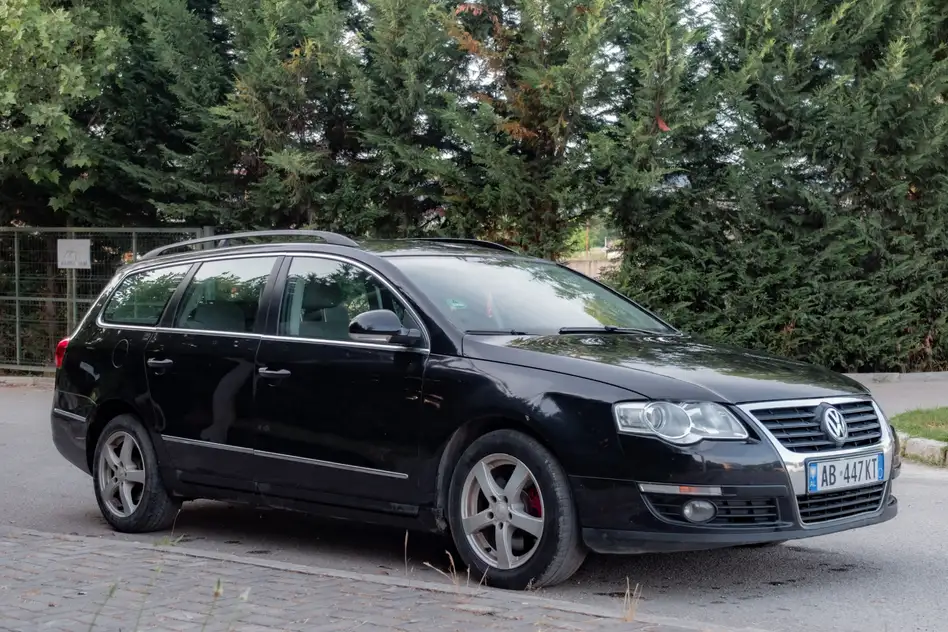
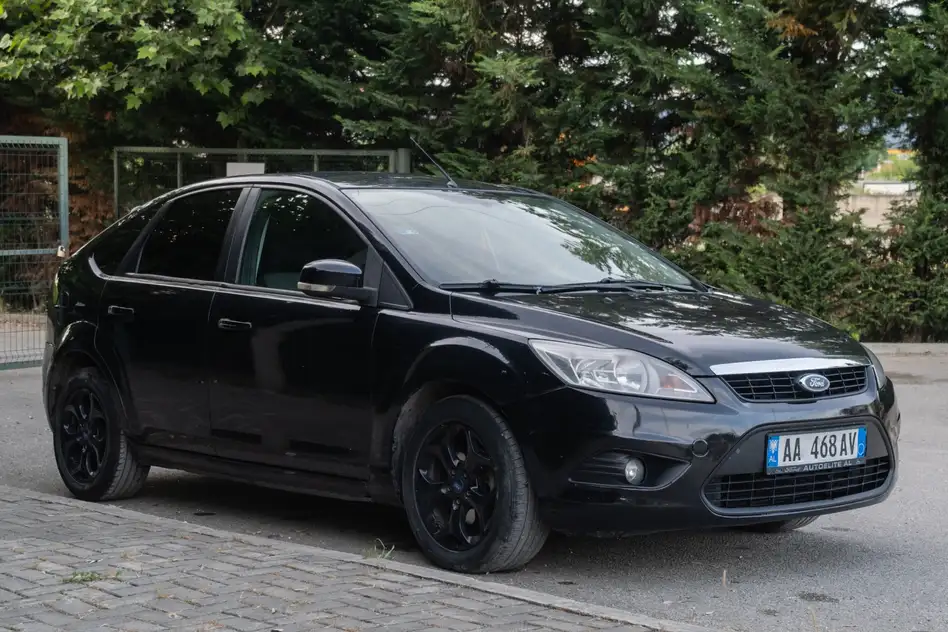
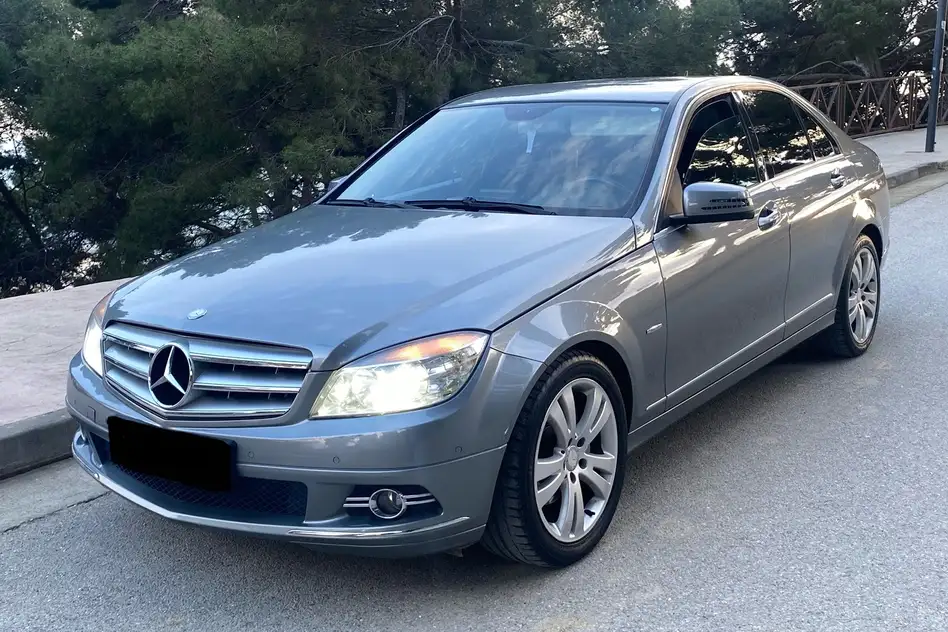
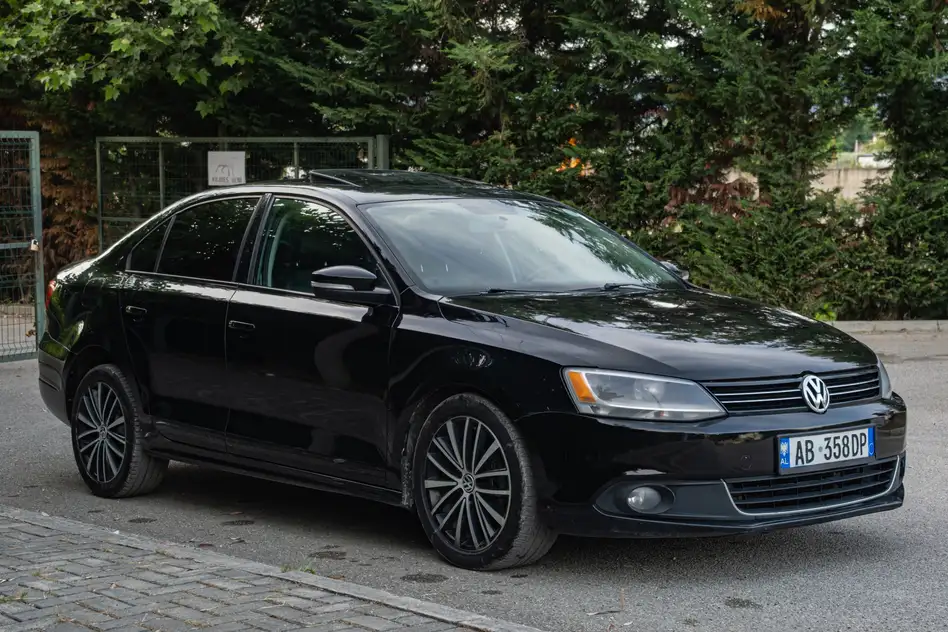
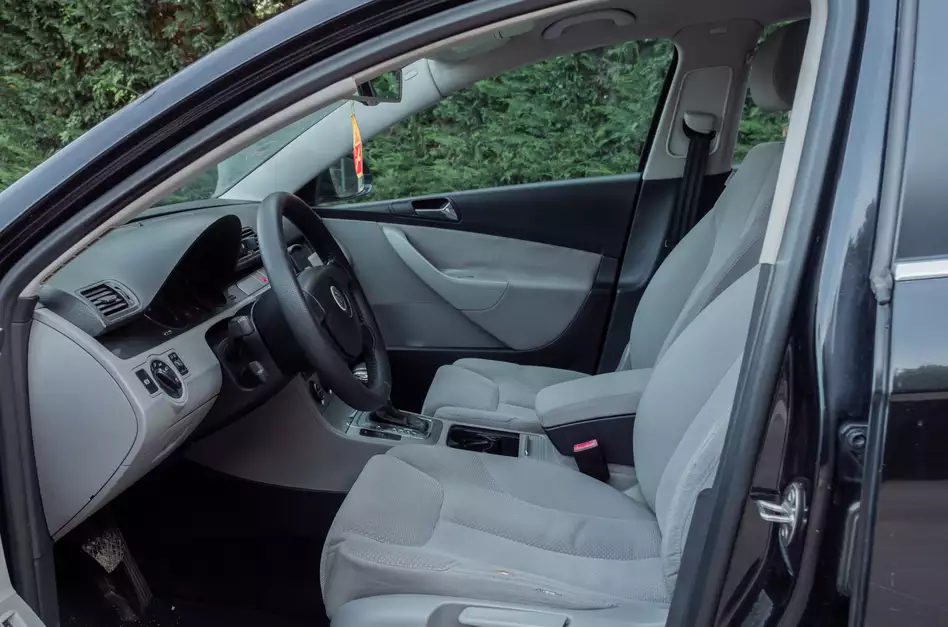
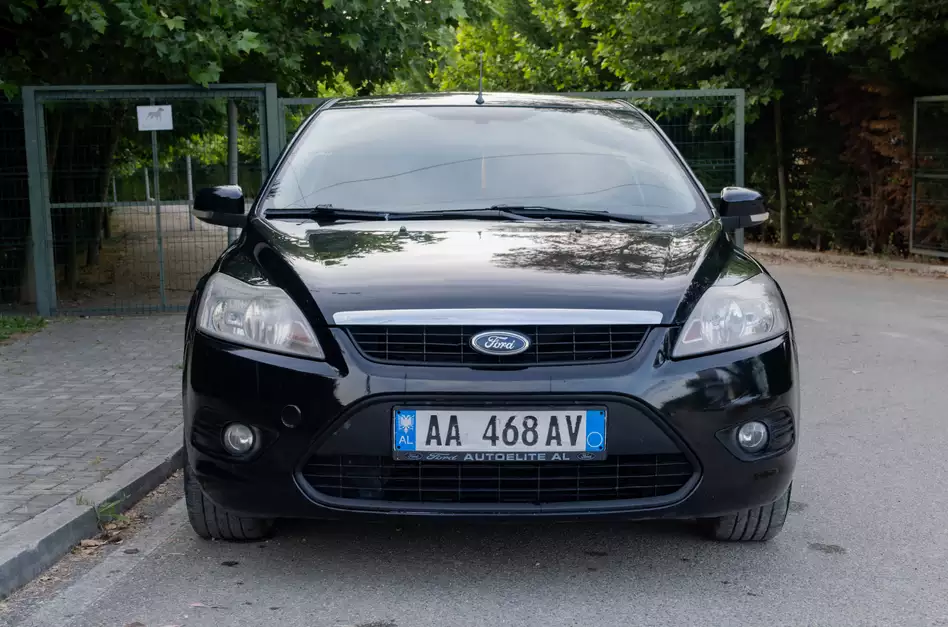
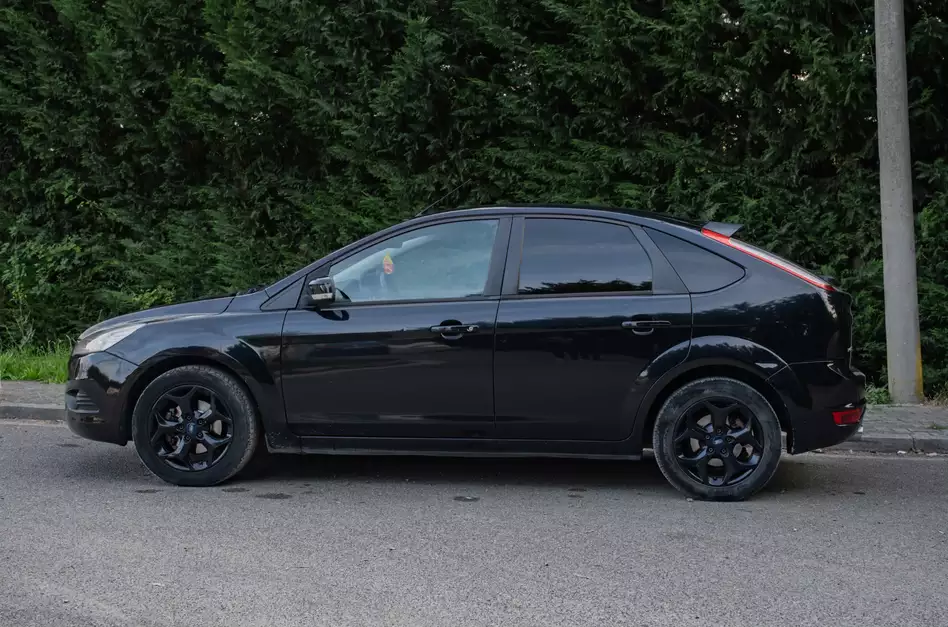
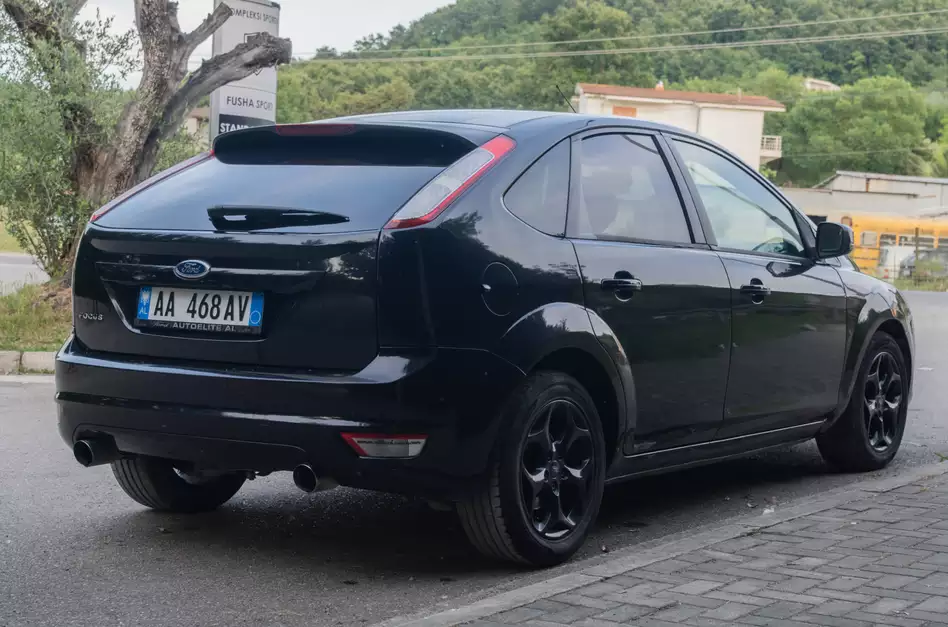
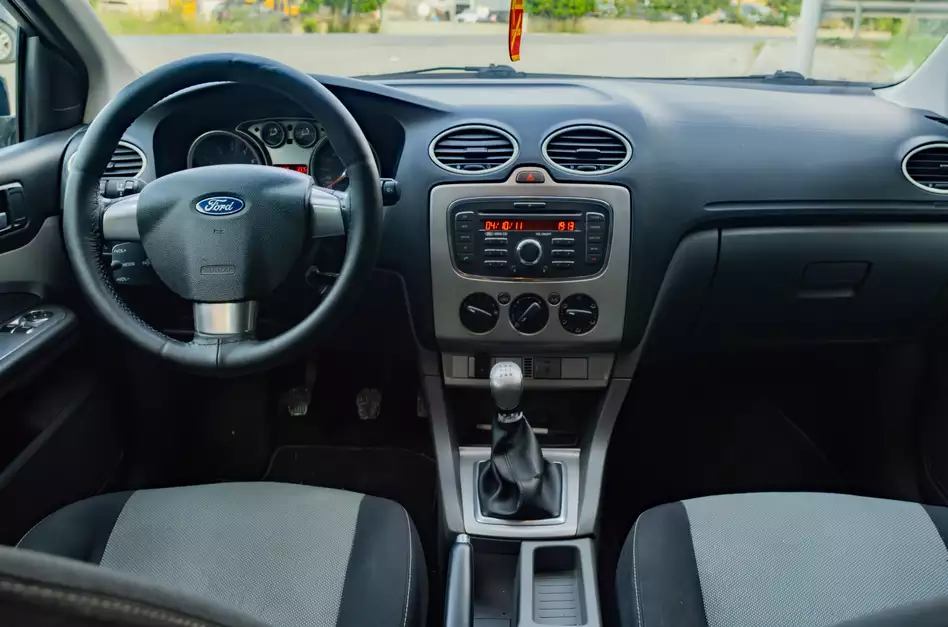
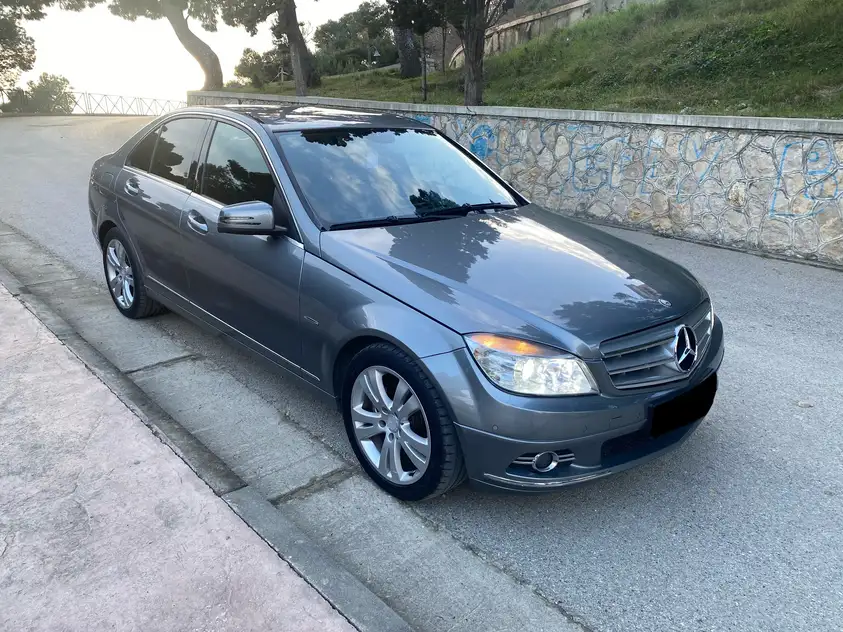
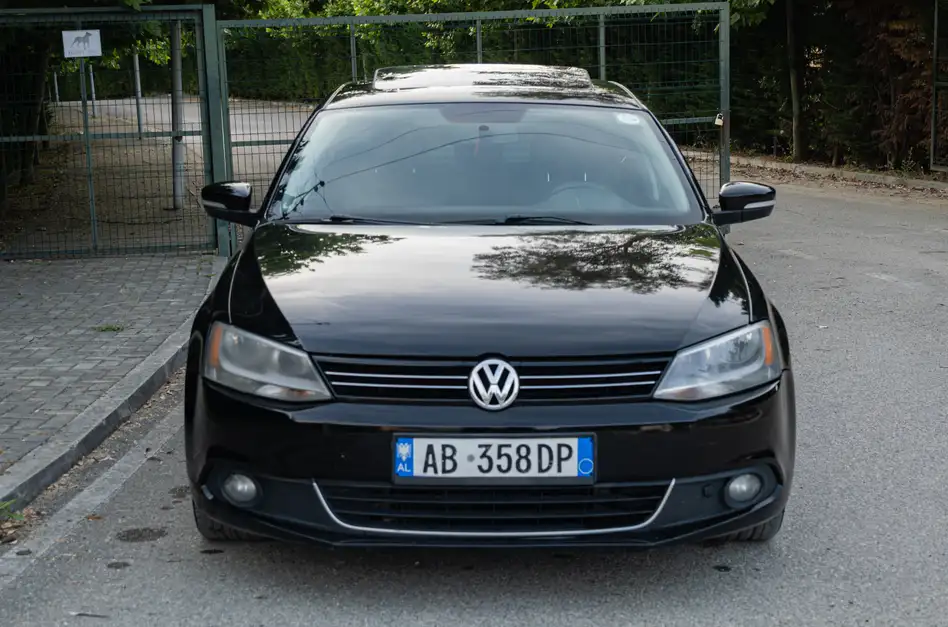
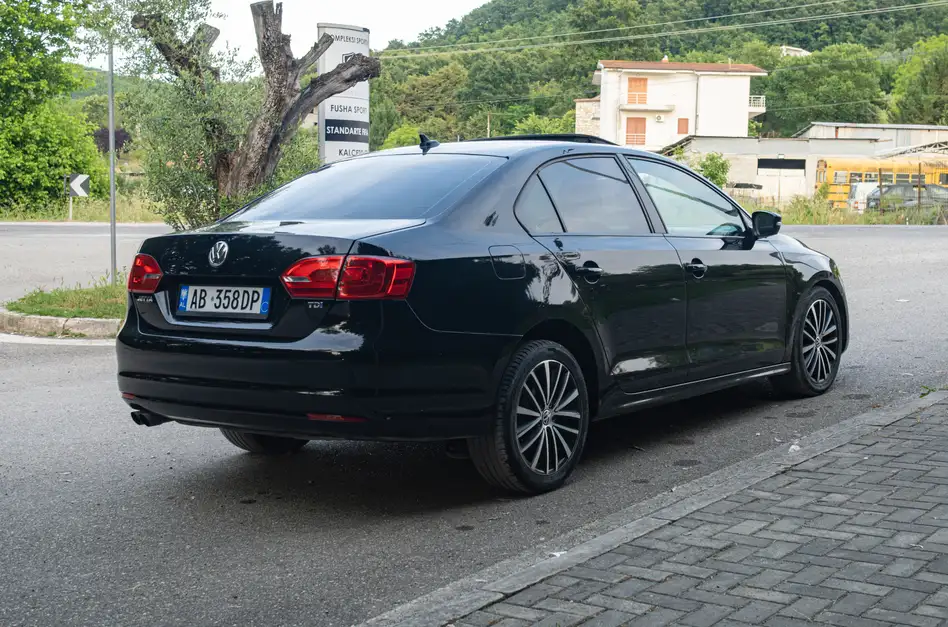
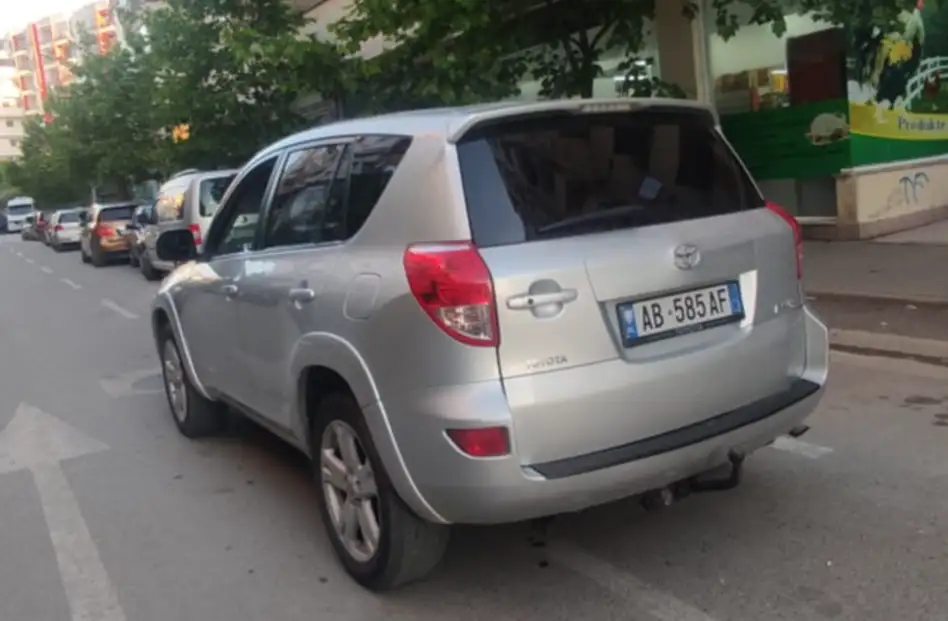
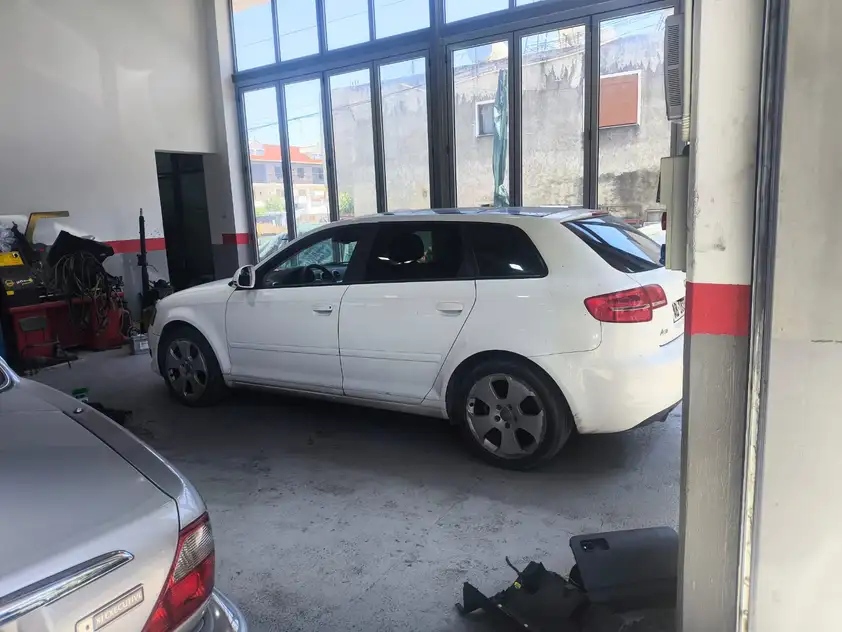
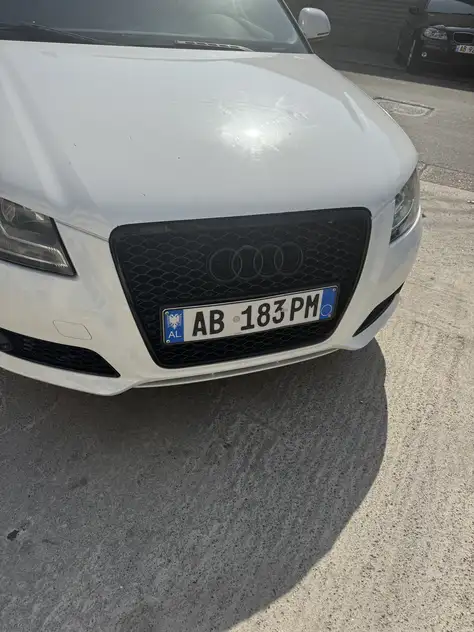
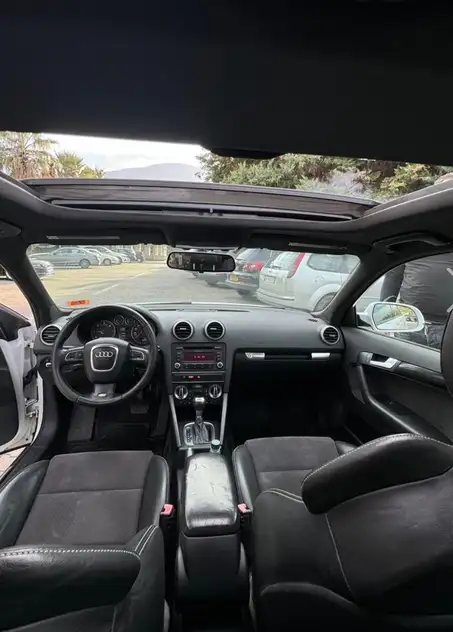
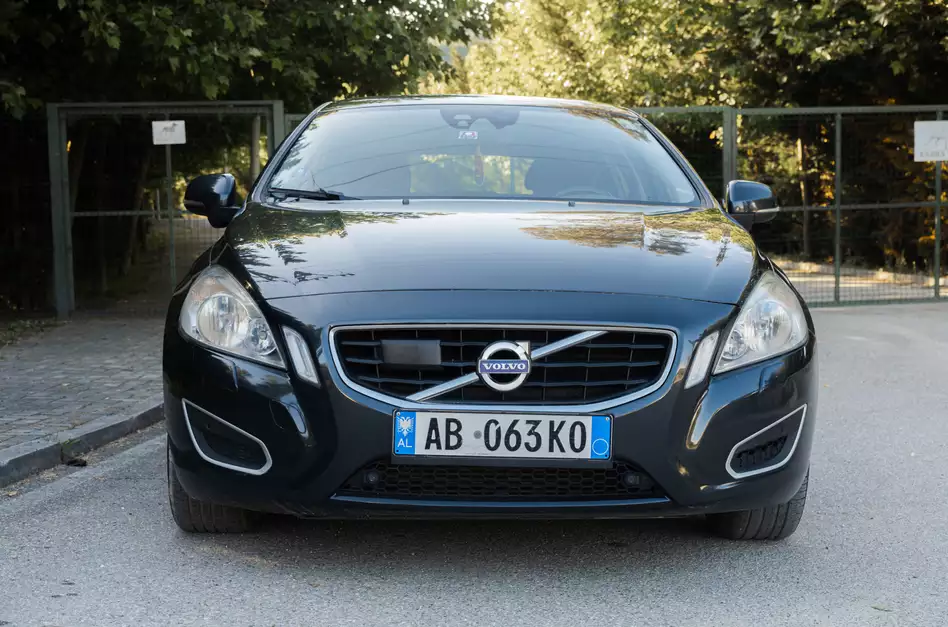
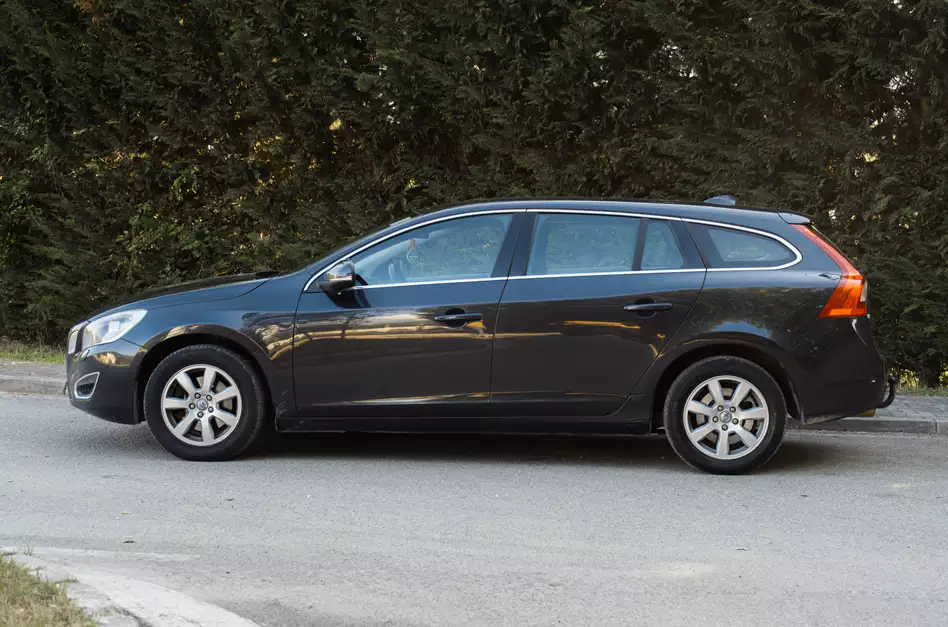
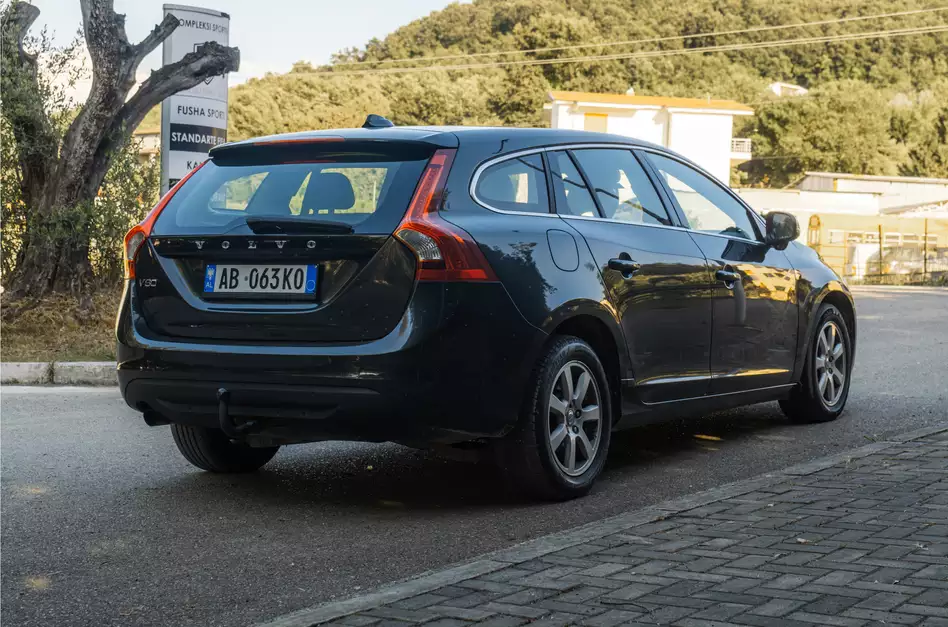
The Gramsh fleet covers the main categories a central Albania itinerary needs. Every route listed in this guide — including Holta Canyon via the Drize village approach, Belshi Lakes, and all paved road connections — is accessible in a standard economy hatchback. An SUV adds confidence on rougher surfaces and is the only category suitable for the Tomorr Mountain approach from Berat (if permitted by your supplier).
Economy Hatchback
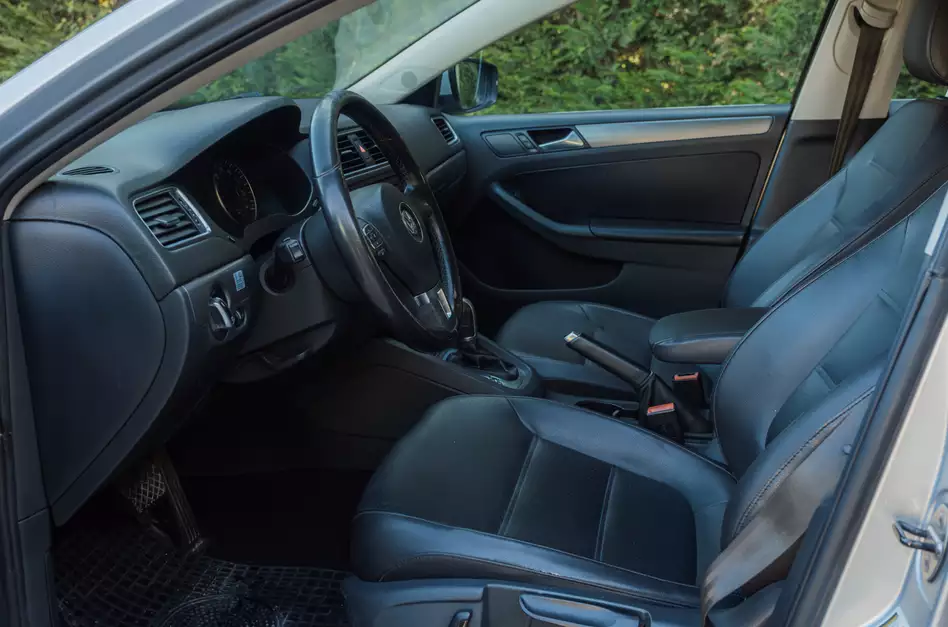
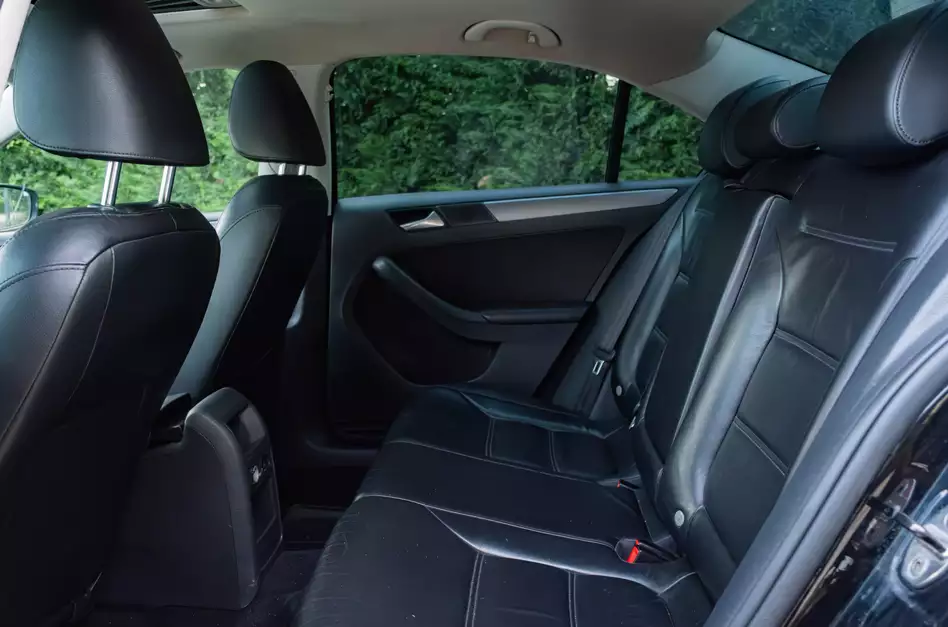
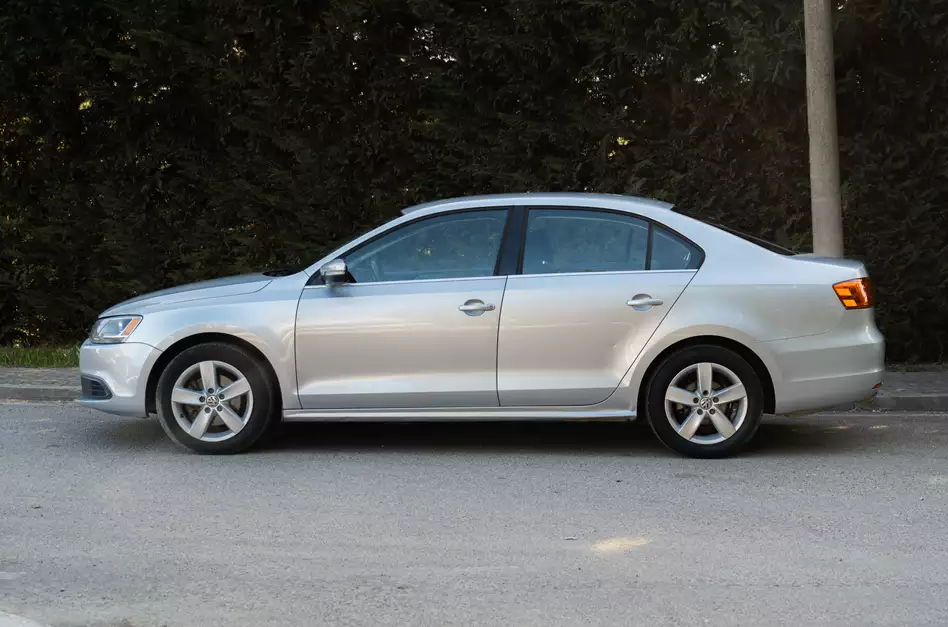
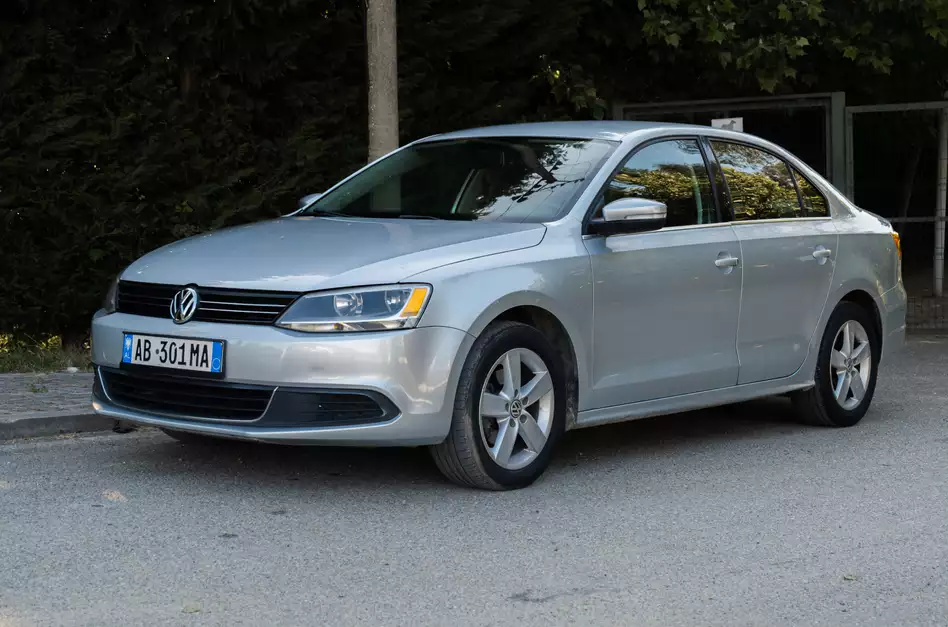
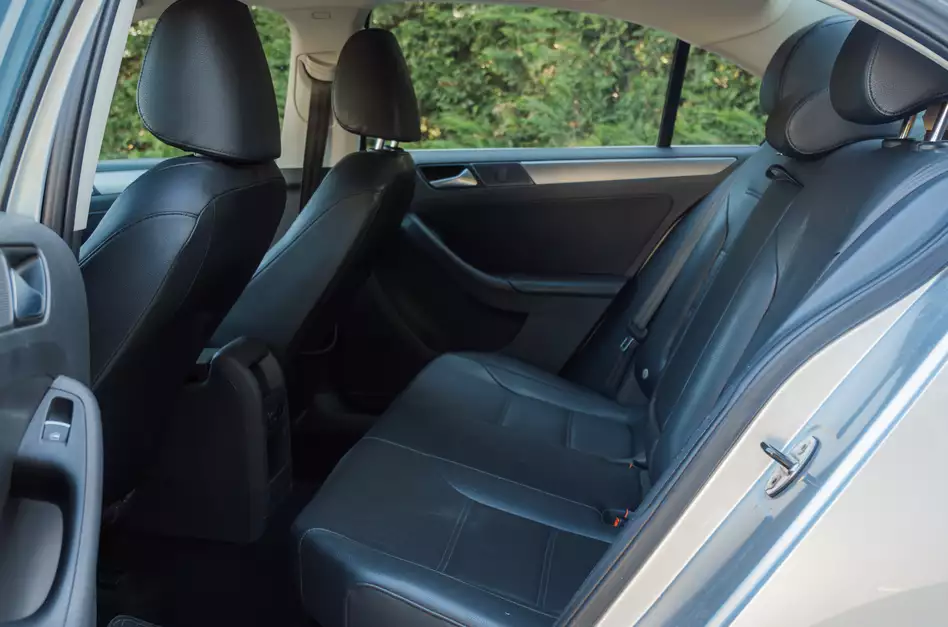
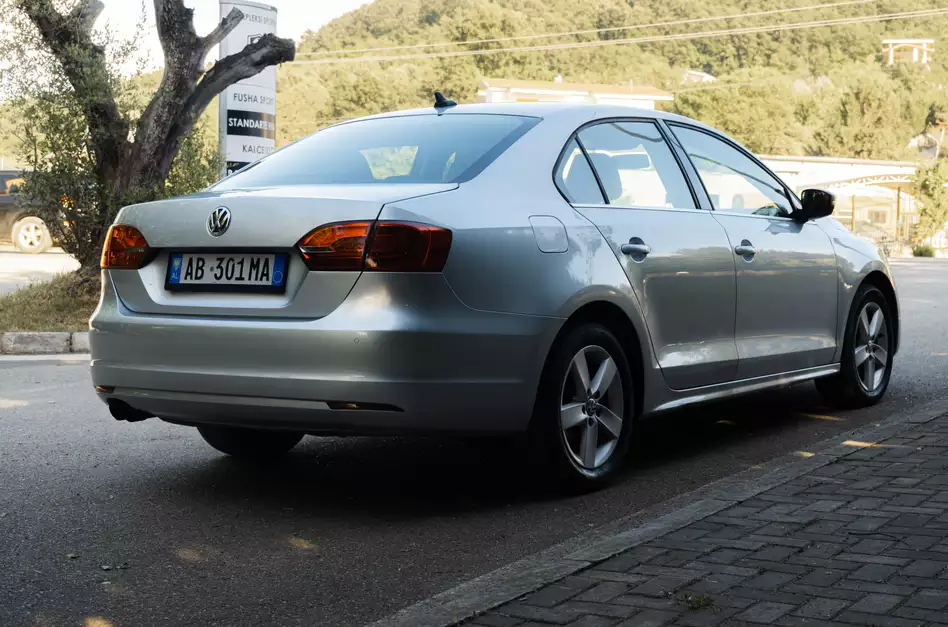
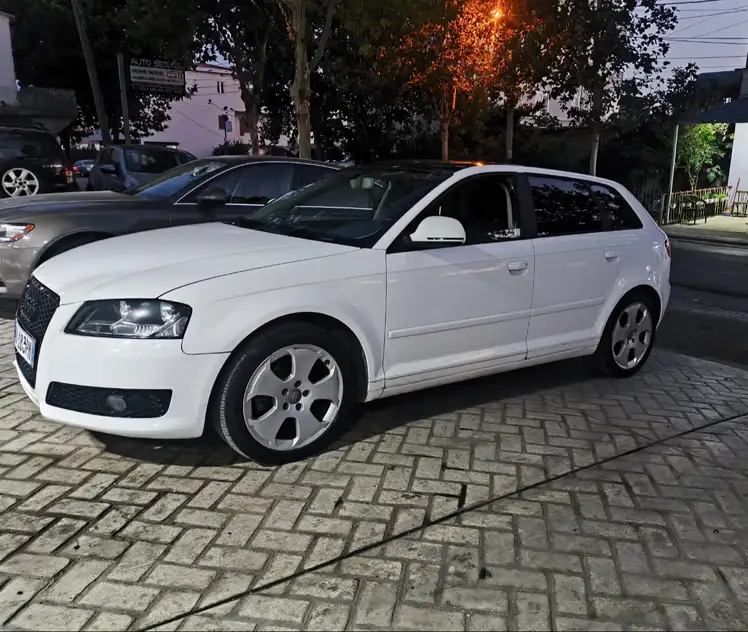
Covers every paved route and the Holta Canyon approach without issue. Fuel-efficient on mountain roads. Easy to park in Gramsh and at canyon car parks. Typical models: Seat Ibiza, VW Polo, Toyota Yaris, Opel Corsa. From €35/day. The right choice for most Gramsh itineraries — don’t pay more than you need to here.
Compact SUV
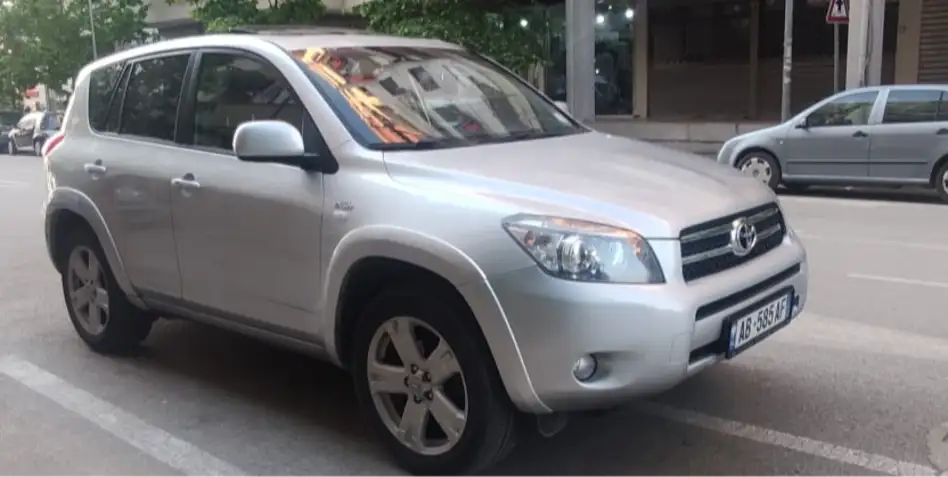
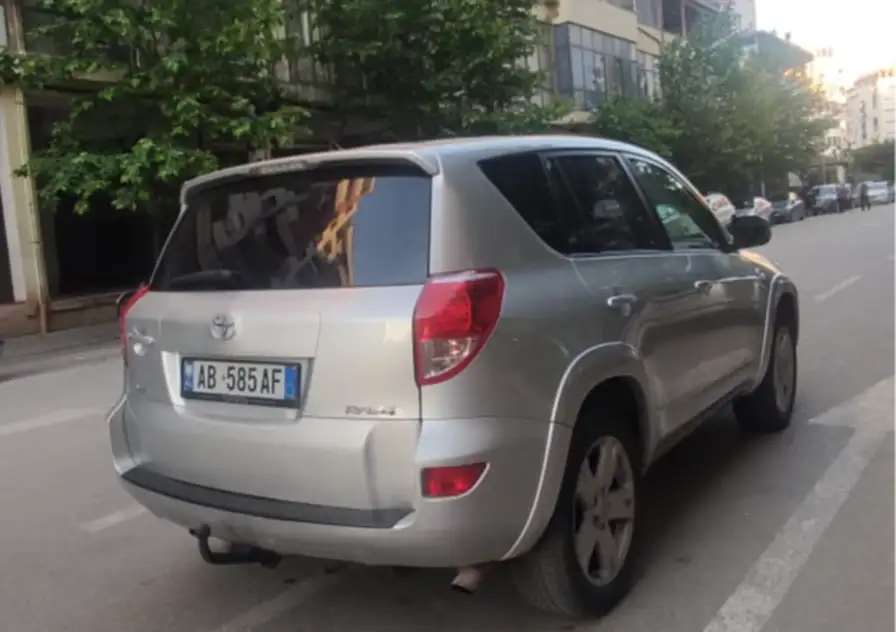
Higher ground clearance for confidence on rougher surfaces. The correct choice if your itinerary includes the Berat/Polican approach to Tomorr Mountain or if you plan to explore village tracks beyond the main tarmac routes. Typical models: Renault Captur, Seat Arona, Hyundai Tucson. From approximately €48/day.
Automatic Transmission
Available on selected models — confirm at booking as availability is limited at this location. Central Albania’s mountain sections involve frequent gear changes. An automatic reduces driver fatigue on longer drives significantly. Small daily premium applies. Book well ahead in summer — automatics are the first category to sell out.
Category
Example Models
Low Season
High Season
Best For
Economy / Mini
VW Polo, Toyota Aygo, Opel Corsa
From €35/day
From €44/day
Most Gramsh routes
Compact Hatchback
Seat Ibiza, Renault Clio, Toyota Yaris
From €38/day
From €48/day
2–3 people + luggage
Compact SUV
Renault Captur, Seat Arona, Hyundai Tucson
From €48/day
From €62/day
Tomorr (Berat approach)
Automatic (any class)
Toyota Corolla Auto, VW Golf Auto
From €44/day
From €56/day
Comfort / Long drives
*Rates are indicative. Book 2–3 weeks ahead in summer. All prices include basic CDW insurance. Full zero-excess cover is available as an upgrade and is recommended for Albanian road conditions.
When to Visit Gramsh — Seasonal Guide for Hire Car Travellers
Central Albania has a continental climate: hot, dry summers; mild springs and autumns; cold winters with occasional snowfall at altitude. Each season changes the experience of driving and visiting the region’s attractions significantly. Here’s what each season means for car hire in Gramsh and the surrounding region:
Spring
March – May
From €35/day
Roads clear. Wildflowers around Belshi Lakes are spectacular (April–May). Holta Canyon water levels can be high — check before canyon walking. Best for driving scenery and photography. Lightest tourist traffic. Green hills at their most intense.
Summer
June – August
From €44/day
Peak season. Holta Canyon swimming at its best. Belshi Lakes warm enough for extended swimming. Highest demand — book 3+ weeks ahead. August brings the Tomorr Mountain festival. Carry extra water; temperatures regularly reach 35°C.
Autumn
September – October
From €38/day
Best overall driving season. Cooler temperatures, good road conditions, reduced crowds. Canyon walking excellent in September. Tomorr Mountain approach open until October. Mountain foliage colour in late October is exceptional — arguably the finest driving month.
Winter
November – February
From €35/day
Lowest prices and near-zero crowds. Canyon and lake roads accessible in a standard car at valley level. Mountain passes above 1,000m can carry snow and ice — drive with caution. Tomorr Mountain roads closed. Best for those wanting the region entirely to themselves.
Month-by-Month Quick Reference
Month
Holta Canyon
Belshi Lakes
Tomorr (Berat)
Crowds
January–February
Accessible, no swimming
Accessible, cold
Closed
Minimal
March–April
High water — check first
Wildflowers, cool
Closed
Low
May
Check water level
Good for hiking
Usually closed
Low
June
Best season opens
Swimming begins
Opens June
Moderate
July–August
Peak swimming
Warmest water
Open / festival
High
September
Excellent
Still warm
Open
Low-moderate
October
Good, cooler water
Scenic, cool
Closing soon
Low
November–December
Accessible, no swimming
Quiet, scenic
Closed
Minimal
Collecting Your Hire Car in Gramsh — Pickup Options
Gramsh doesn’t have its own airport. The pickup options reflect that — either the car comes to you in Gramsh, or you collect from a larger city and drive in. Here are the four practical approaches:
1
City delivery to your accommodation in Gramsh
The most convenient option. The supplier brings the vehicle to your hotel or guesthouse address in Gramsh at the agreed time. Paperwork is completed on-site. Particularly useful if you’re arriving by bus from Tirana or Elbasan with luggage — no need to navigate to a depot on arrival day. Confirm your exact address and a contact phone number when booking; these are required for smooth delivery.
2
Rent from Tirana Airport, drive to Gramsh
If you’re flying into Albania, renting from Tirana Airport or Rinas Airport and driving directly to Gramsh (85km, ~1hr 20min on A3/SH1) gives you a larger fleet to choose from and seamless arrival. You can route via Holta Canyon on the same drive if your flight lands by mid-morning and timing allows.
3
One-way: collect in Gramsh, drop in Berat or Tirana
If your itinerary continues south, a one-way car rental from Gramsh to Berat (65km, ~1hr 10min) or back to Tirana (85km, ~1hr 20min) is a standard request. A one-way drop fee applies — confirm the amount at booking. Gramsh to Berat is the more commonly requested direction for those continuing the classic southern Albania circuit.
4
Vehicle inspection before you drive away
Photograph every exterior panel, the windscreen, all four tyres, and the interior before accepting the keys. Walk the full perimeter including the roof if reachable. Confirm every existing mark is on the condition report and signed by the supplier representative. Keep the photos until you receive written confirmation of a clean return. This takes 10 minutes and removes all ambiguity if a damage query arises later.
Driving in Central Albania from Gramsh — Practical Information
Albania’s road network in this region spans everything from new dual carriageway to potholed village approaches. Here is honest guidance on what to expect for each category of drive from Gramsh:
Main road conditions (A3/SH1, SH4, SH3)
The major arterial roads — A3/SH1 toward Tirana, SH4 toward Berat, SH3 toward Elbasan and Librazhd — are good modern tarmac in reasonable condition. The new bypass roads via Banja Lake are excellent. You’ll encounter occasional rough patches, road works, and unmarked speed bumps near villages. Drive at the speed limit or below and you’ll have no issues.
Village and secondary road conditions
Secondary roads to villages, canyon approaches, and reservoir access points vary considerably. Some are good gravel; others have significant potholes. The 1km through Drize village toward Holta Canyon is the most relevant example: potholed but manageable at 20–30km/h. Google Maps and Maps.me sometimes route you onto tracks that look like roads on satellite view but aren’t driveable in a standard car — when in doubt, ask at your accommodation before departing on an unfamiliar secondary route.
Speed limits and police
Urban areas: 40km/h. Open roads: 80km/h. New motorway sections (A3/SH1): 110km/h. Speed cameras are active on the A3/SH1 between Tirana and the Elbasan area — fixed positions but not all marked. Traffic police conduct roadside document checks near town entries. Carry your driving licence, vehicle registration document, insurance certificate, and passport at all times.
Night driving
Roads outside Gramsh town limits are unlit. Cattle, horses, and sheep on roads at night are a genuine hazard across rural central Albania. Reduce speed substantially after dark. If your Holta Canyon or Belshi day trip runs late, factor extra time and reduced speed for the return. The A3/SH1 has lighting through larger towns but the rural stretches between them are completely dark.
Fuel in and around Gramsh
Petrol stations are on the main road through Gramsh town centre. Fill up in Gramsh before heading to Holta Canyon or Belshi — stations are sparse on both routes. Confirm petrol (benzinë) or diesel (naftë) at vehicle collection. Albania’s fuel prices are slightly below EU averages. Weekly price variation is common; check at the pump rather than relying on a figure from before your trip.
Navigation and mobile signal
Google Maps is reliable on all main routes. Maps.me (downloadable offline) is more accurate for rural village roads and canyon approaches. Download offline maps for the Gramsh/Elbasan region before leaving your accommodation — signal inside Holta Canyon is zero, and the Drize village approach can have patchy coverage. The junction sign for Kanioni i Holtës is present but requires attention at normal driving speed.
Alcohol and driving
Albania’s legal blood alcohol limit is 0.1% — slightly higher than many Western European countries but still strictly enforced. If you’ve had wine at dinner, wait or don’t drive. Traffic police conduct breath tests, particularly near restaurant areas in tourist towns and on the main roads at weekends. If your party wants to enjoy local wine or rakia, designate a driver before ordering.
Documents to carry
Required by Albanian law: valid driving licence (minimum 12 months held), vehicle registration document from the hire company, insurance certificate, and photo ID (passport or national ID card). UK, EU, US, Canadian, Australian, and New Zealand licences are accepted directly. Licences in non-Latin scripts require a valid International Driving Permit obtained before travel.
Emergency number: 112 works throughout Albania for police, ambulance, and fire services. Save your rental company’s emergency/breakdown number separately in your phone before you depart — it’s in the document wallet that comes with the vehicle. If you break down on a rural road, activate hazard lights, place the warning triangles from the boot behind the vehicle, and call the supplier before calling a general recovery service.
Real Cost of Driving — Fuel, Tolls, and Daily Budget
One of the underrated advantages of Albania as a self-drive destination is that the total cost of a road trip is significantly lower than comparable drives in Greece, Italy, or Croatia. Understanding the actual numbers helps with trip planning and removing the uncertainty around fuel and incidentals.
Fuel Costs
Unleaded petrol (benzinë 95 octane) typically runs slightly below EU averages. Diesel (naftë) runs cheaper still. For a standard economy hatchback averaging 6–7 litres per 100km, the Gramsh–Holta Canyon–Belshi–Gramsh circuit (approximately 80km total) costs roughly €6–9 in fuel. The Gramsh–Berat return (130km) runs approximately €9–13.
Tolls
The A3/SH1 motorway between Tirana and the Elbasan turnoff has toll points. Tolls are modest by European standards — typically €0.80–€1.50 per passage for a standard car. Carry some Albanian Lek cash for toll booths, as card payment is not universally available at all barriers. The secondary roads from Gramsh (SH71 to Holta, north road to Belshi) have no tolls.
Parking
Parking is free at all of the main destinations covered in this guide — Holta Canyon, Belshi Lakes, and Banja Reservoir all have informal free parking. Gramsh town centre has free street parking. Berat’s old town area has paid parking near the castle approach — approximately €0.50–€1.00 per hour. Elbasan’s old town area has free parking on approach streets outside the fortress walls.
Estimated Daily Budget — Car Hire in Gramsh
Item
Budget
Mid-Range
Notes
Car rental (economy, low season)
€35
€44
Including basic CDW
Full insurance upgrade
€4
€8
Strongly recommended
Fuel (typical day circuit ~80–100km)
€6
€10
Varies by vehicle
Tolls (if using A3/SH1)
€1.50
€3
Cash preferred
Parking
€0
€2
Free at most sites
Total daily driving cost
~€47
~€67
Excluding accommodation/food
Car Hire Insurance in Gramsh — A Clear Breakdown
Insurance is the area where most rental car disputes originate. Understanding what you’re covered for before you collect the vehicle in Gramsh is more important here than in Western European cities — Albanian roads include more variables, and a misunderstood excess charge can be expensive. Read this section before booking.
Basic CDW (Collision Damage Waiver)
Included as standard in most Gramsh rentals. Covers accidental damage to the vehicle body in the event of a collision. Almost always includes an excess (deductible) — you pay the first portion of any repair bill, typically €500–€1,500 depending on vehicle and supplier. Tyres, windscreen, and underbody damage are usually excluded from basic CDW.
Full Insurance (Zero Excess)
Eliminates the excess entirely and extends cover to windscreen, tyres, wheels, and sometimes underbody. If any damage occurs — a stone chip on the motorway, a pothole-damaged alloy, a reversing scrape — you pay nothing. Strongly recommended for driving in Albania. The additional cost is typically €4–8/day and is worth every euro given the road surface variability.
What insurance never covers
No rental insurance covers: driving on prohibited routes (Gramsh-side Tomorr approach, any road your supplier has explicitly excluded), damage caused under the influence of alcohol, and driving outside permitted territory without written consent. These result in full financial liability regardless of which insurance tier you purchased.
Check your existing coverage: Some premium credit cards (Visa Infinite, Mastercard World Elite, certain Amex products) include rental car excess insurance. Some travel insurance policies also cover rental excess. Check your specific policy documents before your trip. If genuine zero-excess coverage exists elsewhere, you may not need to purchase it from the supplier. If any doubt remains, upgrading through Rentrals is the correct decision for Albanian road conditions.
Gramsh Town — What to Know for Your Overnight Stay
Gramsh is a functional town rather than a destination in itself, but it has enough infrastructure to support a comfortable overnight stay without any hardship. Understanding what’s available in town matters for planning — particularly around accommodation, food, and supplies for your canyon or lake day trip.
Accommodation
Gramsh has a small selection of guesthouses and small hotels concentrated around the town centre and the lower lakeside area. Standards are honest and clean rather than polished — think simple but comfortable rooms with reliable hot water. Booking through a general accommodation platform (Booking.com or similar) gives the best overview of current options. Gramsh is not oversubscribed with accommodation even in summer, but booking ahead by a few days is sensible rather than arriving without a reservation.
Food and Restaurants
The town has several restaurants serving traditional Albanian cooking — grilled meat (qebap, mish i pjekur), fresh salads with local olive oil, byrek (pastry with cheese, spinach, or meat), and tave kosi (baked lamb with yoghurt). Prices are significantly below tourist-area Albania — a full meal with drinks typically runs €5–9 per person. A few cafés near the central square serve espresso from early morning. There are no international fast-food chains.
Supplies and Shops
The town centre has a small supermarket (minikmarket), a pharmacy, and a weekly market. For supplies before a canyon trip — water, snacks, sun cream, dry bags — the supermarket stocks essentials. If you have a specific need (walking sandals, a torch, a dry bag) that you haven’t brought from home, the market day is your best chance of finding it locally. For anything specialised, bring it from Tirana or Elbasan before arriving.
Cash and Banking
Gramsh has at least one ATM in the town centre. Albanian Lek (ALL) is the only currency used in local shops, restaurants, and petrol stations — euros are not generally accepted outside Tirana and major tourist centres. Withdraw enough Lek for your stay in Gramsh before you leave Tirana or Elbasan if you want to avoid relying on the town’s single ATM. Car rental payments through Rentrals are processed in euros by card before or at collection.
The Gramsh lakeside area: The small lake south of the town centre (Liqeni i Gramshit) is an easy 20-minute walk from the main street and has a relaxed waterfront atmosphere on summer evenings. Local families walk along the lake path after dinner — it’s a pleasant end to a day that started at Holta Canyon.
Sample Itineraries Using a Gramsh Hire Car
To make the practical value of a car rental in Gramsh concrete, here are three realistic itineraries based on different trip lengths and objectives. Each is achievable in a standard economy hatchback on paved roads, with no special driving experience required.
One Day — Canyon + Lakes Circuit
8:00am: Collect vehicle or use city delivery. Drive SH71 northwest toward Drize village. 9:00am: Arrive Holta Canyon car park. 2–3 hours inside the canyon — walk, wade, explore the thermal pools and cave sections. 12:30pm: Return to Gramsh. Lunch at a local restaurant serving grilled meat and fresh salads. 2:30pm: Drive 35 minutes north to Belshi Lakes. Afternoon swimming and lakeside relaxation. 6:00pm: Return to Gramsh. Return vehicle or keep for following day.
~80km totalFull dayStandard 2WD
Two Days — Central Albania Loop
Day 1: Holta Canyon morning, Belshi Lakes afternoon, overnight in Gramsh. Day 2 morning: Drive south 65km to Berat (1hr 10min via SH4). Berat old town — Mangalem quarter, Byzantine citadel, Onufri Museum of iconography. Lunch in Berat. Day 2 afternoon: Return north to Gramsh via SH4, or continue to Tirana if flying home. Banja Reservoir stop (20min from Gramsh) on the return — good end-of-trip viewpoint before the highway.
~200km total2 daysAny standard car
Three Days — Extended East Albania
Day 1: Holta Canyon + Belshi Lakes circuit (as above). Day 2: Drive east 55km to Librazhd, then 95km to Pogradec and Lake Ohrid — turquoise water and old-town charm on the Albanian/North Macedonia border. Overnight in Pogradec. Day 3: Drive west back toward Gramsh or Elbasan, then continue to Tirana or Berat. Korçë (130km from Gramsh) is an alternative overnight — Albania’s most cultured provincial city, known for its café culture and the National Museum of Medieval Art.
~350km total3 daysAny standard car
Building Your Own Itinerary — Key Principles
A few practical rules that apply to any Gramsh-based road trip. First, cover the two free natural sites (Holta Canyon and Belshi Lakes) before committing time and fuel to longer drives — they are genuinely exceptional for zero entry cost and are right on your doorstep. Second, leave Berat for at least half a day — an hour in Berat’s old town is not enough. Third, the Tirana–Gramsh–Berat corridor is at its most rewarding when driven with at least one overnight stop in Gramsh rather than rushed as a through-drive.
For multi-day itineraries that include both Gramsh and Korçë or Pogradec, drive east first and return west — the roads are marginally better in that direction and the light on the mountains in the late afternoon coming back from the east is worth the planning.
Language, Local Customs, and Practical Tips for the Region
Gramsh and the surrounding villages see very few foreign visitors compared to Tirana, Berat, or the coast. This has practical implications for how you’ll interact with locals, navigate services, and manage expectations. A few pieces of genuine local knowledge make a difference.
Language
Albanian (shqip) is spoken in Gramsh, and English knowledge outside the main tourist cities is limited. Italian has some penetration due to Albania’s proximity to Italy and decades of Italian television. Google Translate with the camera function works well for menus and road signs. A few words of Albanian go a long way in rural areas: faleminderit (thank you), mirëmëngjesi (good morning), sa kushton (how much), ku është (where is) will all earn goodwill.
Local Customs
Albanian hospitality (besa) is genuine and deeply cultural. If a local offers coffee or food, refusing immediately can cause offence — the polite approach is to accept at least in spirit, even if you decline the substance. In rural areas, a wave or a nod to a local at the roadside costs nothing and frequently generates information or directions in return. Photography of people — particularly older women in traditional dress — should always be accompanied by a request first.
Connectivity
Mobile connectivity in Gramsh town is reliable on Albanian networks (Vodafone Albania, ALBtelecom, ONE Telecom). A local SIM card bought in Tirana is the cheapest way to stay connected throughout Albania — data is affordable and coverage on main routes is consistent. Inside Holta Canyon, signal is zero for all networks. On the secondary roads between Gramsh and Drize village, coverage can be patchy. Download everything you need — maps, offline content — before leaving your accommodation each morning.
Albanian Timekeeping
A practical note: stated opening times for restaurants, guesthouses, and petrol stations in Albania are approximate rather than guaranteed, particularly in smaller towns. A restaurant that opens at 7am may not have hot food until 8am. Petrol stations listed as 24 hours may have attendants who are not always present at 3am. Plan your fuel stops and meal stops with a buffer rather than relying on tight scheduling. This is not a problem — it is the pace of rural Albanian life, and adjusting to it is part of the experience.
Buying from locals: Near Holta Canyon and Belshi Lakes, you may find local people selling homemade raki (grape or mulberry brandy), local honey, or seasonal fruit from roadside stands. Prices are negotiated informally and are invariably fair. A small purchase — a jar of honey, a bottle of honey raki — is one of the better souvenirs of the region and directly supports the people who live along the roads you’re driving.
Frequently Asked Questions — Car Hire in Gramsh, Albania
No. The approach to Holta Canyon is fully accessible in a standard 2WD economy car. The road from Gramsh via SH71 is tarmac throughout. The 1km through Drize village has potholes — drive at 20–30km/h and any standard car clears them without issue. After the Drize junction, the new road to the canyon car park is in excellent condition. A 4×4 is only needed if you’re exploring completely unpaved tracks beyond the main canyon approach, which a standard Holta Canyon visit does not involve.
Gramsh does not have its own airport. The nearest airports are Tirana International Airport and Rinas Airport, approximately 85–90km north (about 1hr 20min drive on the A3/SH1). Car hire in Gramsh is available via city delivery to your accommodation — the supplier brings the vehicle to you. You can also rent from Tirana Airport and drive directly to Gramsh as your first stop.
No — the roads on the Gramsh side of Tomorr Mountain are explicitly prohibited under Rentrals’ supplier terms. They are unpaved, in poor condition, and driving them in a standard rental means your insurance does not apply — full damage liability falls on you. If Tomorr Mountain is your goal, the correct approach is from Berat via Polican on the paved road. This is accessible in a capable SUV during summer and autumn only, with written permission from your supplier confirmed at booking.
Drive the A3/SH1 south from Tirana toward Elbasan. Approximately 20km before Elbasan, turn off toward Gramsh — do not continue to Elbasan. Follow the new road via the Banja Reservoir to Gramsh, then take SH71 northwest toward Drize village. Turn right into Drize (potholed 1km section at 20–30km/h), then veer right at the Holta Canyon junction onto new tarmac. Total from Tirana: approximately 80km, 90 minutes. The canyon is a practical Tirana day trip.
Belshi is a small town 30km north of Gramsh surrounded by 85 natural lakes — an unusual landscape that sees almost no foreign tourists. Some lakes are large enough for clear-water swimming; others are smaller. Drive north from Gramsh on the paved road toward Belsh — approximately 35 minutes. The road is tarmac throughout and any standard rental car handles it. There are no entry fees and parking is informal near the most accessible lakes. Best combined with Holta Canyon on the same day: canyon in the morning, lakes in the afternoon.
A valid driving licence held for at least 12 months, your passport or EU national ID card, the credit or debit card in the main driver’s name, and your booking voucher. UK, EU, US, Canadian, Australian, and New Zealand licences are accepted directly by Albanian suppliers. If your licence uses a non-Latin script (Arabic, Chinese, Japanese, Korean, etc.), you need a valid International Driving Permit obtained before travel — it cannot be arranged on arrival in Albania.
For Holta Canyon and Belshi Lakes, June to September is best — water levels are manageable for canyon walking and lake swimming is enjoyable. Autumn (September–October) is the best overall driving season: cooler temperatures, good road conditions, no crowds, and the mountain landscape is at its most photogenic. Spring has excellent wildflowers but high canyon water levels. Winter is the cheapest period, with all roads accessible except mountain summit approaches above 1,200m.
Economy hatchbacks start from €35/day in low season through Rentrals at the Gramsh location. To reach the lowest rates consistently: book 2–3 weeks ahead (the fleet is small and sells out faster than larger cities), travel outside July and August, and choose the economy or compact category. Weekly rates offer a better per-day cost if your stay is 5 days or longer. Adding full zero-excess insurance is recommended for Albanian roads — typically €4–8/day extra and genuinely worthwhile.
Yes. One-way car rentals from Gramsh to Berat (~65km, ~1hr 10min via SH4 South) or to Tirana/Tirana Airport (~85km, ~1hr 20min via A3/SH1 North) are standard requests and are available through Rentrals. A one-way drop fee applies — typically €25–60 depending on destination and supplier. Confirm this figure at booking. The Gramsh-to-Berat one-way is the more popular direction for travellers continuing south on the classic Albania road trip.
In summer (June–September) under normal conditions, yes. The canyon pools are used by Albanian families and tourists throughout the summer. The main hazards are slippery rocks (wear footwear with grip — bare feet are unsafe on the wet rocky surface) and cold water shock in the alpine-fed sections. Do not attempt the canyon walk in spring when snowmelt can raise water levels rapidly. There are no lifeguards. Check with locals at the car park about current conditions if visiting in May or early June.
21 years old with most suppliers at the Gramsh location. Drivers aged 21–24 are classified as young drivers and typically pay a daily surcharge of €6–€12 on top of the standard rate. Drivers aged 25 and over pay the standard rate with no age supplement. Maximum age restrictions vary by supplier but rarely affect most travellers. Confirm the specific age terms for your chosen vehicle at booking, as they differ between operators.
Yes, the recommendation here is stronger than it would be for a Western European rental. Albanian secondary roads have more surface variability — stone chips from loose gravel, pothole impacts on alloys, dust and debris on secondary routes. Basic CDW includes an excess of €500–€1,500 that you pay upfront in the event of any damage, even minor. Full zero-excess insurance eliminates this exposure entirely for typically €4–8/day. Before purchasing, check whether your credit card or travel insurance already provides rental excess coverage — if it genuinely does, you may not need to upgrade.
You need Albanian Lek (ALL) for day-to-day spending in Gramsh and the surrounding region. Euros are accepted in Tirana and major tourist destinations but not reliably in Gramsh itself — restaurants, petrol stations, local shops, and car parks will want Lek. Withdraw Lek from an ATM in Tirana or Elbasan before arriving in Gramsh, as the town has limited ATM availability. Car rental payments through Rentrals are processed in euros by card.
Potentially yes, but only with explicit written permission from your supplier obtained at or before booking — never assume cross-border travel is permitted. Albania shares a border crossing with North Macedonia near Pogradec/Lake Ohrid, which is approximately 95km from Gramsh. If your itinerary includes crossing to Ohrid on the North Macedonia side, raise this at booking and confirm the permission in writing. A border-crossing fee and additional insurance documentation may be required. Without written permission, your insurance is void outside Albania’s borders.
Activate hazard lights immediately and place warning triangles behind the vehicle (both are legally required in Albania). Call your rental supplier’s emergency/breakdown number — this is printed on the document sheet in the vehicle’s document wallet, not just on the booking voucher, so locate it before leaving Gramsh on each day. Mobile signal near Holta Canyon is patchy and zero inside the gorge itself, so make this call from the car park area or the section of road with better coverage before the Drize village turnoff. 112 works for emergency services throughout Albania.
Gramsh is a base rather than a destination — honest in what it offers: good local food, a pleasant lakeside area, and a functioning Albanian town that hasn’t been shaped by tourism. Its value is entirely in the access it provides to Holta Canyon, Belshi Lakes, and the surrounding valleys. Travellers who spend a night in Gramsh rather than rushing through on a day trip from Tirana consistently get a better experience of central Albania — not because of Gramsh itself, but because the overnight stop unlocks a morning at the canyon before the tour groups arrive.
Book Your Car Hire in Gramsh
10+ vehicles from €35/day. No deposit options, full insurance, unlimited mileage, and city delivery to your accommodation in Gramsh. Book ahead — the fleet is small and fills in peak season.



 Gramsh’s position on the map: 85km south of Tirana (1hr 20min on A3/SH1), 40km from


 Fleet size matters here: Gramsh has significantly fewer vehicles than larger Albanian cities. During peak season (July–August), the entire fleet can be booked within days of a good weather forecast. If you’re travelling in summer, secure your vehicle well in advance — even a week’s notice can be too late in peak weeks.
 Arriving from Tirana directly (~80km, ~90 minutes): Take the A3/SH1 south toward Elbasan. Approximately 20km before Elbasan, turn off toward Gramsh — do not continue to Elbasan itself. Follow the new road via the Banja Reservoir to Gramsh, then follow the Drize/Holta directions above. If you’re renting from


 Gramsh side approach — PROHIBITED
 Berat approach via Polican — possible with conditions
 For Gramsh-based visitors: The eastern face of Tomorr is visible throughout the entire Shkumbin valley drive. The mountain views from the valley floor and from the hillside above Gramsh town are accessible without approaching any prohibited roads — and are worth a 20-minute stop on the main road. If the summit itself is your goal, plan the Berat/Polican approach as a separate itinerary originating from Berat, not from Gramsh.
 Practical tip for Elbasan: The city market (pazari) is most active Tuesday and Friday mornings. If your visit coincides with a market day, arrive before 10am to see the bazaar at its liveliest — local produce, household goods, and the kind of transaction Albania actually runs on rather than tourist-facing stalls.
 Compact SUV
 Automatic Transmission


 Main road conditions (A3/SH1, SH4, SH3)
 Village and secondary road conditions
 Speed limits and police
 Night driving
 Fuel in and around Gramsh
 Navigation and mobile signal
 Alcohol and driving
 Documents to carry
 Tolls
Tolls Parking
 Accommodation
 Food and Restaurants
 Supplies and Shops
 The Gramsh lakeside area: The small lake south of the town centre (Liqeni i Gramshit) is an easy 20-minute walk from the main street and has a relaxed waterfront atmosphere on summer evenings. Local families walk along the lake path after dinner — it’s a pleasant end to a day that started at Holta Canyon.
 Language
 Local Customs
 Connectivity
 Albanian Timekeeping