Korçë sits at 850 metres above sea level in a mountain basin in southeastern Albania, surrounded by borders with Greece and North Macedonia. It is Albania’s most culturally layered inland city — home to the country’s oldest brewery, a 19th-century national awakening heritage, a Museum of Medieval Art holding frescoes of European significance, and a Beer Festival that draws up to 100,000 people each August. Within 75 kilometres are three international border crossings, two UNESCO-level mountain villages, the Prespa Lakes basin shared with Greece and North Macedonia, and a ski resort. This guide covers every practical question about car hire in Korçë — pricing, pickup, border crossing rules, mountain driving caveats, and the seasonal reasons this city makes sense year-round.
€39
From / Day
56+
Vehicles
€0
Deposit Option
∞
Mileage
100%
Full Insurance
Why Korçë Is the Right Base for Southeastern Albania
Most Albania itineraries run north-south — Tirana to Berat to Gjirokastër to Sarandë. Korçë sits at the eastern end of a completely different axis, and it serves a different kind of traveller: the person doing a Balkans circuit, the heritage visitor, the Prespa Lakes expedition, the Beer Festival weekend, the winter break. At 850m altitude, Korçë is noticeably cooler than coastal Albania in every season — 8–12°C cooler in summer, making it genuinely pleasant when the coast is approaching 40°C. In winter it receives snow, and the ski resort at Dardha operates 20km from the city centre.
A car rental in Korçë is necessary for almost everything outside the city itself. The mountain village of Voskopojë (22km) has no reliable public bus. The Prespa Lakes (75km) have no tourist transport at all. The border crossing to Kastoria, Greece (68km via Kapshtica) requires a private vehicle unless you’re prepared to walk across. Dardha ski resort (20km) is reachable by taxi but not on any schedule that suits a skiing day. The city’s cultural sights are all walkable. Everything beyond the city requires a car.
Korçë’s position: 186km southeast of Tirana (about 2hrs 30min on improved roads), 70km from the Kapshtica/Krystallopigi border crossing to Greece, and 2 hours from Ohrid in North Macedonia. It is the only Albanian city from which you can reach three different countries within a single day’s driving — a fact that no competitor page mentions.
What’s Included with Your Korçë Car Hire
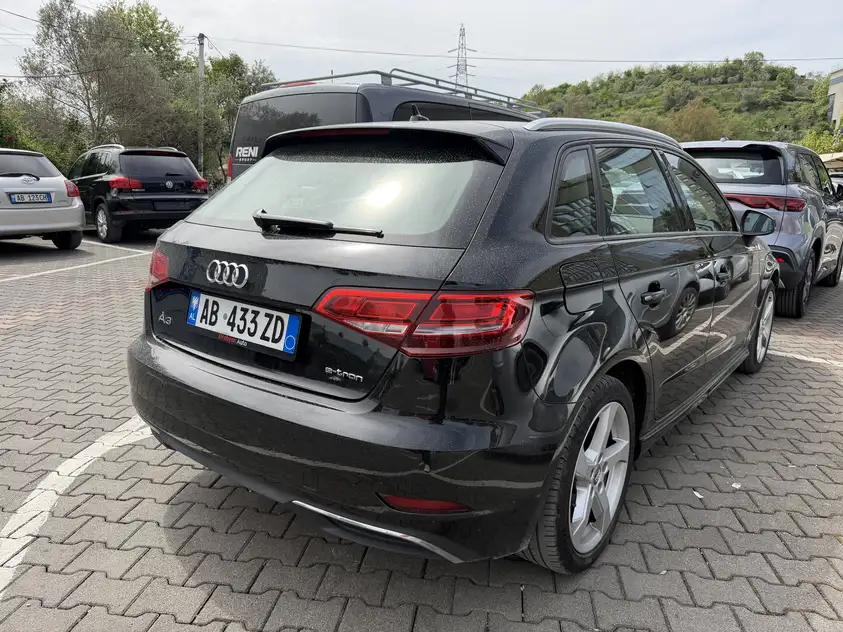
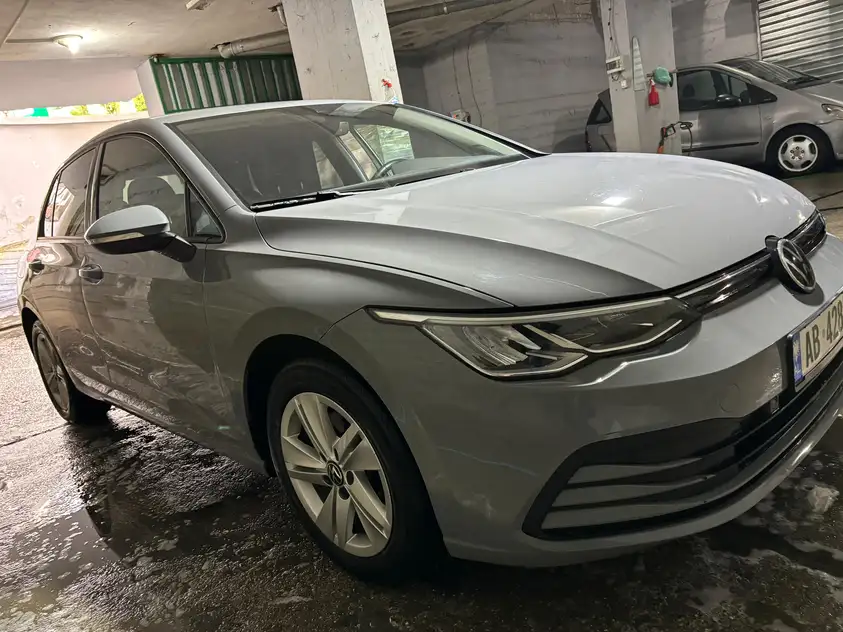
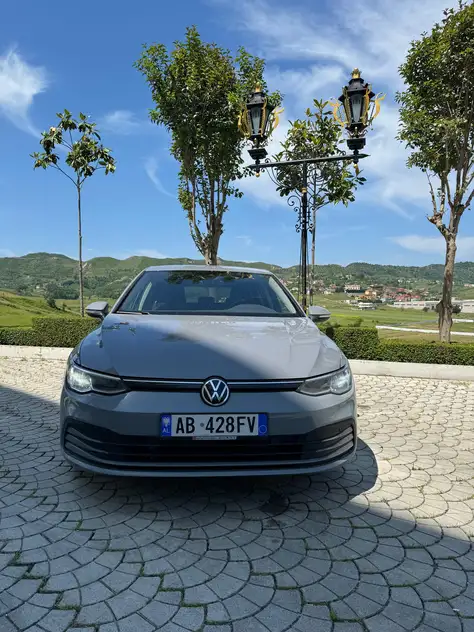
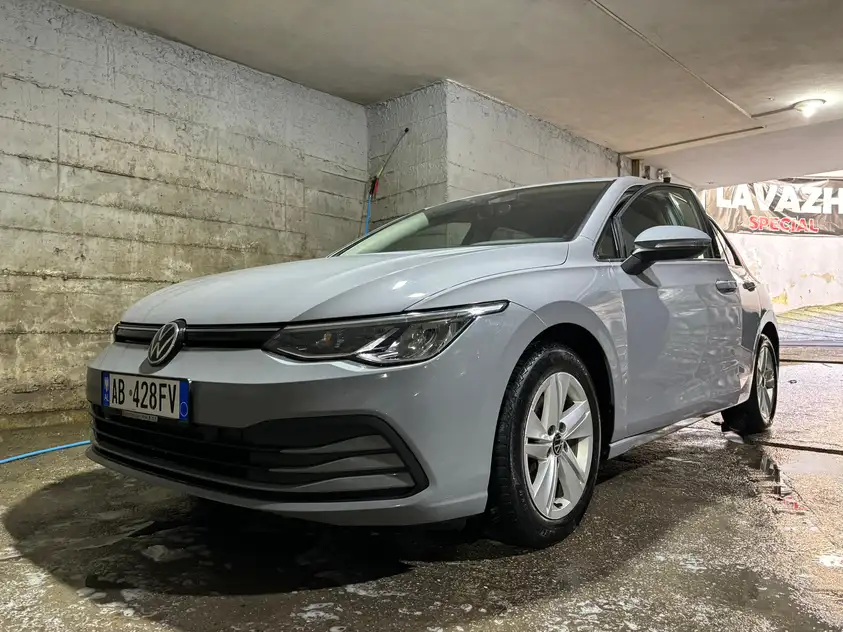
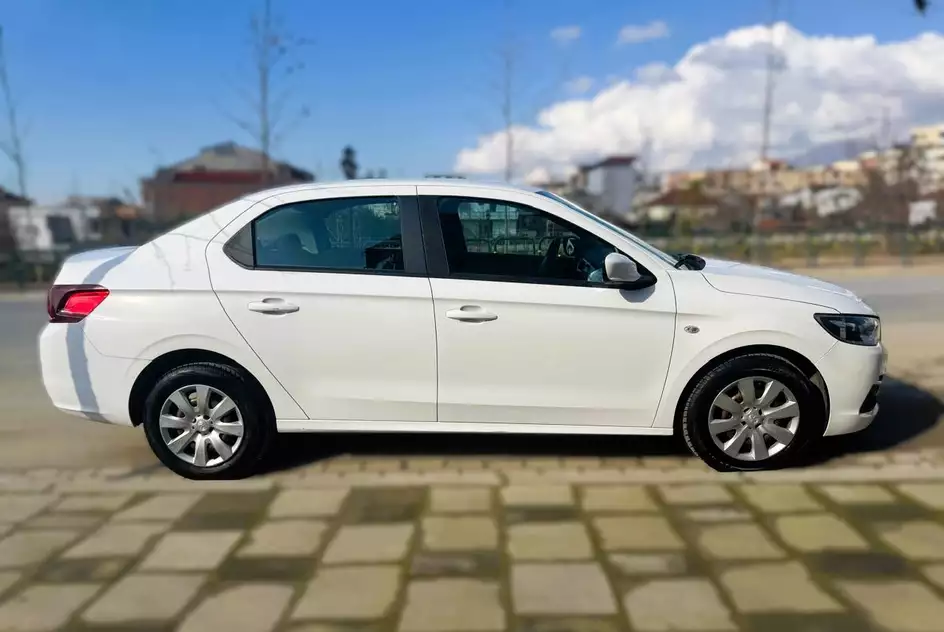
Rentrals works with vetted local and regional suppliers at the Korçë location. With 56+ vehicles available, the fleet is substantial enough to cover most categories including economy hatchbacks, compact SUVs, automatics, and larger family vehicles. Here’s what every booking through this page includes:
No Deposit
No security hold placed on your card at collection. Your available credit stays intact for the full rental period from day one.
Low Deposit Options
Smaller upfront hold in exchange for a lower daily rate. Available across economy and compact categories from €39/day.
City Delivery
Vehicle delivered directly to your hotel, guesthouse, or apartment address in Korçë. No taxi to a depot on arrival day.
Full Insurance
Comprehensive zero-excess cover — bodywork, windscreen, tyres, and theft. Complete financial protection on Korçë’s mix of urban roads and mountain approaches.
Unlimited Mileage
No kilometre caps. Drive Korçë to the Prespa Lakes to Voskopojë and back — or as far as the borders — without a distance surcharge.
56+ Vehicles
Economy hatchbacks, compact SUVs, automatics, and family cars. One of the stronger fleets in southeastern Albania. Still book 2–3 weeks ahead for Beer Festival weekends.
Border Crossings from Korçë — Greece and North Macedonia
Korçë is the only Albanian city that provides practical access to both Greece and North Macedonia within a single day’s driving. The three crossings below are the most relevant for car hire travellers. Read the cross-border rules before booking — not all rental contracts permit crossing into neighbouring countries, and the rules differ between suppliers.
Kapshtica / Krystallopigi — Greece
Distance from Korçë: 70km southwest
Drive time: approximately 1 hour on paved road
Greek side town: Krystallopigi. Kastoria: 68km south (55 min)
Connects to: Kastoria, Thessaloniki (200km), Athens motorway
Road condition: good paved road throughout — standard car handles it
Busiest period: summer weekends and Greek public holidays — allow extra time at the crossing
Confirm cross-border permission with your supplier in writing at booking
Qafë Thanë / Sveti Naum — North Macedonia
Distance from Korçë: approximately 95km north via Pogradec
Drive time: approximately 1hr 15min to the Pogradec crossing
North Macedonia side: Sveti Naum monastery (Lake Ohrid), then Ohrid town 15km north
Ohrid Airport (OHD): 35km from the crossing — practical for visitors flying into North Macedonia
Road condition: good tarmac on the Albanian side via the Lake Ohrid shore road
Korçë to Ohrid total: approximately 2 hours — a practical day trip or overnight from Korçë
Same rule applies: written supplier permission required before crossing
Cross-border car hire — confirm at booking, not at the border: Most Albanian rental suppliers restrict cross-border travel or require explicit written permission, sometimes with an additional fee of €15–40. Attempting to cross into Greece or North Macedonia in an Albanian rental car without written permission voids your insurance entirely. The border guards can and do check vehicle registration documents. Sort this at the booking stage.
Arriving from Ohrid Airport (OHD): If you’re flying into Ohrid Airport in North Macedonia and want to drive into Albania, the most practical approach is to hire a car from a local North Macedonia supplier, drive to the Albanian border, and arrange a separate Albanian rental car hire in Korçë from that point — or to rent from a supplier that explicitly permits North Macedonia–Albania cross-border travel. Confirm this in advance; it’s a route used regularly by experienced Balkans travellers.
The Prespa Lakes — 75km from Korçë by Hire Car
The Prespa basin is one of the Balkans’ most extraordinary geographical features: two connected lakes — Great Prespa and Small Prespa — shared across three countries (Albania, Greece, and North Macedonia) at 853 metres altitude. The Albanian portion contains the village of Pustec on the shores of Great Prespa, a pelican colony that is one of the largest in Europe, ancient rock carvings along the lakeshores dating to Byzantine and earlier periods, and a stillness that most of the Albanian coast simply can’t offer.
There is no tourist transport to the Prespa Lakes from Korçë. No buses, no organised day trips from the city, no hire cars waiting at the lake. A car rental in Korçë is the only practical way to reach Prespa independently. The road is approximately 75km from Korçë, roughly 1 hour 30 minutes, and is paved to the lake’s edge. A standard economy car handles the route without difficulty in spring, summer, and autumn. Winter visits are possible but the road can ice over — check conditions before departing between November and March.
Prespa route summary: Korçë → Bilisht → Prespa Lake shore (Pustec). Distance: ~75km. Drive time: ~1hr 30min. Road: paved throughout. No 4×4 required in normal conditions. Best visited May–October. The pelican colony is most visible April–July. Combine with the Kapshtica border crossing for a full southeastern circuit day.
Voskopojë — The Mountain Village with Baroque Frescoes
Voskopojë (also written Voscopoja) is a mountain village 22km southwest of Korçë that was, in the 18th century, one of the largest cities in the Balkans — a printing centre, a merchant hub, and a school of fresco painting that produced work comparable in quality to anything being made in the Orthodox world at the time. The village was repeatedly sacked and largely abandoned, but seven churches with their original interior fresco cycles survive. The Church of Saint Nicholas and the Church of the Holy Trinity contain the finest examples — figures and scenes that art historians have studied for over a century.
The road to Voskopojë from Korçë is paved and the drive takes approximately 30–35 minutes. However, this is one section where a clear warning is needed.
Voskopojë winter driving caveat: The road to Voskopojë gains significant altitude above Korçë and can carry snow and ice from late October through April — sometimes earlier or later depending on the year. A light dusting in Korçë city can mean 10–15cm of packed snow on the Voskopojë approach road. Even in shoulder seasons (October, early November, March), check weather conditions at altitude before departing. A compact SUV with winter or all-season tyres is preferable to an economy hatchback for October–April visits. In summer, any standard car handles the road without issue.
The churches require a local guide or at least advance research — several are locked outside visiting hours or require a key from the village caretaker. The frescoes are not labelled in any language. Coming prepared with background reading about the Voskopojë school of painting makes the visit significantly more rewarding. Allow 3–4 hours for a thorough visit.
Voskopojë route: Korçë → southwest on SH73 → Voskopojë. Distance: 22km. Drive time: ~35 minutes. Road: paved, but gains altitude sharply. Summer: standard car fine. October–April: SUV recommended, check weather before departing. The village has one or two basic restaurants for lunch.
Dardha Ski Resort and Korçë as a Winter Destination
Dardha is a mountain village 20km northeast of Korçë that functions as the city’s ski resort in winter. At approximately 1,400 metres altitude, it receives reliable snowfall between December and early March. The ski runs are modest by Alpine standards but well-suited to intermediate skiers and families, and the village itself has a cluster of guesthouses and restaurants that retain a genuinely local character. Dardha in winter has none of the manufactured resort atmosphere of commercial ski towns — it’s an Albanian mountain village that happens to have ski runs, which many visitors find more appealing.
Car hire in Korçë for a Dardha ski trip is strongly recommended over taxis. The taxi ride from Korçë to Dardha is roughly €15–20 each way, and the cars don’t wait. A rental car means you leave Korçë when the slopes open (not when a taxi appears), you can stop at the local baker in Dardha village on the way up, and you drive back after a proper mountain dinner rather than cutting the evening short for the last taxi.
The road to Dardha is paved but steep and exposed to snow. Between December and March, a compact SUV with appropriate tyres is the correct choice. Confirm with your Rentrals supplier that your rental vehicle has winter or all-season tyres fitted before accepting the keys for a winter Dardha trip. Some suppliers carry snow chains as optional equipment — ask about this at booking.
Korçë in winter — what to expect
Korçë has Albania’s most developed winter tourism culture. The city’s Christmas market — smaller than the famous version but genuine — runs across the central Sheshi Gjergj Kastrioti square in late November and December. The brewery’s winter beers are produced in small batches and sold only in the city during this period. Temperatures drop to -5°C to -8°C at night in January and February. The roads in the city itself are gritted and maintained. The altitude means Korçë experiences a proper winter in a country where most of the coast sees barely any cold at all.
⛷️ Dardha route summary: Korçë → northeast on SH73 → Dardha village. Distance: 20km. Drive time: ~25 minutes in clear conditions. Winter road: paved, steep sections, snow-covered November–March. Vehicle: compact SUV with winter tyres recommended December–February. Confirm tyre specification with supplier before departing in cold months.
The Korçë Beer Festival — Planning Your Visit by Hire Car
The Korca Beer Festival runs for four days in the second week of August and draws between 70,000 and 100,000 visitors over the weekend — a number that dwarfs Korçë’s permanent population of roughly 50,000. It takes place in the city’s main promenade and amphitheatre area, with the Korça Brewery (founded in 1928, Albania’s oldest) as the centrepiece alongside international and craft beer producers. The festival is a genuine local institution, not a manufactured tourism event — the Albanian families who return every year from Tirana, Durrës, and abroad for Beer Fest weekend make that clear.
Booking and logistics for Beer Festival visitors
Book accommodation 3–4 weeks ahead minimum. Hotels and guesthouses in Korçë city fill completely for Beer Festival weekend. Overflow accommodation extends to Pogradec (45km) and even Elbasan (95km) in peak years. If you’re arriving by car, staying outside Korçë and driving in for the evenings is a practical alternative.
Rental car availability: The 56+ vehicle fleet in Korçë is under pressure during Beer Festival weekend. Book your car hire in Korçë at least 3 weeks ahead for the August festival period. Economy categories sell out first; compact and SUV categories have more availability.
Parking strategy: Central Korçë parking fills by early afternoon on festival days. The outer ring roads and residential areas around the Kala neighbourhood have street parking that fills later. Your guesthouse or hotel will know the current closest reliable parking to the festival site — ask on check-in.
Festival + road trip combination: The Beer Festival makes a natural anchor for a southeastern Albania road trip. Arrive by car from Tirana (2hrs 30min), spend 2 nights at the festival, then drive south to Gjirokastër (3hrs) or west to Berat (2hrs) for the remainder of your trip. A one-way rental car from Korçë to Tirana or Berat at the end of the festival is a standard request.
Designated driver: The Beer Festival is exactly the situation that requires a clear driving arrangement before the evening starts. If you’re driving, decide before you arrive. Alcohol enforcement in Albania is active and the festival brings additional traffic police presence to the Korçë approaches.
Korçë’s Cultural Sights — What a Hire Car Unlocks Beyond the City
The city centre sights are entirely walkable: the Old Bazaar (Çarshia e Vjetër), the Museum of Medieval Art on Rruga Mujo Ulqinaku, the Korça Cathedral (rebuilt 1995 on the site of the 1916 original), and the brewery. These require a full day on foot and are accessible without a car.
A car rental in Korçë extends your reach to sites that no walking tour or city bus touches:
Voskopojë Fresco Churches
Seven 18th-century churches with original fresco cycles from the Voskopojë school of painting. The Church of Saint Nicholas and Church of the Holy Trinity are the most significant. Plan for 3–4 hours. Visit in summer or early autumn to avoid the mountain road snow risk.
22km~35 minPaved, altitude caution in winter
Dardha Mountain Village
Traditional Albanian mountain village at 1,400m with ski slopes in winter and hiking trails in summer. Stone houses, a central fountain square, and a handful of guesthouses serving local food. Worth a visit in any season — summer hiking and winter skiing both make this a practical day trip from Korçë.
20km~25 minPaved, winter SUV recommended
Prespa Lakes
Three-country lake basin at 853m altitude. Albanian portion has pelican colonies, Byzantine rock carvings, and the village of Pustec. No tourist transport exists — a hire car from Korçë is the only practical way to reach it independently. Best visited May–October.
75km~1hr 30minPaved throughout
Lake Ohrid (North Macedonia)
UNESCO World Heritage lake with 3,000-year-old water and exceptional clarity. Ohrid town has Byzantine churches, an ancient theatre, and a well-developed restaurant scene. 2 hours from Korçë via Pogradec and the Qafë Thanë crossing. Confirm cross-border permission at booking.
~125km~2hrsBorder permission required
Kastoria, Greece
Greek city famous for its Byzantine churches and lakeside setting, 68km from the Kapshtica crossing. A practical day trip for travellers with cross-border permission. Kastoria has its own airport with some regional Greek flights if you’re connecting onward into Greece.
~138km via Kapshtica~1hr 45minBorder permission required
Mali i Thatë (Dry Mountain)
The mountain range that forms Korçë’s eastern and southeastern backdrop, rising above 2,000m. Several villages along the approaches to Mali i Thatë are accessible by standard car on paved roads. The higher tracks require an SUV. Worth exploring for half a day on the way to or from the Prespa Lakes.
15–40km~20–50 minVaries by route
Vehicles and Pricing for Korçë Car Hire
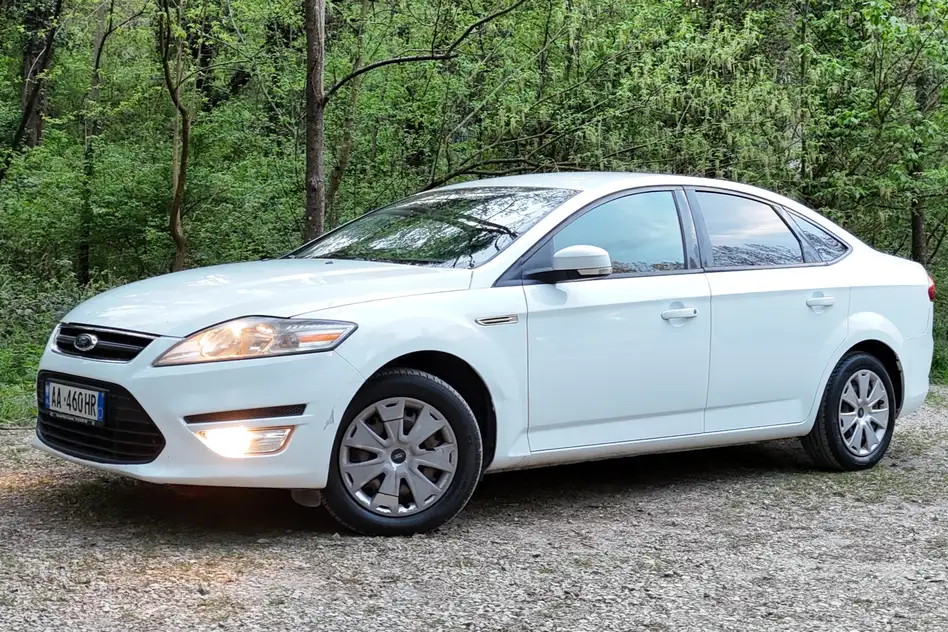
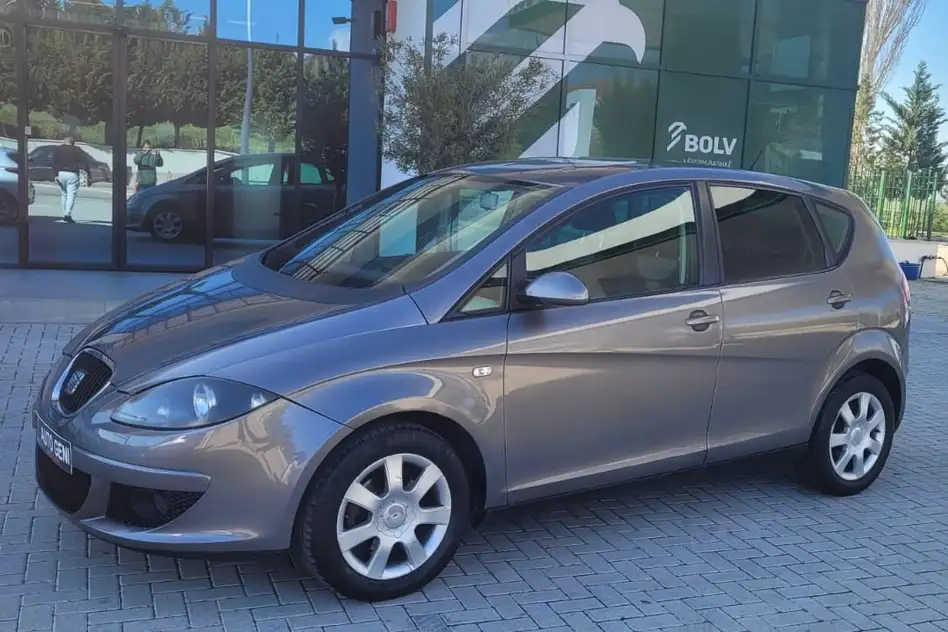
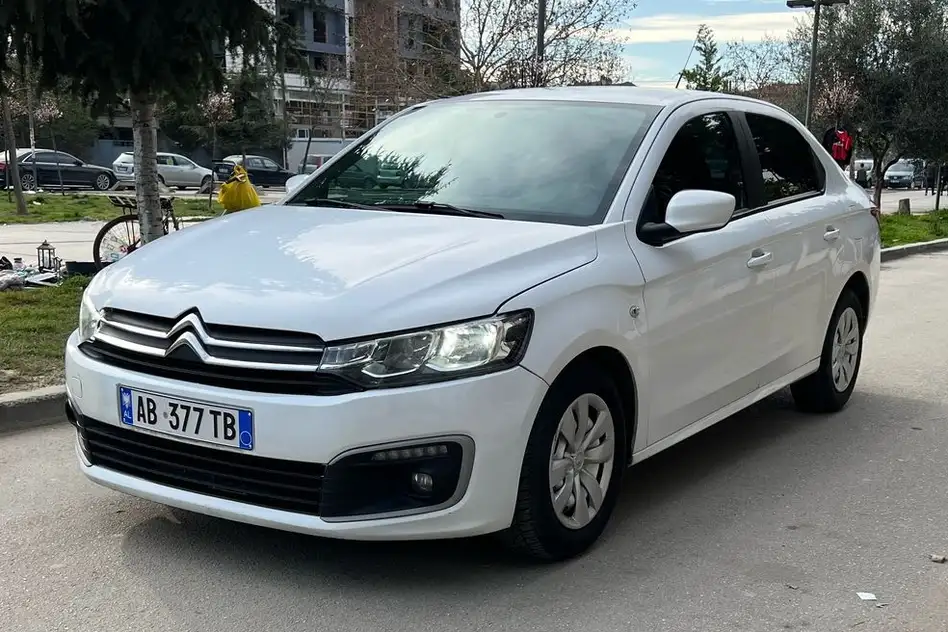
Korçë’s 56+ vehicle fleet covers the full range needed for southeastern Albania’s diverse terrain. Here is a practical guide to which vehicle category suits which itinerary:
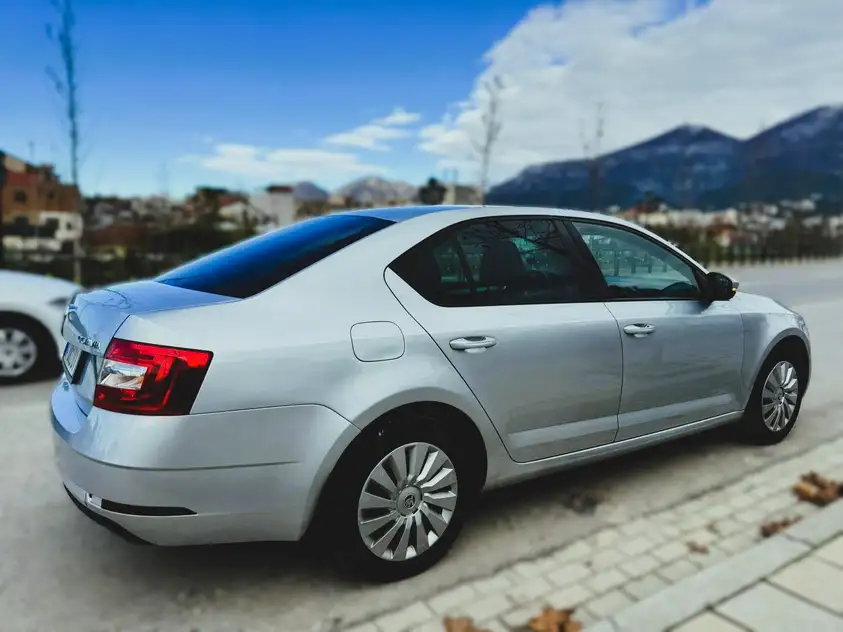
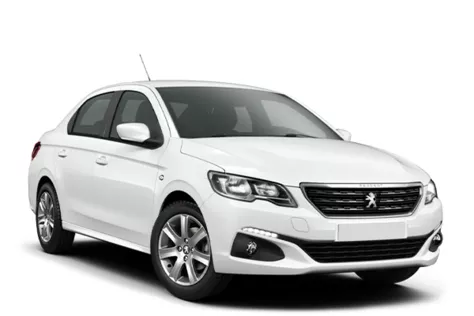
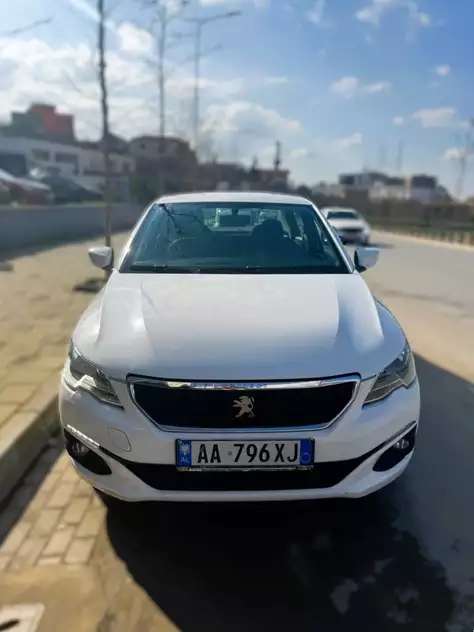
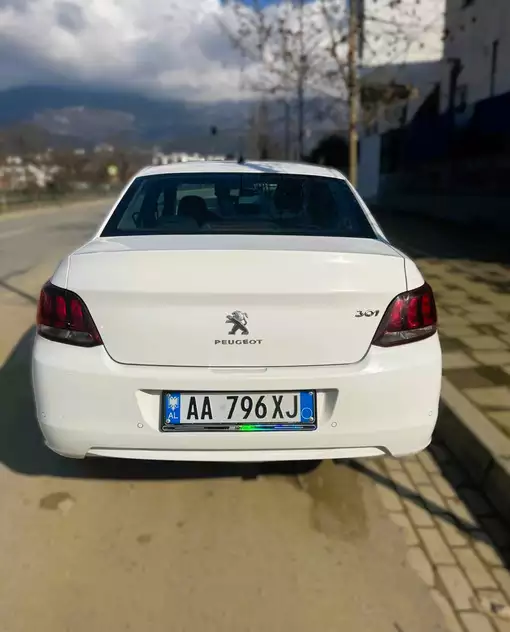
Economy Hatchback — From €39/day
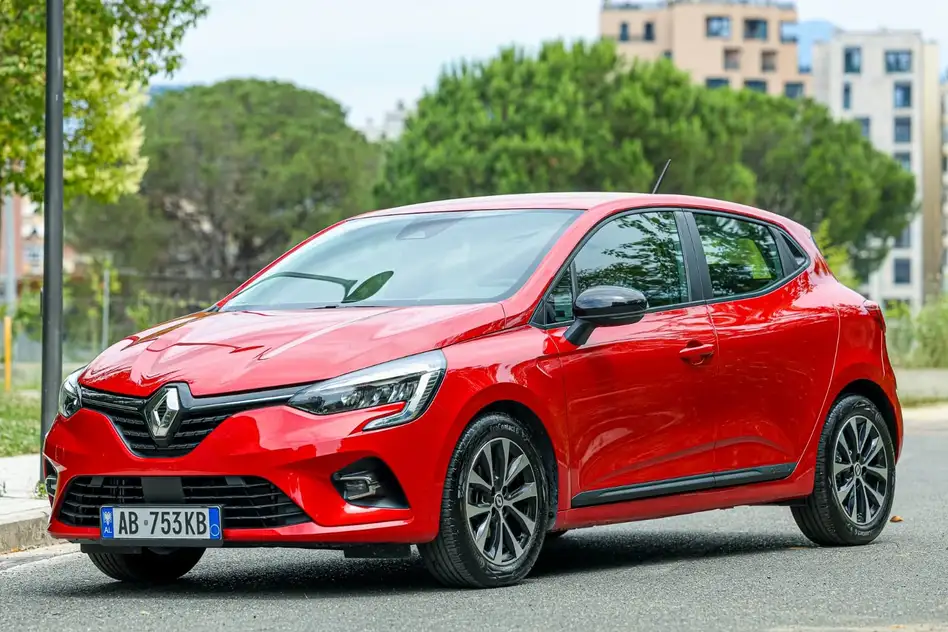
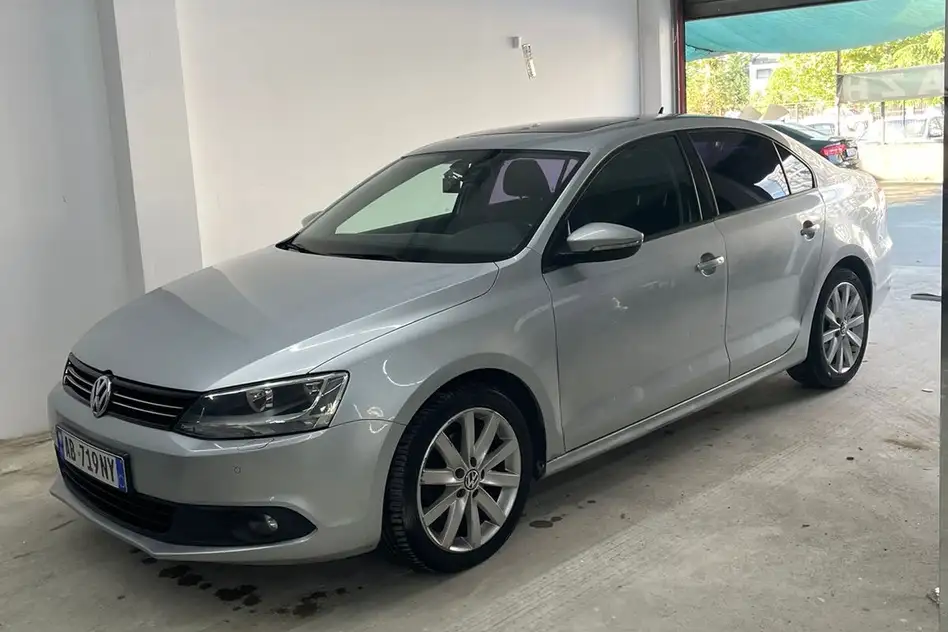
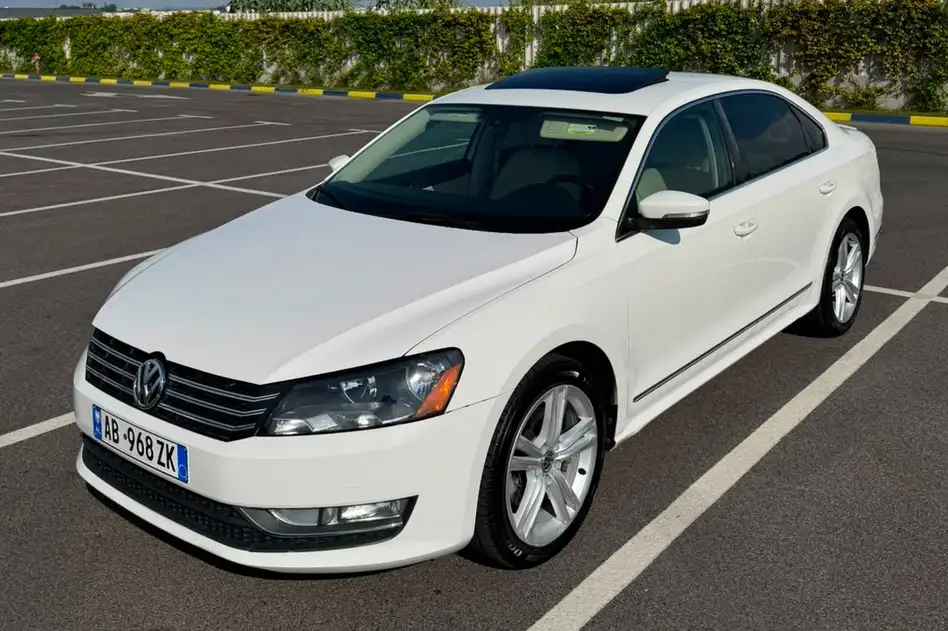
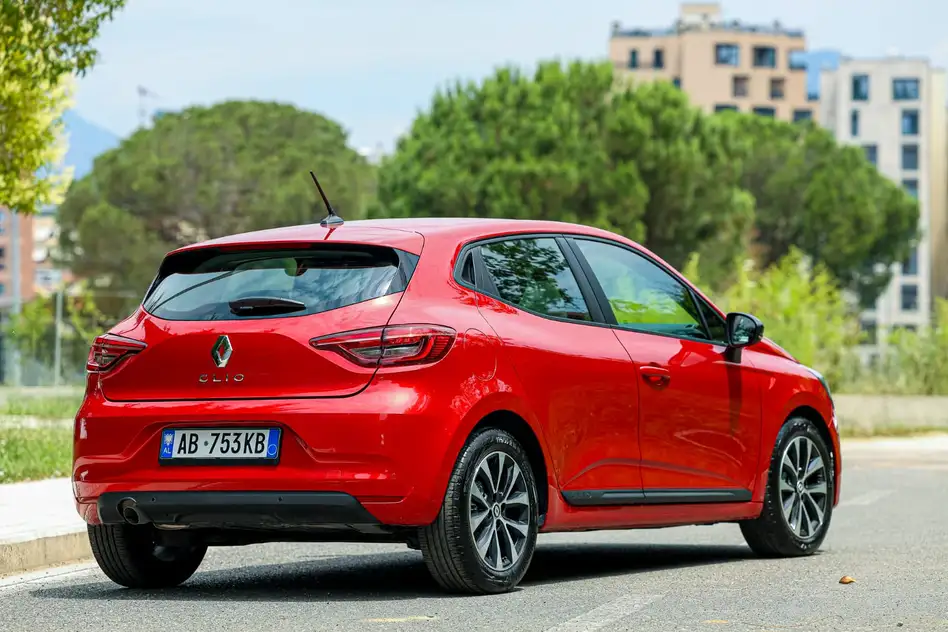
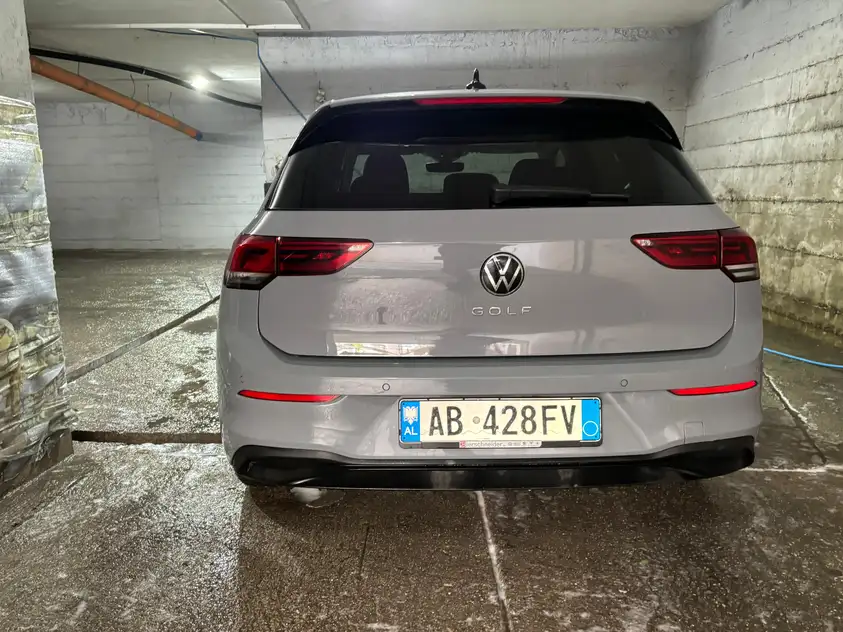
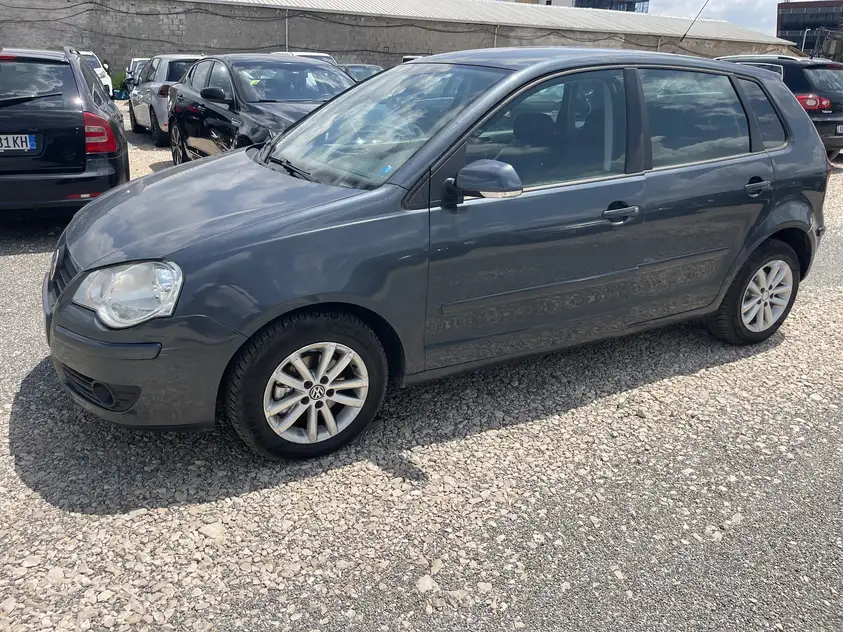
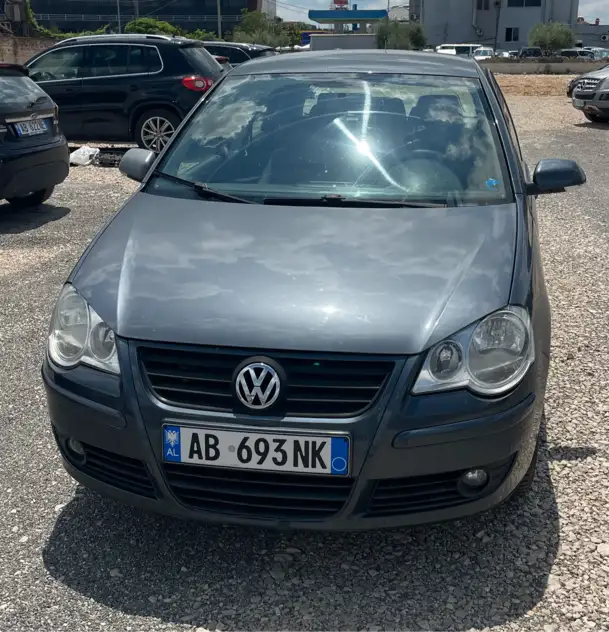
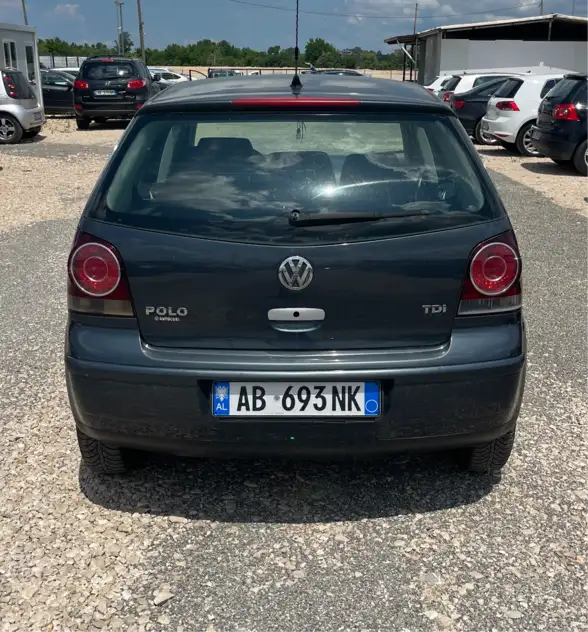
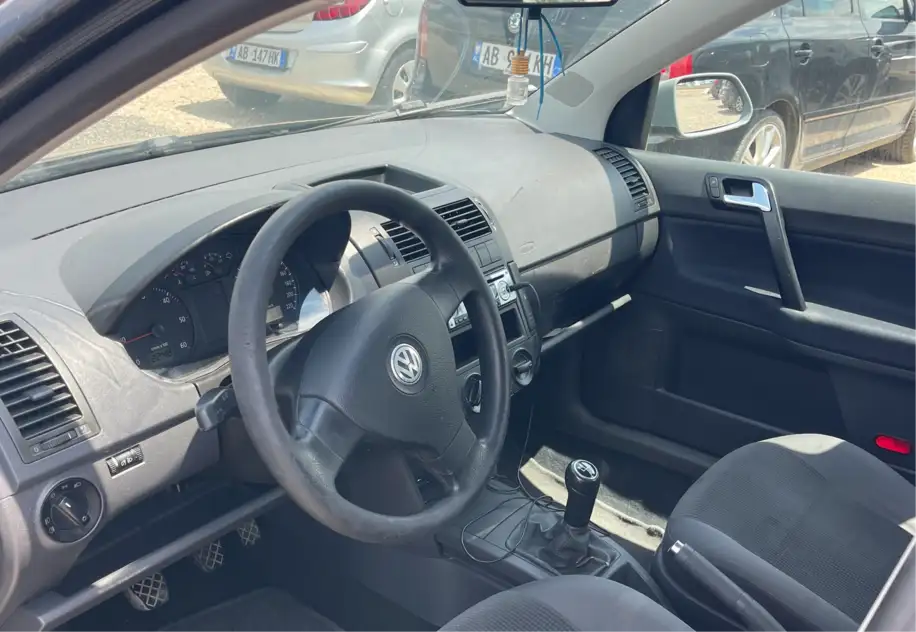
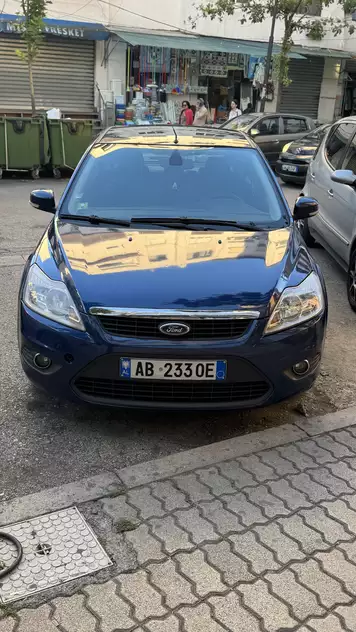
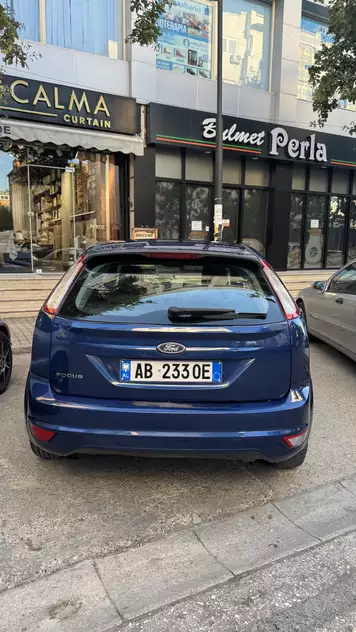
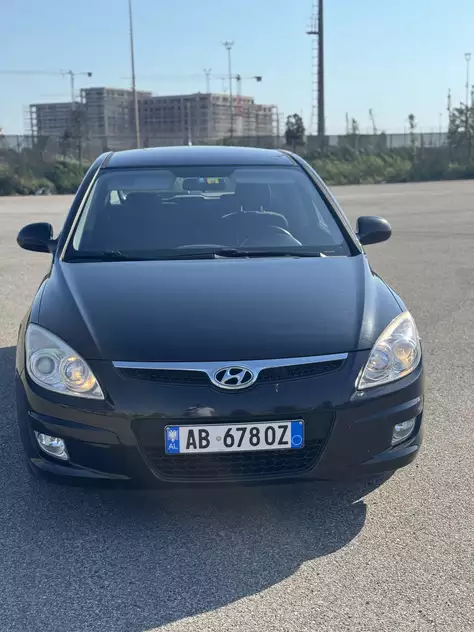
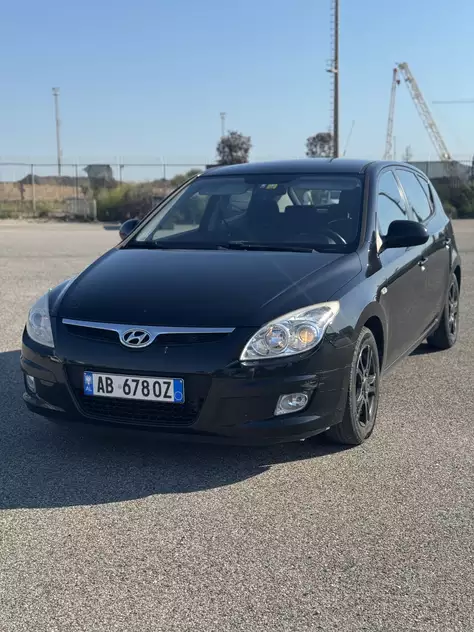
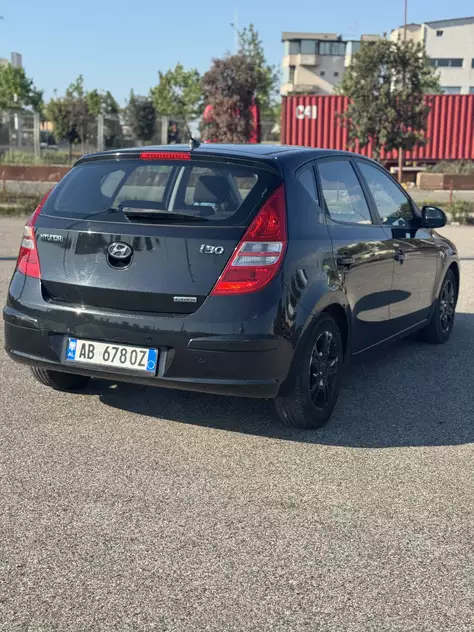
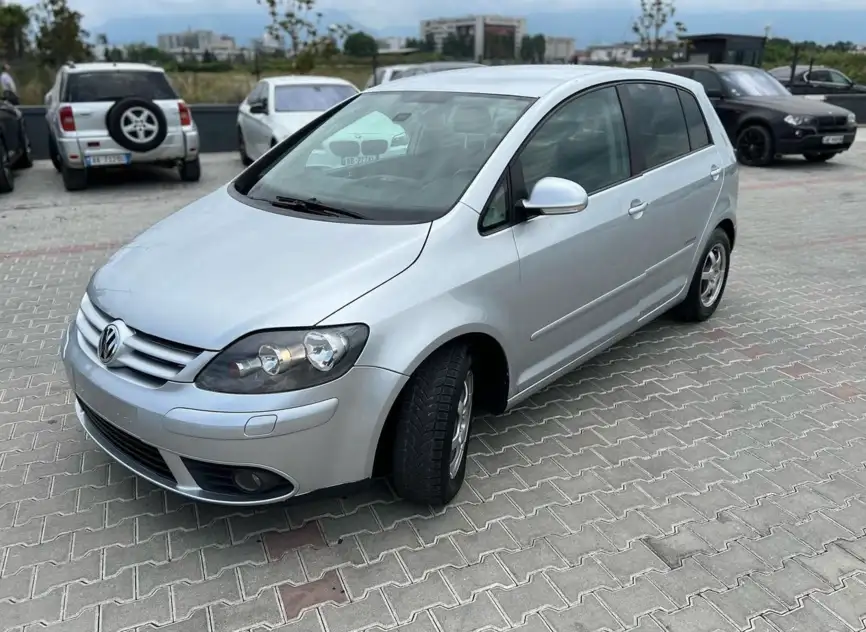
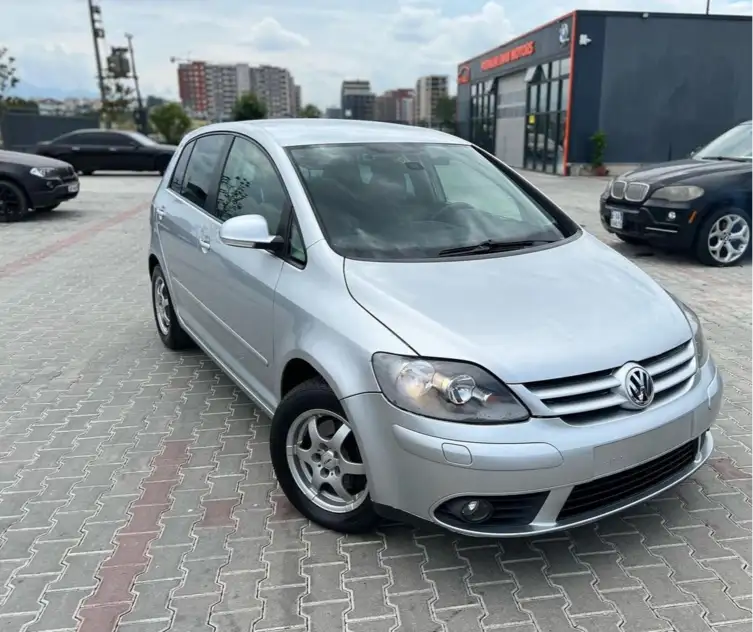
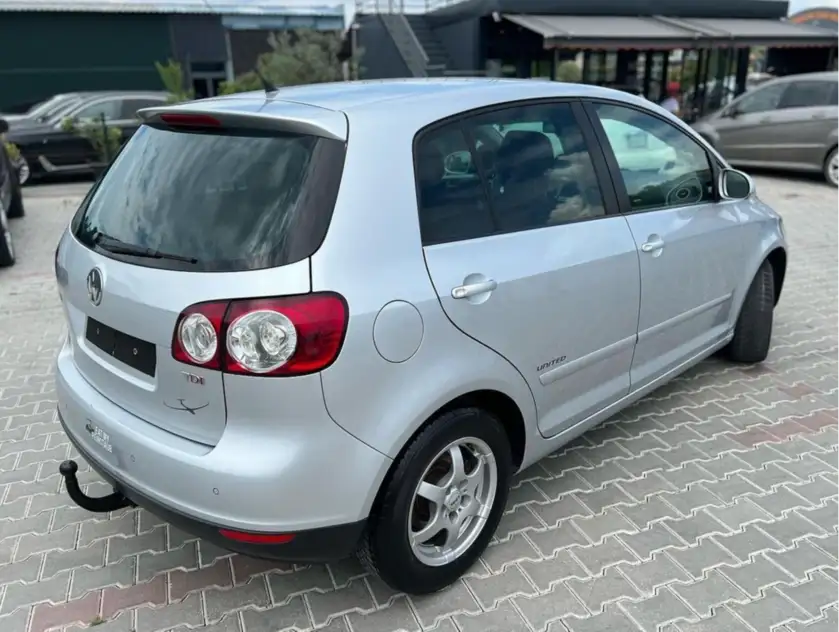
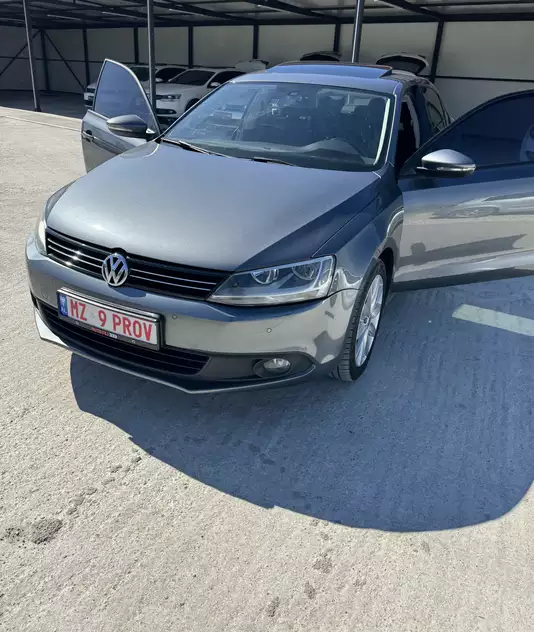
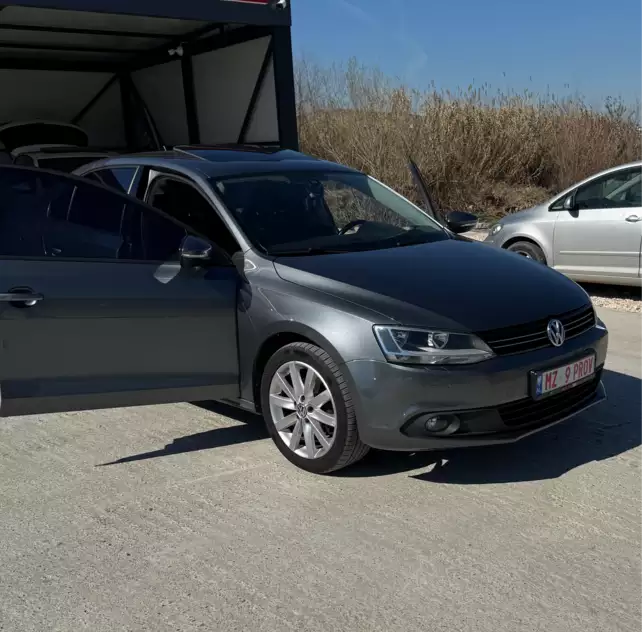
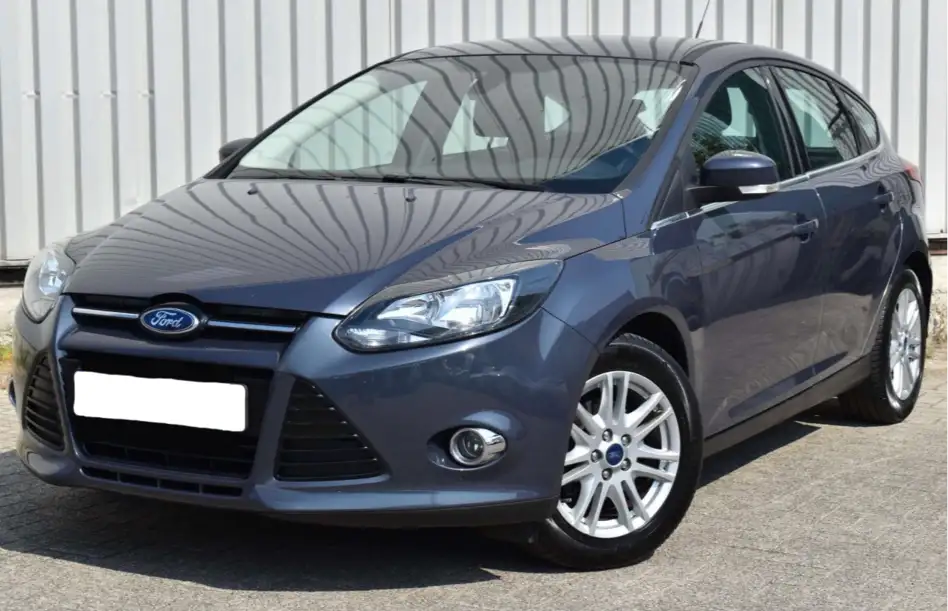
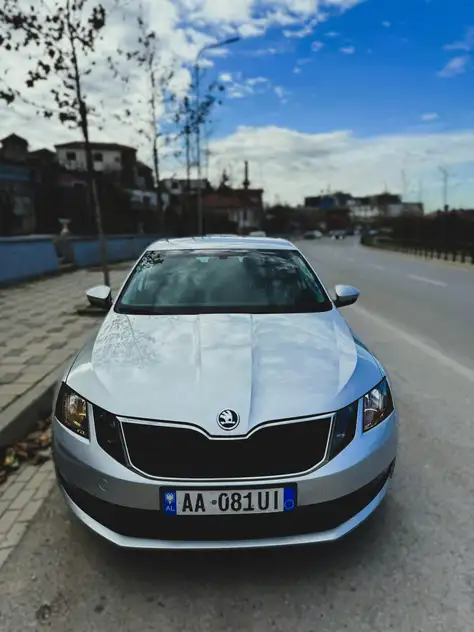
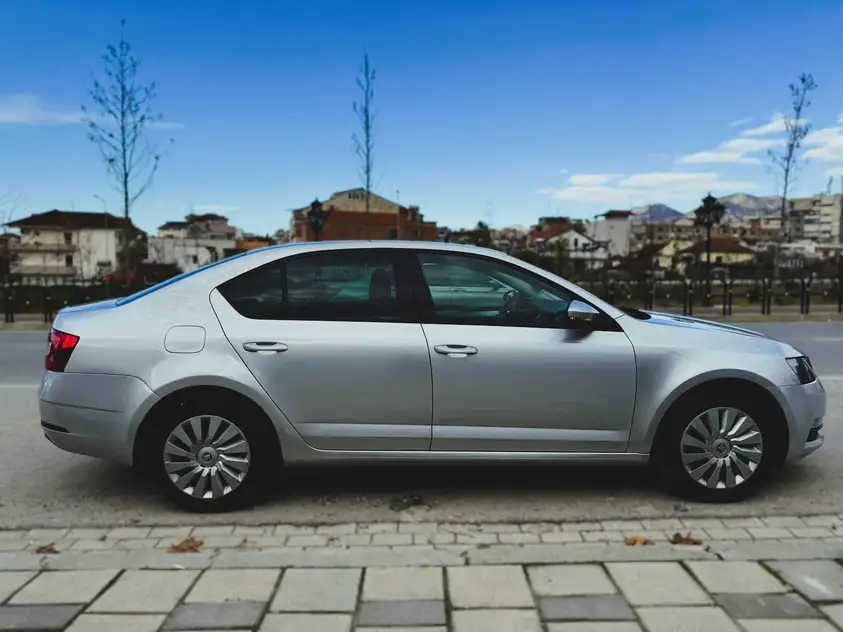
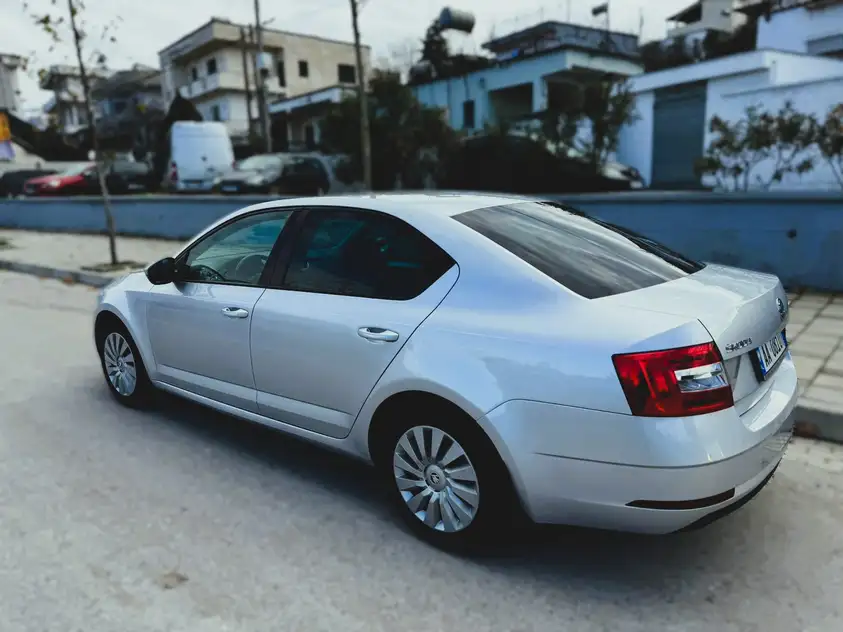
Covers every paved route from Korçë in summer and autumn: Prespa Lakes, Voskopojë (spring through early autumn), Dardha (summer), Kapshtica border, Pogradec. Right choice for most visitors May–September. Typical models: Seat Ibiza, VW Polo, Toyota Yaris.
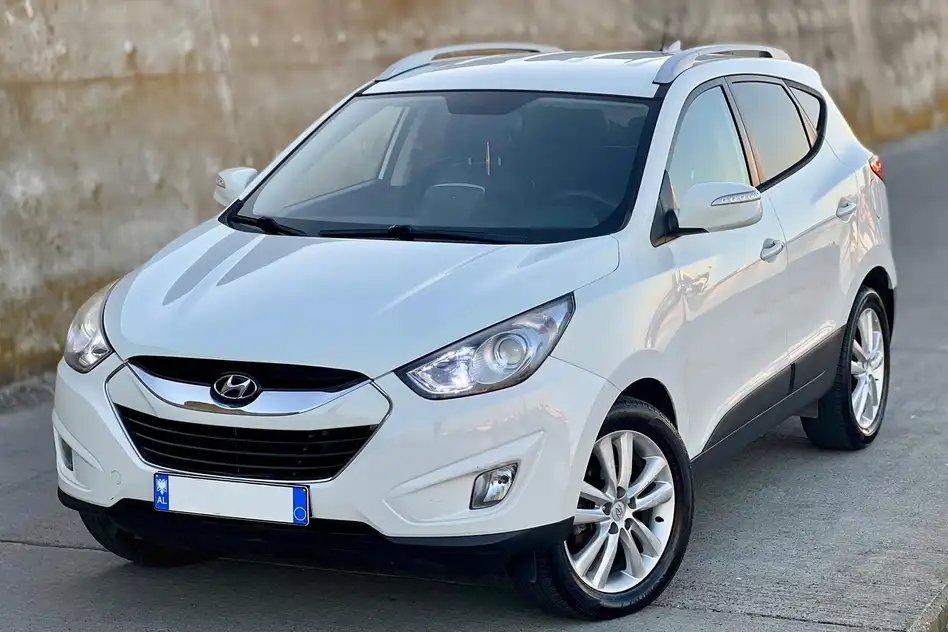
Compact SUV — From ~€52/day
The correct choice for October–April visits, Dardha in ski season, Voskopojë in shoulder seasons, and any route that ventures onto unpaved mountain tracks. Carries more confidence on snow-affected roads. Typical models: Renault Captur, Seat Arona, Hyundai Tucson.
Automatic Transmission
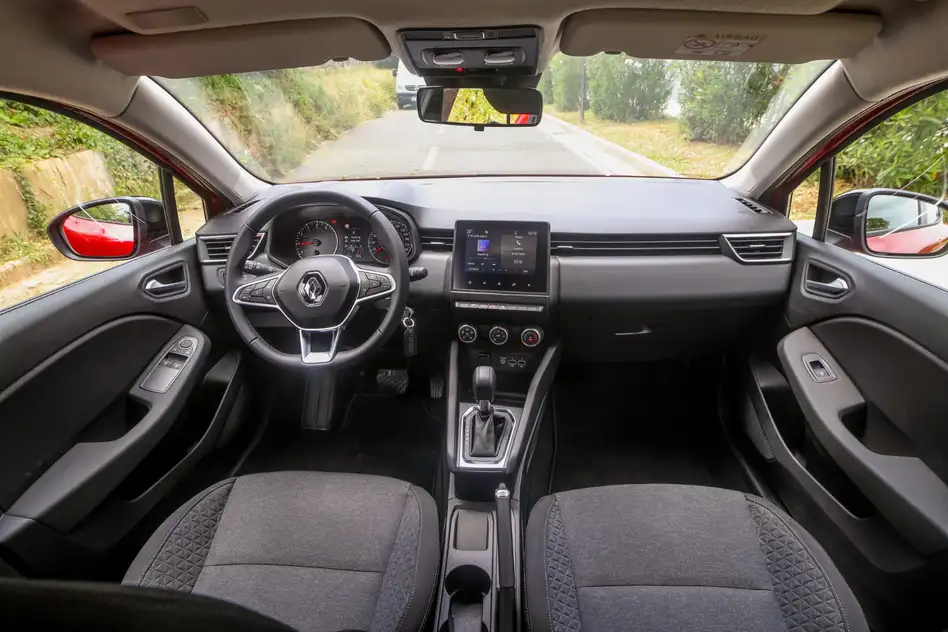
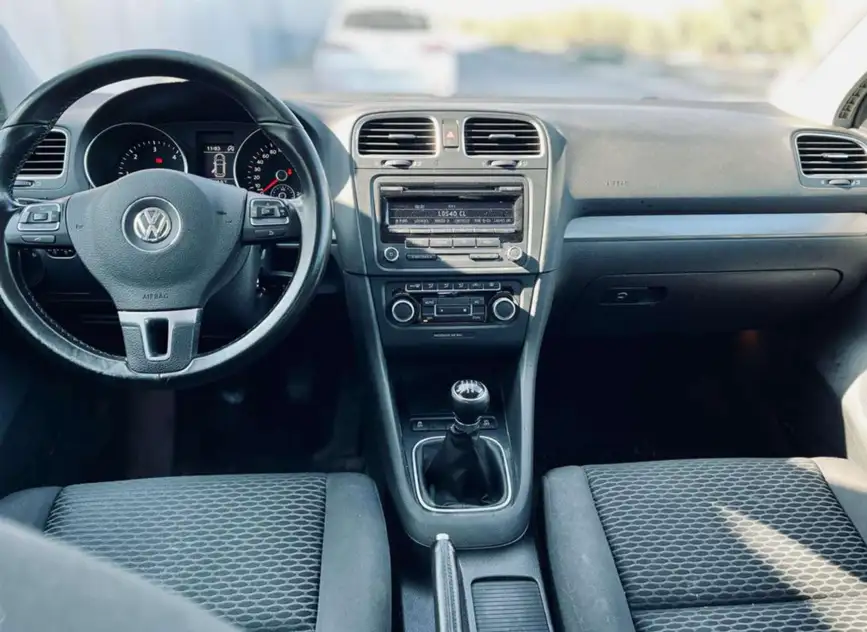
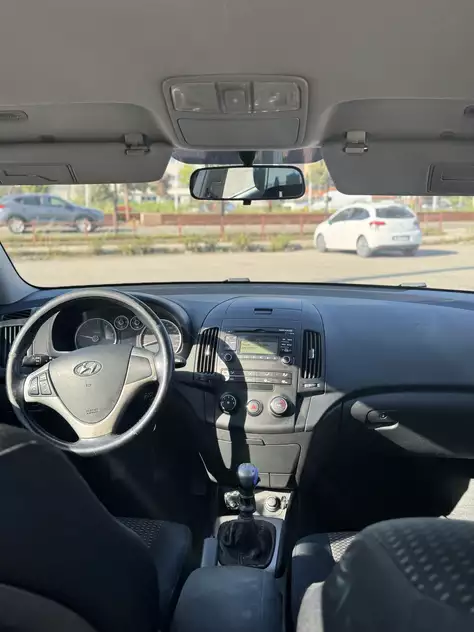
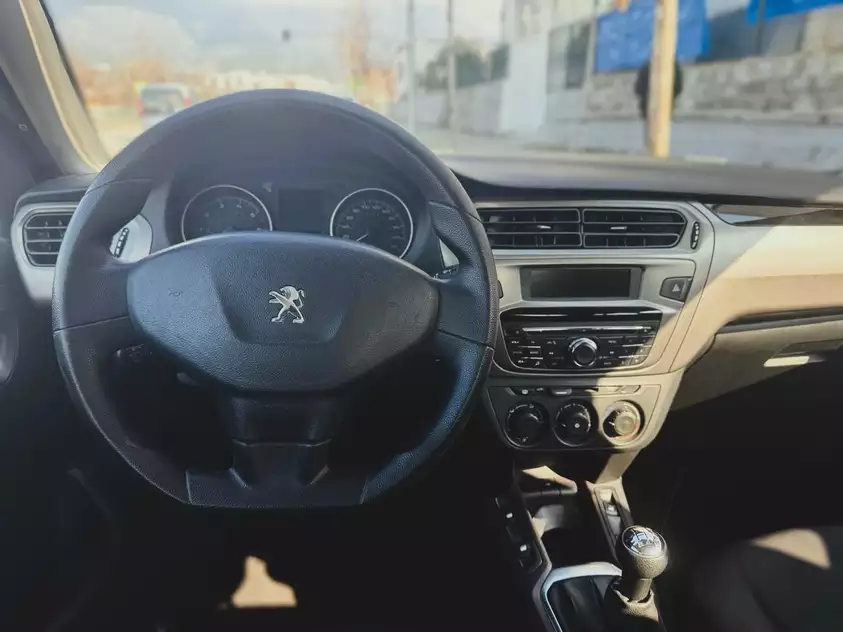
Available on selected models across economy and compact categories. Recommended for drivers less experienced with manual gearboxes on steep mountain roads. The Voskopojë and Dardha approaches both involve significant gradient changes. Small daily premium applies; specify at booking.
Category
Example Models
Low Season
High Season
Recommended For
Economy / Mini
VW Polo, Opel Corsa, Toyota Aygo
From €39/day
From €49/day
Summer city + lake trips
Compact Hatchback
Seat Ibiza, Renault Clio, Toyota Yaris
From €43/day
From €54/day
2–3 people, most routes
Mid-Size
Toyota Corolla, Seat Leon, Kia Ceed
From €50/day
From €63/day
4 people, longer drives
Compact SUV
Renault Captur, Seat Arona, Hyundai Tucson
From €52/day
From €67/day
Winter, mountain routes
Automatic (any class)
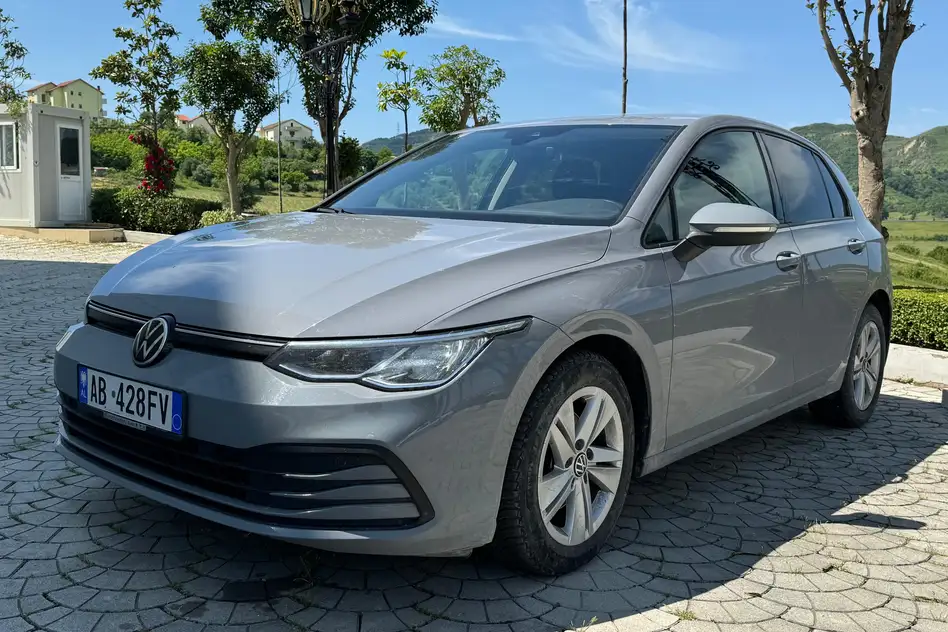
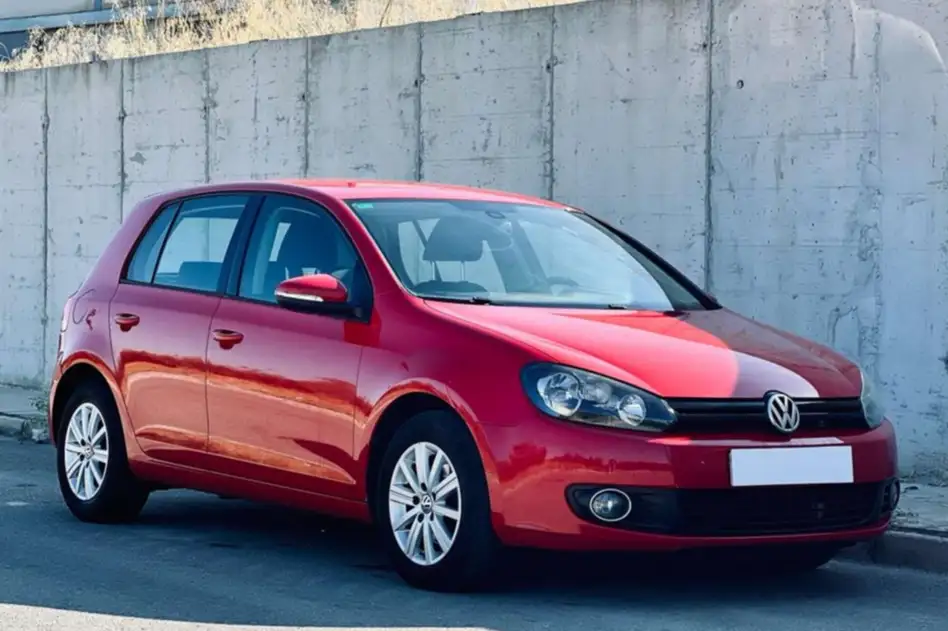
Toyota Corolla Auto, VW Golf Auto
From €48/day
From €61/day
Comfort, mountain roads
*Rates are indicative and vary by availability and season. Book 2–3 weeks ahead during Beer Festival (August) and Christmas market (December) periods. All prices include basic CDW; full zero-excess insurance upgrade is strongly recommended.
When to Visit Korçë — A Seasonal Guide for Hire Car Travellers
Korçë’s altitude makes it a genuinely four-season destination — the only inland Albanian city that functions differently in each quarter of the year. Here’s what each season delivers for a car hire traveller:
Spring
March – May
From €39/day
Wildflowers on mountain approaches. Prespa pelican colony active from April. Voskopojë road may still carry snow through March. Lightest crowds of the year. Good driving conditions from April onwards.
Summer
June – August
From €49/day
850m altitude keeps temperatures 8–12°C below coastal Albania. Beer Festival in August (70,000–100,000 visitors). Book car and accommodation 3–4 weeks ahead. All mountain roads accessible. Best for Prespa Lakes and Voskopojë.
Autumn
September – October
From €42/day
Best overall season for driving. Reduced crowds, excellent light, mountain foliage colour. Voskopojë road clear through October. Dardha hiking season ends late October. First mountain snowfalls possible from late October.
Winter
November – February
From €39/day
Dardha ski season (December–March). Christmas market in Korçë city (November–December). Genuine cold — down to -8°C nights. Compact SUV with winter tyres essential. Unique in Albania for winter tourism infrastructure.
How to Collect Your Hire Car in Korçë
1
City delivery to your accommodation in Korçë
The most convenient option. The vehicle arrives at your hotel, guesthouse, or apartment at the agreed time. Paperwork is completed on-site by the supplier representative. Particularly useful for visitors arriving by bus from Tirana or Elbasan — the car is ready when you need it, not when you manage to reach a depot.
2
One-way from Tirana or Tirana Airport
If you’re flying into Albania, renting from Tirana Airport or Rinas Airport and driving to Korçë (186km, ~2hrs 30min) gives you access to the largest fleet in Albania before heading southeast. The drive via the SH3 through Elbasan and Librazhd passes Lake Ohrid’s Albanian shoreline near Pogradec — a scenic approach. Confirm one-way fees at booking.
3
One-way out — Korçë to Berat, Gjirokastër, or Tirana
If Korçë is your starting point and you’re heading west or south, one-way car rentals to Berat (~2hrs), Gjirokastër (~3hrs), or back to Tirana (~2hrs 30min) are available through Rentrals. A one-way drop fee applies — confirm the amount at booking. The Korçë–Tirana one-way is the most frequently requested direction.
4
Vehicle inspection before you leave
Photograph every panel, the windscreen, all four tyres, and the full interior before signing the condition report. Walk the perimeter including the roof if accessible. Confirm every existing mark is noted by the supplier representative before accepting the keys. Keep the photos until you receive written confirmation of a clean return. This takes 10 minutes and prevents any ambiguity on return.
Driving in Korçë and Southeastern Albania — Practical Notes
Road conditions
The SH7 connecting Korçë to Elbasan and on toward Tirana is the main arterial road — improved significantly in recent years, paved throughout, and manageable in any standard car. The road to Pogradec (SH3) along the Lake Ohrid shore is good and scenic. Secondary roads to Voskopojë, Dardha, and the Prespa Lakes are paved but gain altitude quickly and can carry ice in cold months. Always ask at your accommodation about current road conditions before heading into the mountains in October through March.
Speed limits and police
Urban areas: 40km/h. Open roads: 80km/h. Dual carriageway sections: 100–110km/h. Speed cameras are active on the main approach roads to Korçë from Elbasan. Traffic police conduct routine document checks, particularly on weekends and during festival periods. Always carry your driving licence, vehicle registration document, insurance certificate, and passport.
Winter driving specifics for Korçë
Korçë’s 850m altitude means genuine winter conditions from November to March. The city’s main roads are salted and gritted. Mountain approaches to Dardha, Voskopojë, and Mali i Thatë villages are not always cleared quickly after snowfall. Check conditions before departing on mountain routes in winter. Confirm your rental vehicle has appropriate tyres fitted for the season — ask specifically about winter or all-season tyres when collecting in October through March.
Fuel in Korçë
Several petrol stations operate on and around Rruga Reshit Çollaku and the main approach roads into Korçë. Fill up in the city before heading to Prespa, Voskopojë, or Dardha — rural stations are sparse. Confirm petrol (benzinë) or diesel (naftë) at vehicle collection. Albanian fuel prices run slightly below EU averages, approximately €1.45–€1.65/litre for unleaded in 2024/25.
Navigation and signal
Google Maps is reliable on all main Korçë routes. Download offline maps (Maps.me works well for rural southeastern Albania) before leaving the city. Mobile signal is good in the city and along major roads, patchy above 1,200m on mountain tracks. The Prespa Lakes road has reasonable signal to the lake shore. The border crossing areas at Kapshtica and Qafë Thanë both have signal — useful for calling ahead if needed.
Documents required
Valid driving licence (minimum 12 months held), vehicle registration from the hire company, insurance certificate, and photo ID (passport or national ID). UK, EU, US, Canadian, Australian, and New Zealand licences accepted directly. Non-Latin script licences require a valid International Driving Permit obtained before travel. For any cross-border journey, also carry your written supplier permission document — border guards check vehicle papers.
Frequently Asked Questions — Car Hire in Korçë, Albania
Only with explicit written permission from your rental supplier, and only if the specific supplier permits it. Most Albanian rental companies either prohibit cross-border travel entirely or require a permission document and sometimes an additional fee of €15–40. The Kapshtica/Krystallopigi crossing to Greece is 70km from Korçë and connects to Kastoria (68km south). Do not attempt to cross without written permission — it voids your insurance and border guards check vehicle papers. Confirm at booking, not at the border.
Yes, if your supplier permits cross-border travel to North Macedonia. The route is approximately 95km via Pogradec and the Qafë Thanë / Sveti Naum crossing — about 1hr 15min to the border, then 15–20km north to Ohrid town. Ohrid Airport (OHD) is 35km from the crossing. The road on the Albanian side follows the Lake Ohrid shore and is good tarmac. Confirm written permission at booking. Korçë to Ohrid total is approximately 2 hours — a practical day trip or overnight excursion.
In summer and early autumn (May–September), a standard economy car handles both routes without issue. The roads to Voskopojë (22km) and Dardha (20km) are paved. From October through April, a compact SUV with winter or all-season tyres is strongly recommended — both roads gain significant altitude and can carry snow and ice in shoulder seasons and winter. A dedicated 4×4 is only needed if you’re exploring off-paved tracks in the mountains beyond these villages.
The Korca Beer Festival runs for four days in the second week of August — typically Wednesday through Saturday. It draws 70,000–100,000 visitors, far exceeding Korçë’s permanent population. Book accommodation 3–4 weeks ahead at minimum; central hotels fill completely. For rental cars in Korçë, the same 3-week lead time applies during the festival period — the 56+ vehicle fleet is under pressure and economy categories sell out first. Book both car and accommodation simultaneously once your dates are confirmed.
Korçë sits at 850m altitude and has a proper continental climate. Daytime temperatures in January and February average 1–4°C; nights drop to -5°C to -8°C regularly, occasionally lower. The city’s main roads are maintained and salted in winter. Mountain approaches to Dardha, Voskopojë, and the Mali i Thatë villages can be snow-covered. For any winter driving beyond the city, book a compact SUV and confirm with the supplier that winter tyres are fitted. Check road conditions before mountain departures between November and March.
21 years old with most suppliers at the Korçë location. Drivers aged 21–24 are classified as young drivers and typically pay a daily surcharge of €6–€12 on top of the standard rate. Drivers aged 25 and over pay the standard rate with no age supplement. Maximum age limits vary by supplier but rarely affect most travellers. Confirm the specific age terms for your chosen vehicle at booking — they differ between operators in the Korçë area.
Drive southwest from Korçë toward Bilisht, then follow the road south to the Prespa Lake shore at Pustec — approximately 75km, 1 hour 30 minutes on paved road. A standard economy car handles this route without issue in spring, summer, and autumn. In winter, the road can ice over — check conditions before departing between November and March. There is no tourist transport to the Prespa Lakes from Korçë; a rental car is the only practical way to reach it independently. The Albanian portion of the lakes has pelican colonies, Byzantine rock carvings, and the village of Pustec.
Economy hatchbacks start from €39/day in low season through Rentrals at the Korçë location. To reach the lower end of the rate range: book 2–3 weeks ahead, travel outside the Beer Festival period (August) and Christmas market period (December), and choose economy or compact category. Weekly rates offer a better per-day cost than daily bookings if your stay is 5 days or longer. Full zero-excess insurance is recommended for Albanian mountain roads — typically €4–8/day additional and worth it.
Yes — one-way rentals from Korçë to Tirana (186km, ~2hrs 30min), Tirana Airport, Berat (~2hrs), or Gjirokastër (~3hrs) are available through Rentrals. A one-way drop fee applies and varies by supplier and destination — typically €25–70. Confirm the exact fee at booking, not on the day of return. The Korçë-to-Tirana one-way is the most frequently requested direction and is well-supported by the suppliers operating here.
Yes — more so than almost any other Albanian inland city. The Beer Festival brings August visitors; the Christmas market and Dardha ski season bring winter visitors; spring brings Prespa pelican season and empty mountain roads. The Museum of Medieval Art, the Korça Brewery, the Old Bazaar, and the Voskopojë churches are year-round. Korçë’s 850m altitude means summer temperatures are significantly more comfortable than the coast — 8–12°C cooler on a hot day, which matters when the coast hits 38°C in July.
A valid driving licence held for at least 12 months, your passport or EU national ID card, the credit or debit card in the main driver’s name, and your booking voucher. UK, EU, US, Canadian, Australian, and New Zealand licences are accepted directly by Albanian suppliers. Non-Latin script licences (Arabic, Chinese, Japanese, Korean, etc.) require a valid International Driving Permit obtained before travel. For cross-border trips, also carry the supplier’s written cross-border permission document — it will be checked at the border.
Yes. The mountain roads around Korçë — Voskopojë, Dardha, the Prespa approach, the Mali i Thatë village tracks — have more surface variability than urban roads. Stone chips from loose gravel, pothole impacts on alloys, and winter road hazards are all real possibilities. Basic CDW includes an excess of €500–€1,500 that you pay upfront for any damage, however minor. Full zero-excess insurance eliminates this and typically covers windscreen and tyre damage too. At €4–8/day additional, it’s the right choice for this type of driving in this region. Check first whether your credit card or travel insurance already provides rental excess coverage.
Book Your Car Hire in Korçë
56+ vehicles from €39/day. No deposit options, full insurance, unlimited mileage, and city delivery to your accommodation in Korçë.
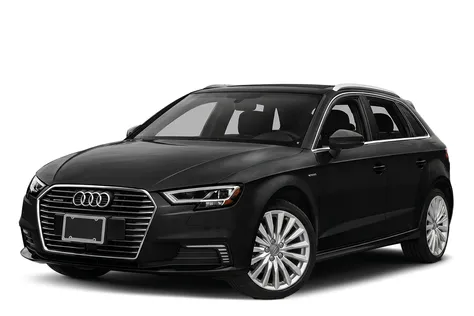
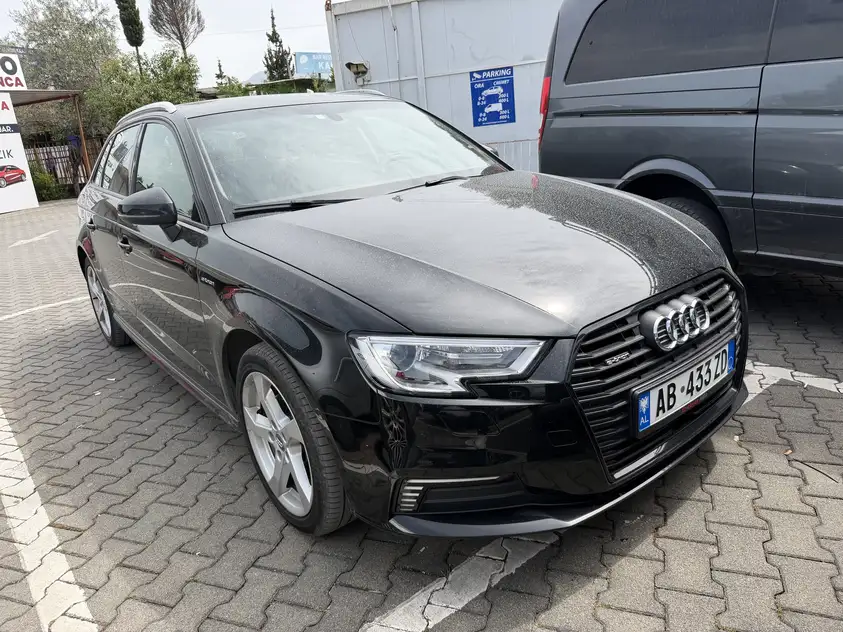
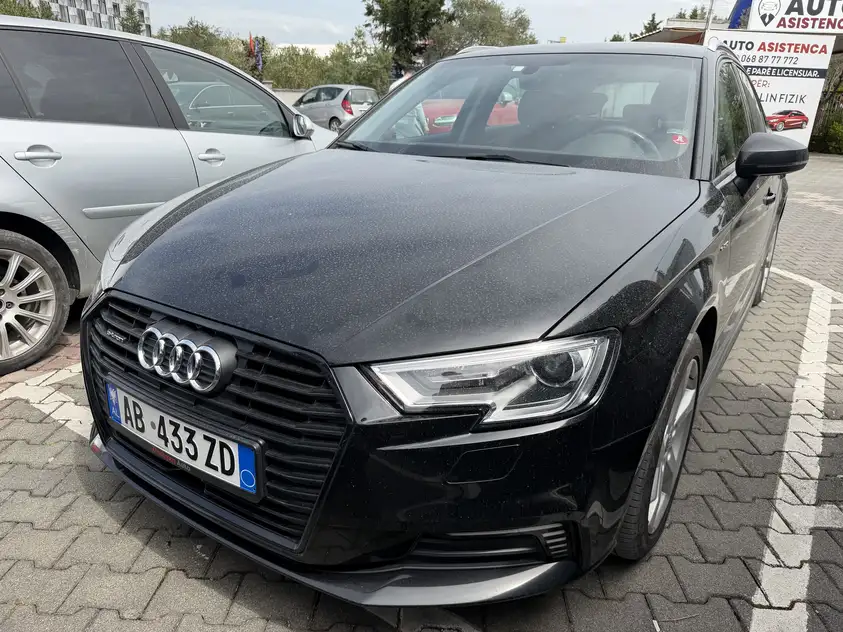
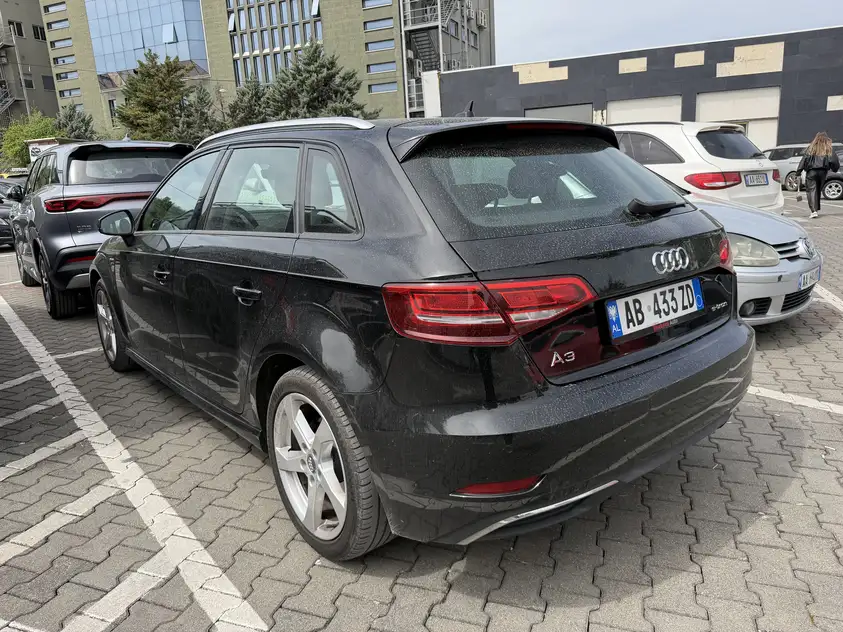

.webp?1749814586)





 Korçë’s position: 186km southeast of


 Kapshtica / Krystallopigi — Greece
 Qafë Thanë / Sveti Naum — North Macedonia
 Cross-border car hire — confirm at booking, not at the border: Most Albanian rental suppliers restrict cross-border travel or require explicit written permission, sometimes with an additional fee of €15–40. Attempting to cross into Greece or North Macedonia in an Albanian rental car without written permission voids your insurance entirely. The border guards can and do check vehicle registration documents. Sort this at the booking stage.
 Arriving from Ohrid Airport (OHD): If you’re flying into Ohrid Airport in North Macedonia and want to drive into Albania, the most practical approach is to hire a car from a local North Macedonia supplier, drive to the Albanian border, and arrange a separate Albanian rental car hire in Korçë from that point — or to rent from a supplier that explicitly permits North Macedonia–Albania cross-border travel. Confirm this in advance; it’s a route used regularly by experienced Balkans travellers.
 Prespa route summary: Korçë → Bilisht → Prespa Lake shore (Pustec). Distance: ~75km. Drive time: ~1hr 30min. Road: paved throughout. No 4×4 required in normal conditions. Best visited May–October. The pelican colony is most visible April–July. Combine with the Kapshtica border crossing for a full southeastern circuit day.
 Voskopojë winter driving caveat: The road to Voskopojë gains significant altitude above Korçë and can carry snow and ice from late October through April — sometimes earlier or later depending on the year. A light dusting in Korçë city can mean 10–15cm of packed snow on the Voskopojë approach road. Even in shoulder seasons (October, early November, March), check weather conditions at altitude before departing. A compact SUV with winter or all-season tyres is preferable to an economy hatchback for October–April visits. In summer, any standard car handles the road without issue.


 Compact SUV — From ~€52/day
 Automatic Transmission


 Road conditions
 Speed limits and police
 Fuel in Korçë
 Navigation and signal
 Documents required