Car Rental in Gjirokastër, Albania The Practical 2026 Guide
Gjirokastër is a UNESCO World Heritage city built almost entirely from grey limestone — its Ottoman bazaar, hilltop castle, and stone-roofed mansions have been continuously inhabited for 2,300 years. The city itself is walkable in an afternoon. The surrounding region — Antigonea ruins, the Bënja Thermal Baths at Përmet, the Kakavi border crossing to Greece — requires a car. This guide covers every practical question about renting in Gjirokastër, including the parking reality that every visitor needs before they arrive.
€30
From / Day
100+
Vehicles
€0
Deposit Option
∞
Mileage
100%
Full Insurance
Why Gjirokastër Rewards Independent Travellers with a Hire Car
Gjirokastër sits 230km south of Tirana in the Drinos Valley, enclosed by the Gjerë and Mali i Gjërë mountain ranges. The old town is a UNESCO World Heritage Site — one of only two in Albania, alongside Berat — and you can spend two days walking its cobbled lanes, touring the Zekate House, and exploring the castle without once needing a vehicle.
The reason to arrange car hire in Gjirokastër before you arrive is the region around it. Antigonea, the Hellenistic ruins 14km east, has no public transport connection. The Bënja Thermal Baths at Përmet are 60km northeast — tour operators charge €150–200+ per couple to take you there; a rental car makes the same trip for fuel cost. The Kakavi border crossing into Greece is 22km south on a good paved road, and if you’re doing the classic Albania southern loop — Tirana to Berat to Gjirokastër to Sarandë — a hire car is the only way to do it on your own schedule.
The twice-daily bus to Sarandë (75km west) departs at fixed times that don’t account for a morning at the castle or a detour to Antigonea. A rental car from Gjirokastër removes that constraint entirely.
Worth knowing before you arrive: Gjirokastër’s old town is built on a steep hillside with stone-cobbled lanes that are pedestrian routes, not roads. The city’s layout means your rental car parks at the lower level and you explore on foot. Understanding where to park before arrival saves the frustration of discovering the old town’s geography with luggage in the boot. The full parking guide is below.
What’s Included with Your Car Hire in Gjirokastër
Rentrals works with trusted local and international suppliers at the Gjirokastër location. Here’s what’s available across the 100+ vehicle fleet:
No Deposit
No security hold on your card at collection. Your credit limit stays fully available throughout your rental period.
Low Deposit Options
Lower daily rate in exchange for a smaller upfront hold. Available across economy and compact categories from €30/day.
City Delivery
Vehicle delivered to your accommodation in Gjirokastër. Confirm your address and any parking access notes when you book.
Full Insurance
Comprehensive zero-excess cover including bodywork, windscreen, and theft. No financial exposure on Albania’s variable road surfaces.
Unlimited Mileage
Drive Gjirokastër to Antigonea to Përmet to Sarandë without kilometre caps or distance surcharges.
100+ Vehicles
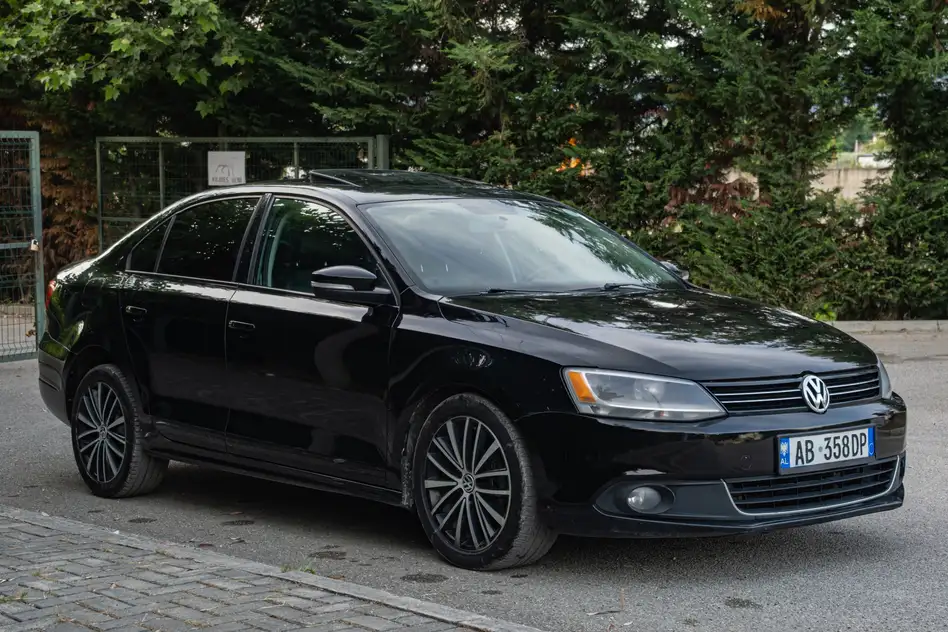
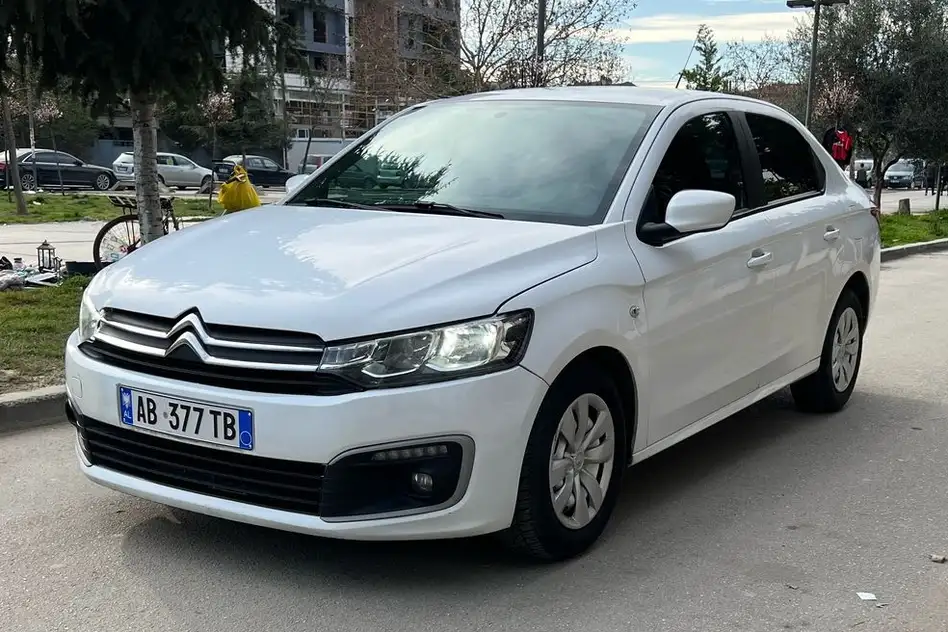
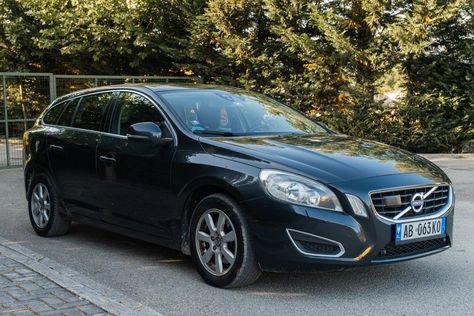
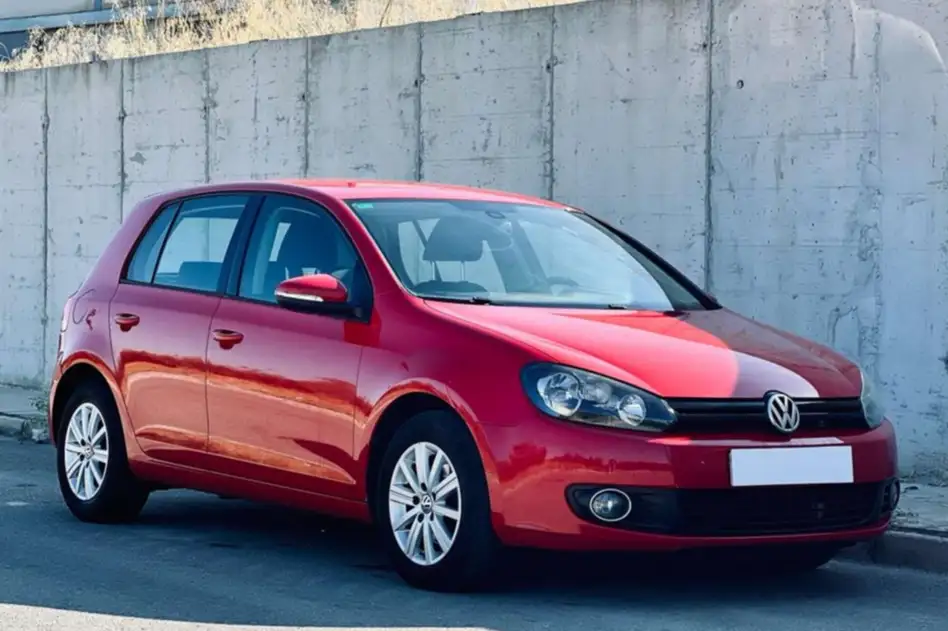
Economy hatchbacks, compact SUVs, automatics, estates — over 100 vehicles available in Gjirokastër from €30/day.
Parking in Gjirokastër Old Town — The Complete Practical Guide
This is the question that matters most to every visitor arriving by hire car, and it’s rarely answered honestly on car rental pages. Gjirokastër’s historic UNESCO area is built on a hillside with extremely narrow stone-cobbled lanes. These lanes are pedestrian routes. You don’t drive a rental car into them under any circumstances — not briefly, not to drop luggage, not “just for a moment.” Emergency vehicle access must stay clear, and the lanes are genuinely too narrow for a standard vehicle to manoeuvre safely.
Here’s where to park, from most to least convenient:
Main boulevard — free street parking
Bulevardi 18 Shtatori, the main road through the lower city, has free street parking along its length. This is the primary option for day visitors. From here, the castle and old town are 15–25 minutes uphill on foot — the climb is steep, so wear proper shoes. The walk is the point: this is how Gjirokastër is meant to be experienced.
Castle approach road — small car park
A narrow asphalt road leads up toward Gjirokastër Castle from the lower city. It’s driveable but tight — compact and economy cars handle it comfortably; larger vehicles are harder work. A small informal car park sits just below the castle entrance gate. If spaces are taken, return to the boulevard and walk. Don’t attempt to reverse back down a narrow mountain road with other vehicles waiting.
Near the old bazaar — paid parking signposted
Several paid parking options are signposted on the approach roads to the old bazaar area. Fees are typically €0.50–€1/hour. These are closer to the bazaar than the boulevard but fill quickly on summer mornings. Arrive before 9:30am on weekends in July and August for a guaranteed space.
Bus station area — usually available
The bus station is approximately 800m from the city centre and normally has available roadside parking. A 10-minute walk brings you to the main boulevard. Useful if the central options are full, particularly on weekends in high season. A 2-minute drive between the bus station and central boulevard if you’re repositioning the car.
Stone lanes of Mangalem — never drive here
The stone-cobbled lanes of the historic residential quarter are for pedestrians only. Never drive a rental car into these lanes, even to reach accommodation directly above. If your guesthouse is in the upper old town, the owner will guide you to the closest accessible car park — contact them before arrival, not on the day.
Guesthouse overnight parking tip
Most guesthouses in Gjirokastër have arrangements with nearby lots or can direct you to secure overnight parking. Confirm this when booking your accommodation, not at check-in with a loaded car at 8pm. Some guesthouses in the lower city have courtyard parking — check this detail specifically if it matters to you.
Antigonea Ruins — The Hellenistic City 14km from Gjirokastër
Antigonea is a 3rd-century BC Hellenistic city founded by King Pyrrhus of Epirus and named after his wife Antigone. The site sits on a hilltop 14km east of Gjirokastër near the village of Saraqinishtë, overlooking the Drinos Valley with the mountain range that marks the Albanian-Greek border visible on clear days.
What you’ll find at the site: a grid-planned Hellenistic city with excavated streets, public squares, residential house foundations, storage areas, and the ruins of the early Church of Saint Michael — considered one of the oldest Christian structures identified in the Balkans. The city was abandoned in 167 BC following Roman conquest of the Epirus region.
Practically speaking, car rental in Gjirokastër makes Antigonea a 30-minute drive on standard paved road. Follow signs from Gjirokastër toward Saraqinishtë — the route is straightforward and any economy hire car handles it without difficulty. There’s parking near the site entrance and a short uphill walk to the ruins. Entrance is approximately €2–3. Guides are sometimes available locally; for a more structured visit, Caravan Horse Riding Albania organises horse-trekking approaches to Antigonea for those who want a genuinely different experience of the site.
The ruins themselves are largely unrestored and not heavily curated — it’s an archaeological site, not a theme park. Come with some background reading and the site rewards time. Spring and autumn are the practical choices: the hilltop is fully exposed and very hot from June to August between 11am and 4pm.
Route summary: Gjirokastër → Saraqinishtë → Antigonea. Distance: 14km. Drive time: approximately 30 minutes. Road: paved throughout, suitable for all standard rental vehicles. Entrance fee: ~€2–3. Crowds: minimal year-round — this is one of the most genuinely quiet archaeological sites in the southern Balkans.
Bënja Thermal Baths at Përmet — 60km from Gjirokastër by Rental Car
The Bënja Thermal Baths sit on the Lëngaricë River approximately 60km northeast of Gjirokastër, roughly 1 hour’s drive through the Drinos Valley. The baths are natural geothermal pools fed by warm sulphur-rich springs that flow into carved pools along the riverbank. The setting is genuinely distinct: the pools sit directly beneath a 17th-century Ottoman stone arch bridge (Ura e Kadiut) with forested gorge walls on both sides. You soak in 32–36°C water while the river runs alongside you and the old bridge frames the view above.
Tour operators in Gjirokastër and Sarandë sell a Bënja Thermal Baths day trip for €150–200+ per couple, inclusive of transport and guide. In a car hire from Gjirokastër, you make the same trip for the cost of fuel — roughly €8–12 return in a standard economy car. The road follows the Drinos Valley northeast and is paved throughout. No 4×4 is needed. Standard economy cars and compact hatchbacks handle it without issue.
Combine it with time in Përmet town itself — a quiet southern Albanian market town known for traditional food, local wine, and rose-based products — for a full day out. The town has several good local restaurants serving Gjirokastrën-region cooking. Return to Gjirokastër by late afternoon and you have the castle at golden hour, which is worth planning around.
Route summary: Gjirokastër → Drinos Valley road → Përmet → Bënja. Distance: ~60km. Drive time: approximately 1 hour. Road: paved throughout. Cost vs tour: fuel (~€8–12 return) versus organised tour (€150–200+ per couple). Any standard rental car handles this route.
The Kakavi Border Crossing — Entering or Exiting Albania via Greece
The Kakavi/Kakavia border crossing is 22km south of Gjirokastër on a good paved road — approximately 25 minutes from the city centre. This is Albania’s main southern land border with Greece, connecting to Ioannina (60km south of the crossing) and from there to Athens by motorway or ferry connections from Igoumenitsa to Corfu and onwards.
A common travel pattern runs: fly into Corfu, ferry to Sarandë (75km west of Gjirokastër), drive or bus to Gjirokastër, then north through Berat and out through Tirana Airport. The reverse — fly into Tirana, drive south, exit via Kakavi to Greece — is equally popular.
Cross-border rental car rules — confirm at booking, not at pickup: Most Albanian rental suppliers do not permit driving into Greece without explicit written permission, and many prohibit it entirely. Do not assume cross-border travel is included. Check your specific supplier’s terms when you book. Discovering the restriction at the border with a loaded car is a poor position to be in.
If your supplier does not permit crossing into Greece, two practical options:
Option 1: Park and cross on foot
Leave your Albania rental car at Gjirokastër or in the border town of Kakavi. Cross the border as a foot passenger and arrange onward transport in Greece — taxis and bus connections to Ioannina are available from the Greek side of the crossing at Kakavia.
Option 2: One-way drop and rehire
Drop your Albania rental car in Gjirokastër or at Tirana Airport (230km north, 3–3.5 hours on the SH4) and hire a separate vehicle in Greece. A one-way drop from Gjirokastër to Tirana is a standard request — confirm the one-way fee at the time of booking.
Driving from Berat to Gjirokastër — The Route That Matters
The most direct route between Berat and Gjirokastër is the Komar shortcut — but this road requires a 4×4 with high ground clearance. Do not attempt it in a standard economy car, compact hatchback, or standard SUV. The surface deteriorates significantly on the Komar section and is not covered by standard rental insurance.
Standard rental cars take the paved route: SH4 south from Berat to Tepelenë, then the SH73 east through the Vjosa River valley to Gjirokastër. Total distance: approximately 120km. Drive time: 1 hour 45 minutes. The road is paved throughout and the Vjosa valley section is genuinely good driving — wide river views, mountain scenery, almost no traffic on weekdays.
Komar shortcut — 4×4 only: If your navigation app routes you via Komar between Berat and Gjirokastër, ignore it unless you have explicit written permission from your supplier and are driving a high-clearance 4×4. The longer SH4/SH73 paved route adds roughly 30–40 minutes but carries no risk and is the route your insurance covers.
If you’re starting from Berat and plan to visit the Osumi Canyon area on the same trip, see the full Berat car hire guide — it covers the Osumi Canyon route distinction in detail, including which road is prohibited for standard rentals and how to reach the canyon activities at Çorovodë safely.
Vehicles and Pricing for Gjirokastër Car Hire
All paved routes from Gjirokastër — including Antigonea, Sarandë, Bënja Thermal Baths, and the SH4/SH73 route to Berat — are accessible in a standard economy or compact car. An SUV adds comfort on longer drives and inspires confidence on the rougher approach tracks to rural sites, but it’s not a requirement for the main Gjirokastër itinerary.
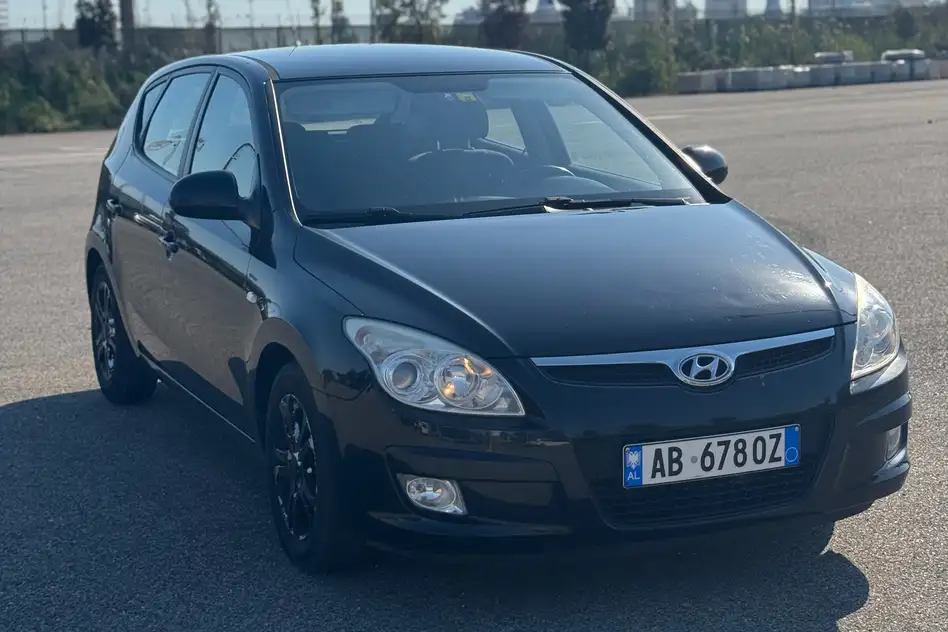
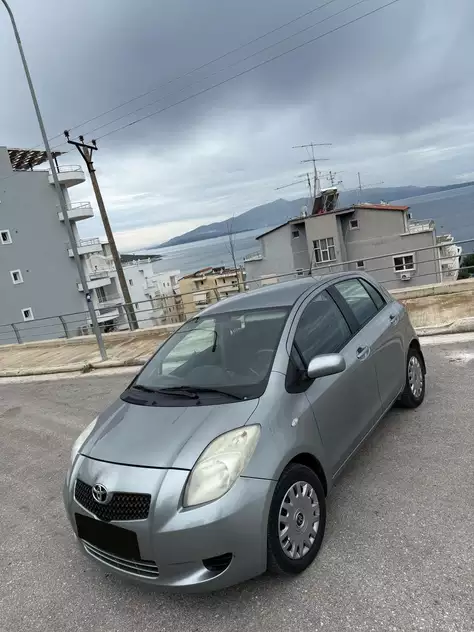
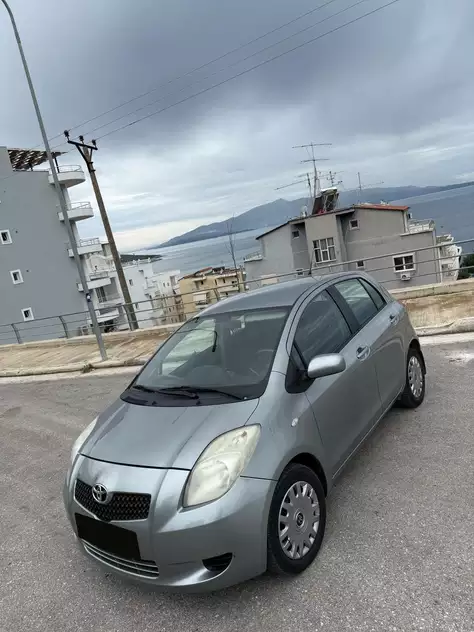
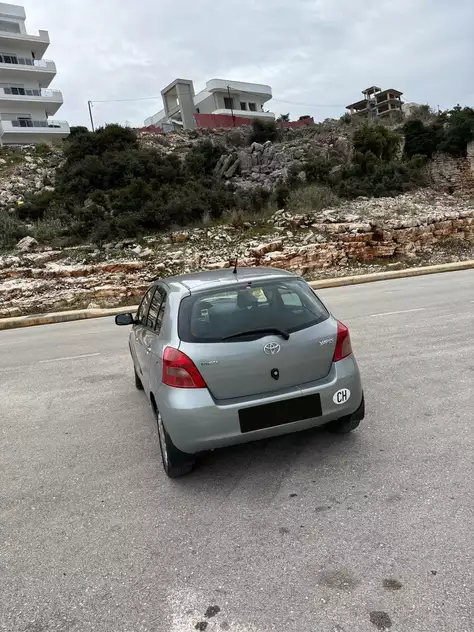
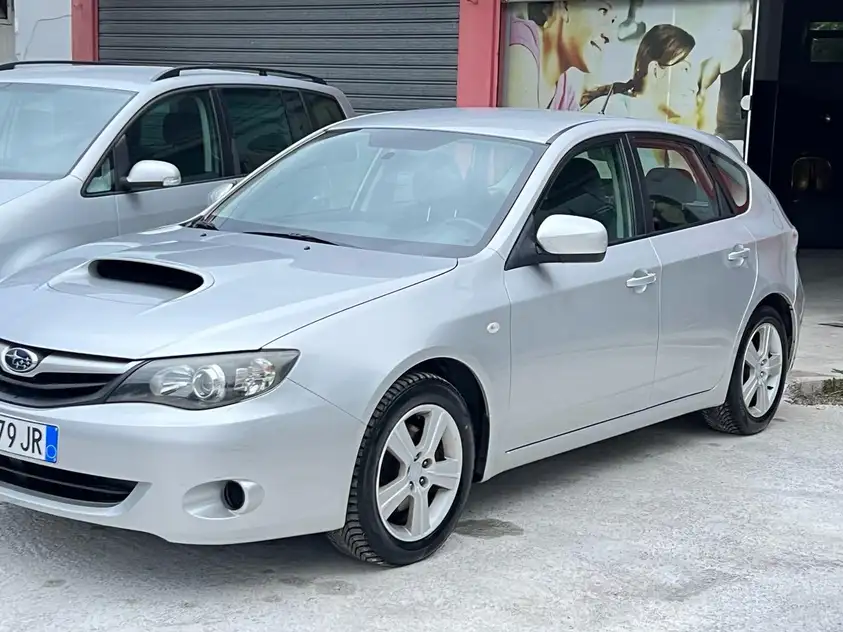
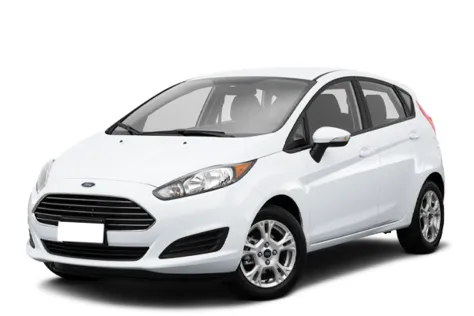
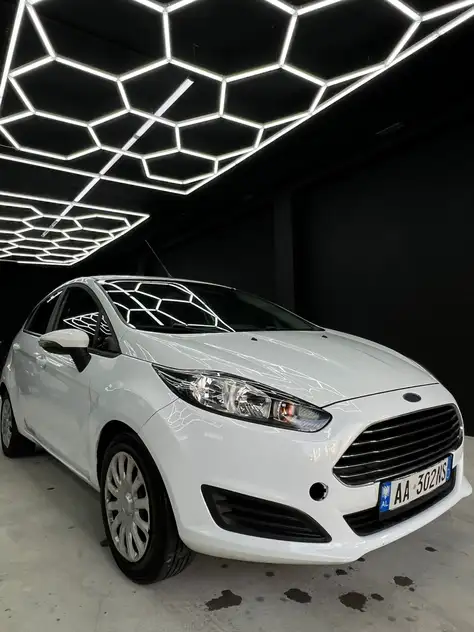
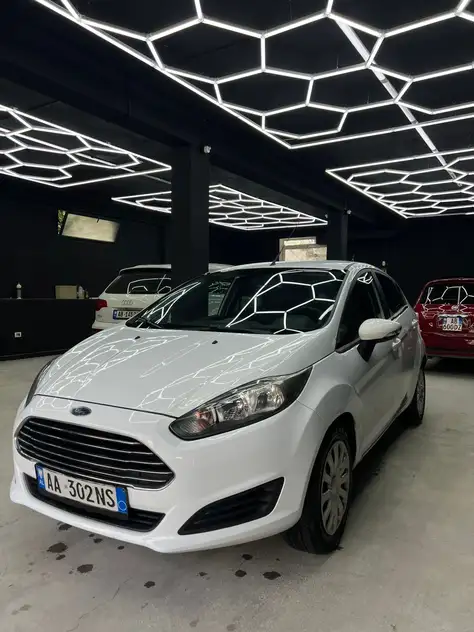
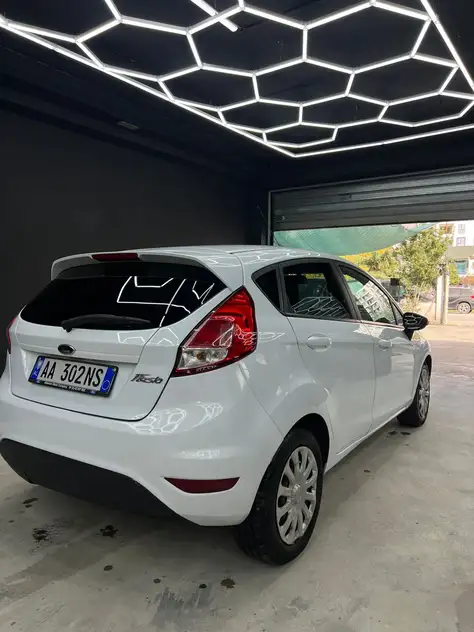
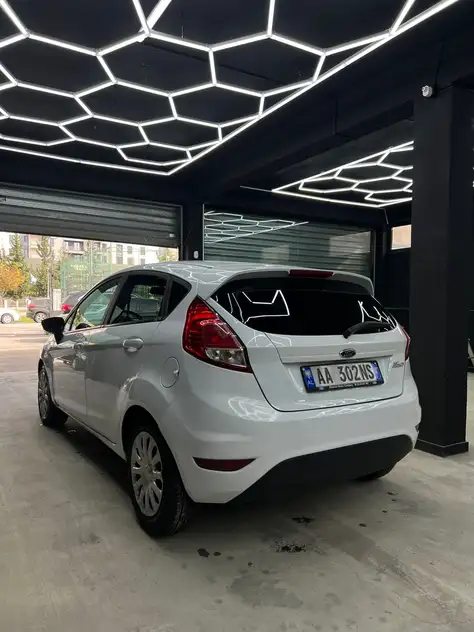
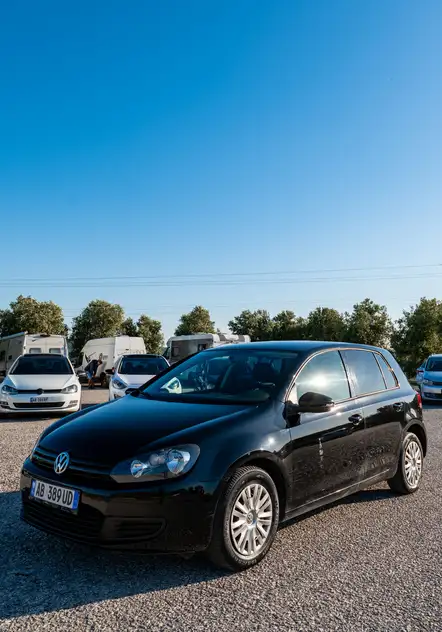
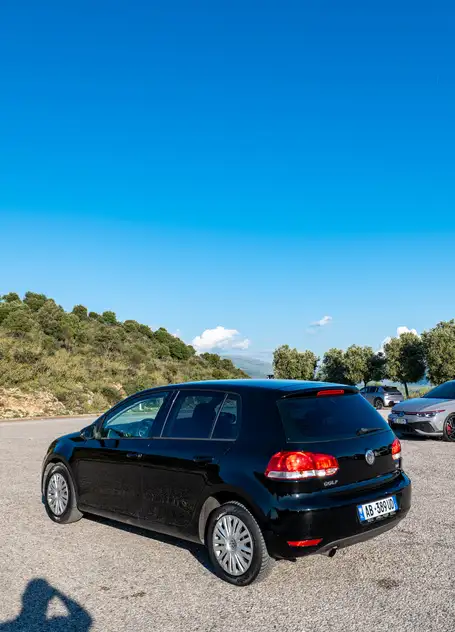
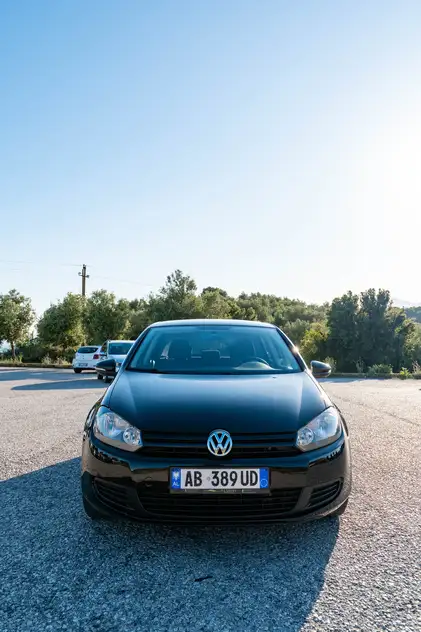
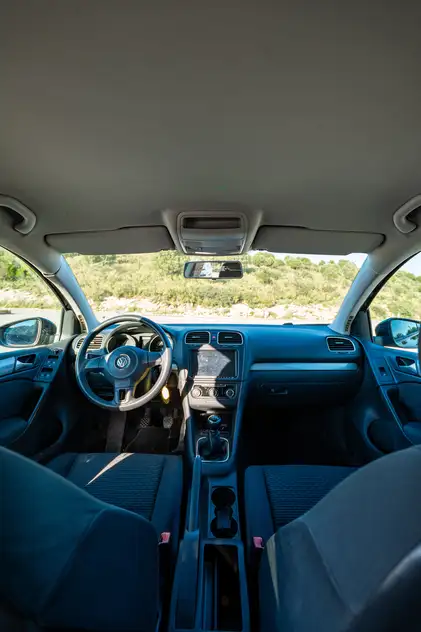
Economy Hatchback
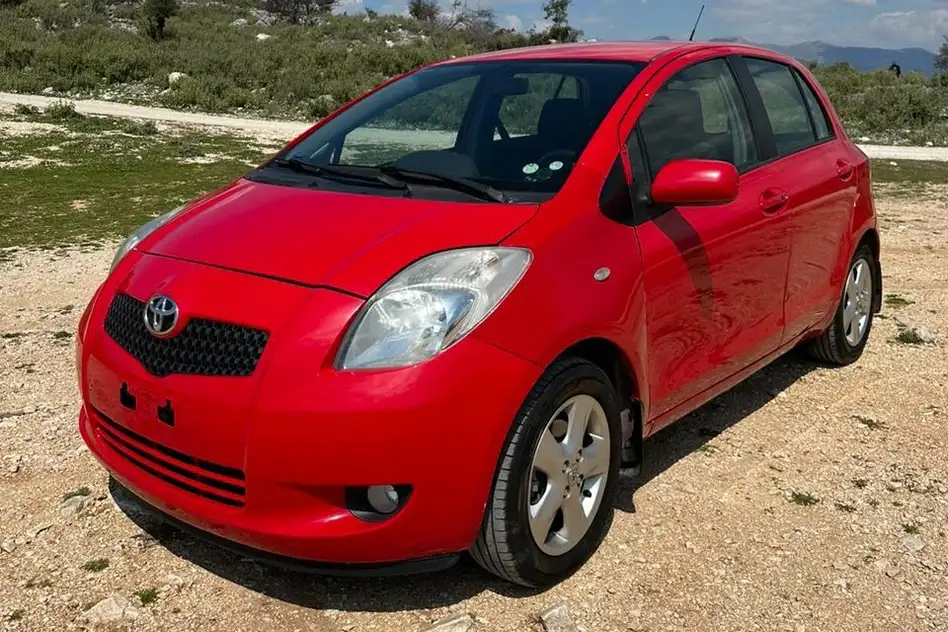
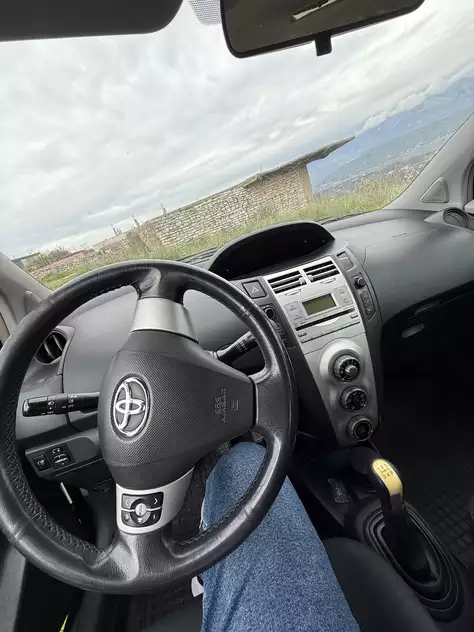
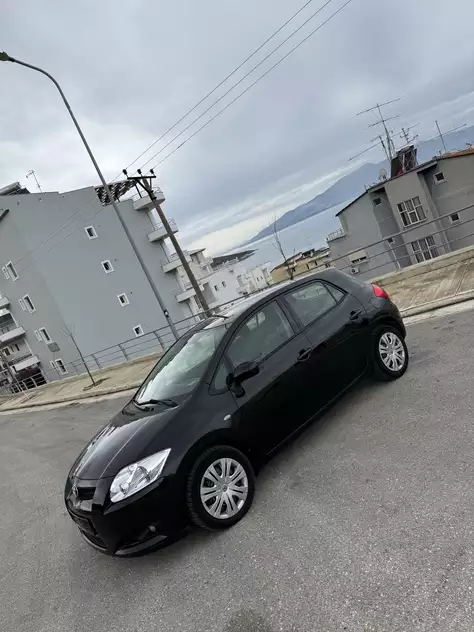
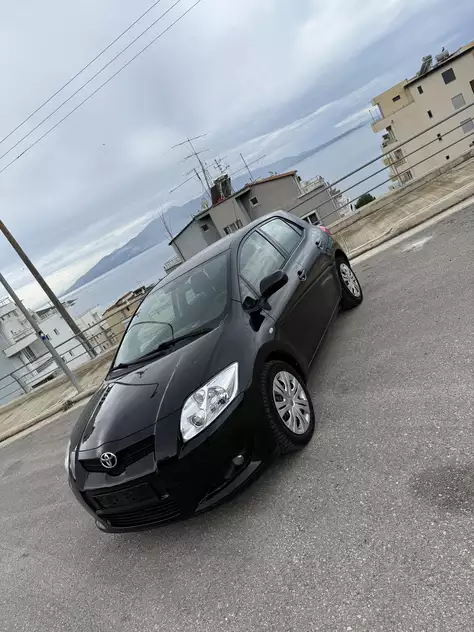
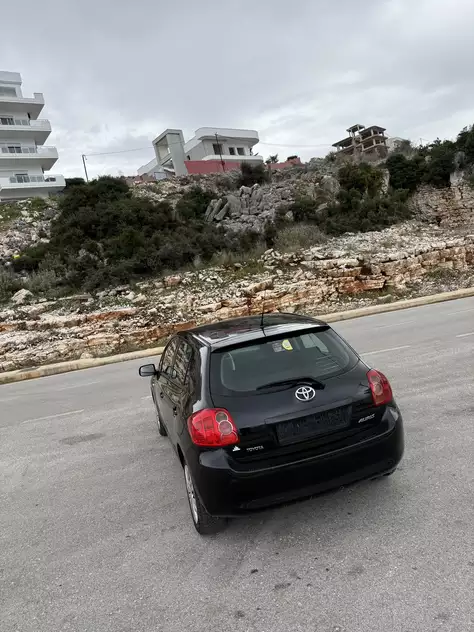
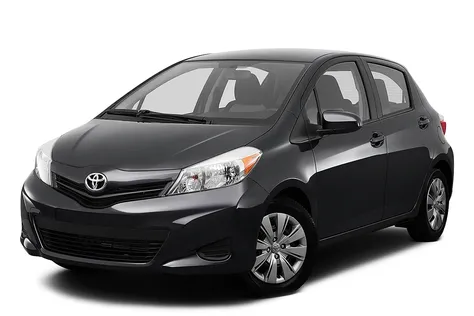
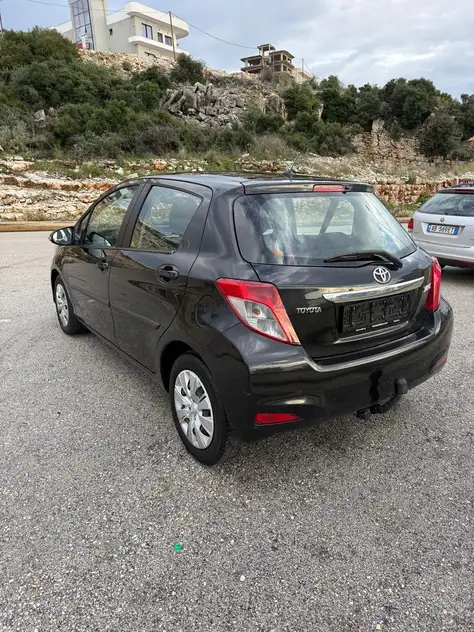
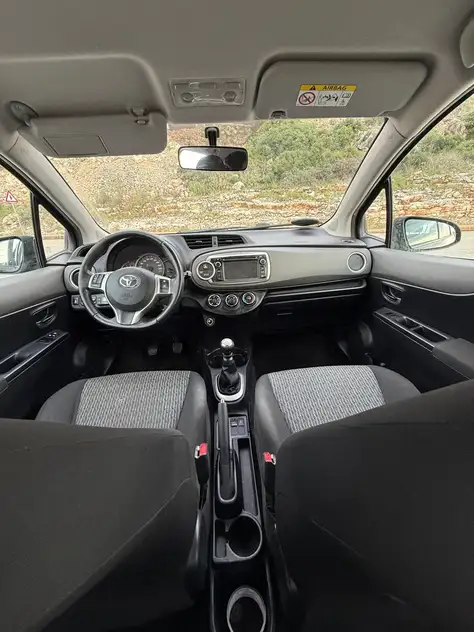
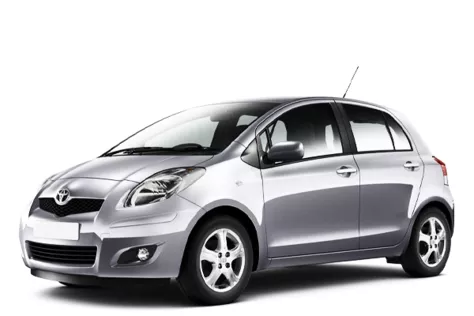
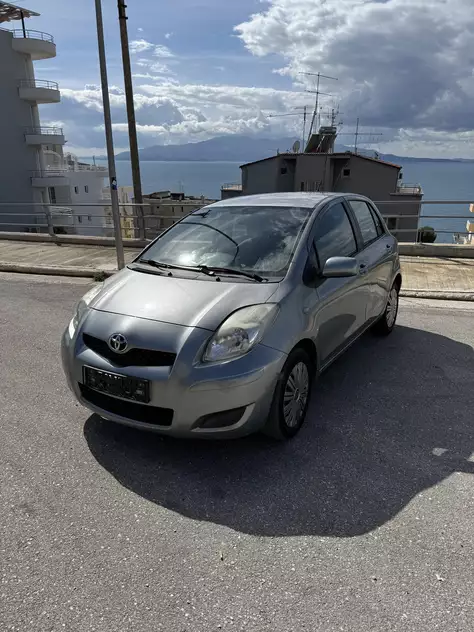
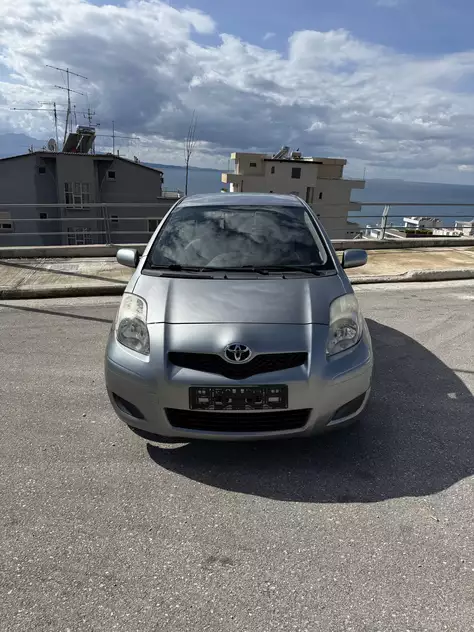
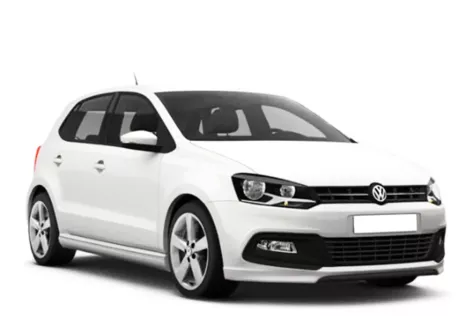
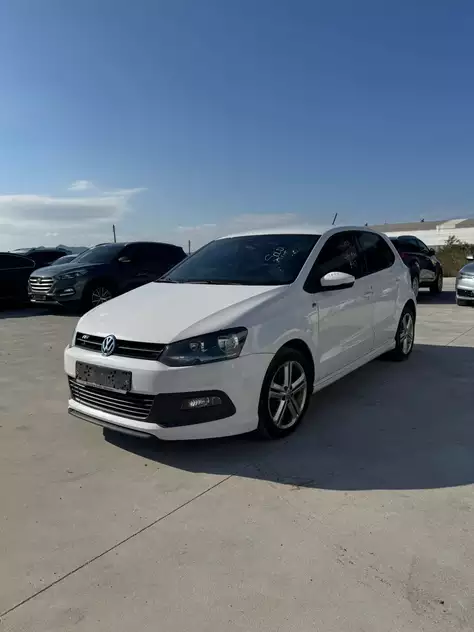
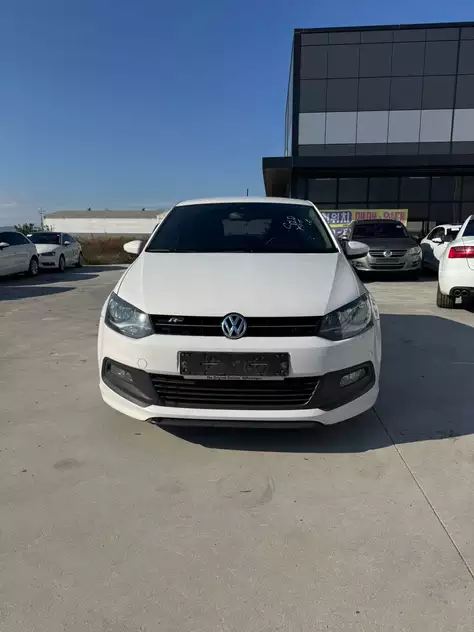
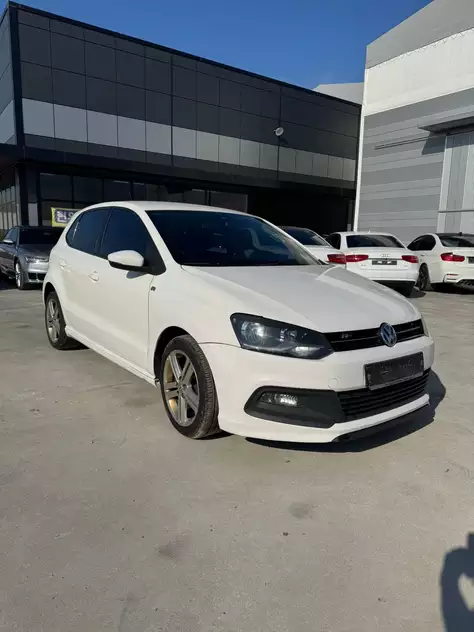
Covers every paved route from Gjirokastër without issue. Easy to park in the lower city, fuel-efficient on mountain roads. Typical models: Seat Ibiza, VW Polo, Toyota Yaris. From €30/day. The right choice for most visitors doing the southern Albania loop.
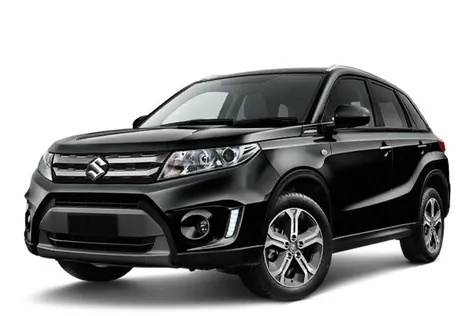
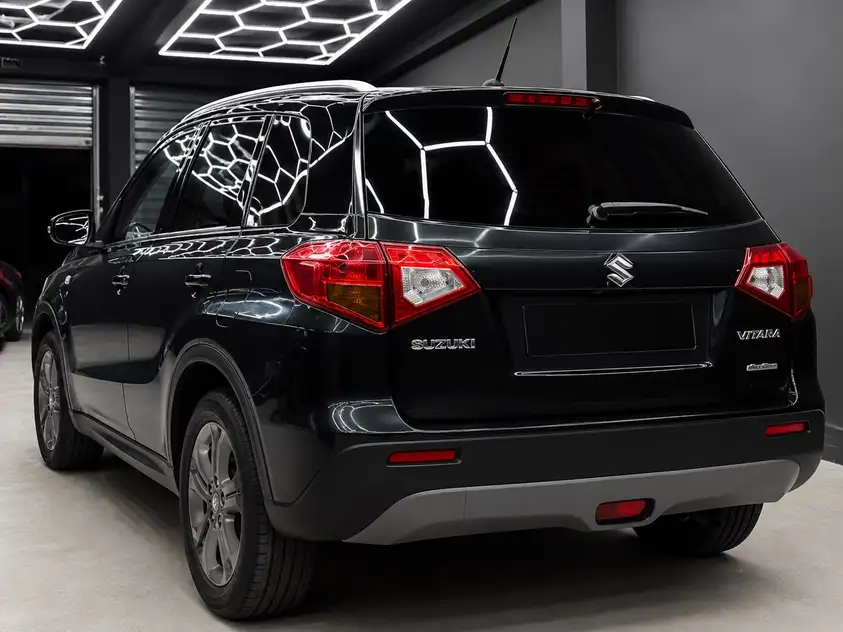
Compact SUV
Higher ground clearance is useful if you plan to explore minor roads to villages or archaeological sites beyond the main tarmac routes. Recommended for longer itineraries covering multiple regions. Typical models: Renault Captur, Seat Arona, Hyundai Tucson. From approximately €46/day.
Automatic Transmission
Albanian mountain roads involve constant gear changes. Drivers who prefer automatic gearboxes will find the Gjirokastër region significantly less tiring in an auto. Specify at booking — availability is more limited than manual, so book early, particularly June–August. Premium of €6–€12/day typically applies.
Category
Example Models
Low Season
High Season
Suits
Economy / Mini
VW Polo, Toyota Aygo, Seat Mii
From €30/day
From €38/day
Solo / Couple
Compact Hatchback
Seat Ibiza, Renault Clio, Opel Astra
From €34/day
From €44/day
2–3 People
Mid-Size Saloon
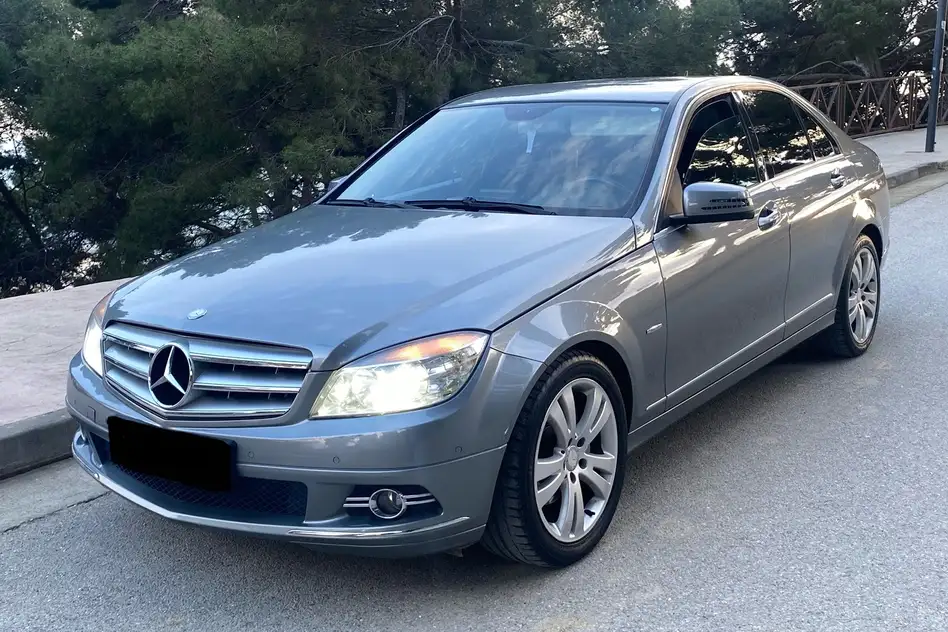
Toyota Corolla, Seat Leon, Kia Ceed
From €40/day
From €52/day
4 People / Families
Compact SUV
Seat Arona, Hyundai Tucson, Renault Captur
From €46/day
From €60/day
Mountain / Group
Automatic (any class)
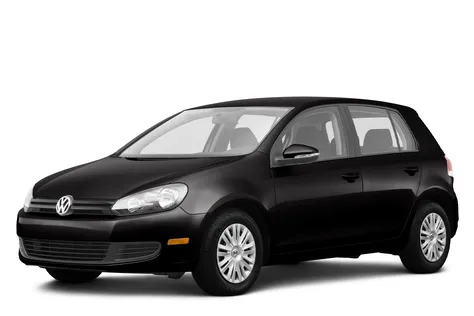
Toyota Corolla Auto, VW Golf Auto
From €42/day
From €54/day
Comfort Driving
*Rates are indicative and vary by supplier, availability, and season. Book 3–5 weeks ahead for the best rates. All prices include basic insurance; full zero-excess cover is available as an upgrade.
Day Trips from Gjirokastër — Distances and Routes
Gjirokastër sits at the centre of southern Albania’s most historically dense region. All routes below are on paved roads and accessible in a standard rental car:
Antigonea Ruins
The Hellenistic city founded by Pyrrhus of Epirus in the 3rd century BC. Grid-planned streets, public squares, early Christian church ruins, and panoramic valley views. Almost no other visitors on most days. Entrance approximately €2–3.
14km east~30 min drivePaved, all cars
Bënja Thermal Baths, Përmet
Natural geothermal pools beneath a 17th-century Ottoman stone bridge. Tour operators charge €150–200+ per couple for this trip. By rental car, you pay fuel only — roughly €8–12 return. Combine with lunch in Përmet town for a full day out.
~60km northeast~1 hour drivePaved, all cars
Sarandë and the Blue Eye Spring
Sarandë is 75km west on the SH4. The Blue Eye (Syri i Kaltër) is a natural spring 25km from Sarandë with deep cobalt-blue water rising from an underground karst system. Both are accessible together in a single day from Gjirokastër and are effectively impossible to reach by public transport on your own schedule.
75km to Sarandë~1hr 15minSH4 West, paved
Berat — UNESCO City to the North
The SH4/SH73 paved route from Gjirokastër to Berat runs through the Vjosa River valley — 120km, approximately 1 hour 45 minutes. Berat’s Ottoman Mangalem quarter, Byzantine citadel, and Onufri Museum of iconography justify at minimum a full day visit. Stay overnight if your schedule allows. The Komar shortcut between the two cities is not for standard rentals — take the SH4/SH73 route.
~120km north~1hr 45minSH4 + SH73, paved
Kakavi — Albania/Greece Border
The Kakavi border crossing connects to Ioannina (60km south in Greece) and on to Athens, Igoumenitsa, and Corfu ferries. Confirm your supplier’s cross-border policy at booking. If cross-border travel isn’t permitted, you can park in Gjirokastër and cross on foot, or drop the Albania rental car and hire fresh in Greece.
22km south~25 min drivePaved, check policy
Tirana — One-Way Return
If you’re finishing your Albania trip in Gjirokastër, a one-way rental car to Tirana or Tirana Airport is 230km north on the SH4 — approximately 3 to 3.5 hours. Popular with travellers completing the southern loop who fly home from Tirana. Confirm the one-way drop-off fee at booking; it varies between suppliers.
~230km north~3–3.5 hoursSH4 North, paved
Driving in the Gjirokastër Region — What to Know
Road conditions
The SH4 — Gjirokastër’s main connection north to Berat and Tirana and south to Sarandë — is good paved road throughout. The SH73 to Berat via the Vjosa Valley is also paved. Approach roads to villages, archaeological sites, and viewpoints vary: some are good gravel, others are rough tracks. Google Maps and Maps.me sometimes route you onto tracks that satellite view makes look like roads. When in doubt, ask at your accommodation before departing.
Speed limits and enforcement
Urban areas: 40km/h. Open roads: 80km/h. Motorway sections: 110km/h. Fixed speed cameras are present on the SH4 between Gjirokastër and Tepelenë — positions are known but not all marked. Traffic police conduct roadside stops, particularly near town entries. Carry your driving licence, passport, vehicle registration, and insurance certificate at all times.
Night driving
Roads outside Gjirokastër’s town limits are largely unlit. Livestock on roads at night — cattle, horses, and occasionally sheep — is a real hazard on rural routes. Reduce speed substantially after dark on any road outside the city. If your day trip to Antigonea or Përmet runs late, factor extra time for the return. The SH4 through larger towns has streetlighting but the open stretches between them are dark.
Fuel in Gjirokastër
Petrol stations in Gjirokastër are located on the main boulevard (Bulevardi 18 Shtatori) and on the northern approach road from the SH4. Fill up before heading to Antigonea or Përmet — rural stations are sparse. Confirm petrol or diesel when you collect the vehicle. Albania’s fuel prices are slightly below EU averages — roughly €1.45–€1.60/litre for unleaded in 2024/25.
Navigation
Google Maps is reliable on all paved routes around Gjirokastër. Maps.me (downloadable offline) is better for rural tracks and village approaches. Download offline maps for the Gjirokastër region before leaving your accommodation. Mobile signal drops on mountain passes above 800m — the approaches to Antigonea can have patchy signal. The actual navigation for these routes is simple enough that you can manage from a written note if needed.
Documents required
Carry at all times: full driving licence (held for minimum 12 months), vehicle registration document from the hire company, insurance certificate, and photo ID. UK, EU, US, Canadian, Australian, and New Zealand licences are accepted directly. Licences in non-Latin script require a valid International Driving Permit obtained before travel.
Frequently Asked Questions — Car Hire in Gjirokastër
A valid driving licence held for at least 12 months, your passport, the credit or debit card in the main driver’s name, and your booking voucher. UK, EU, US, Canadian, Australian, and New Zealand licences are accepted directly by most Albanian suppliers. If your licence uses a non-Latin script (Arabic, Chinese, Japanese, etc.), you need a valid International Driving Permit obtained before travel. Albanian traffic police can stop any vehicle for document checks — keep all documents in the car at all times.
Not with most suppliers. The majority of Albanian rental companies do not permit driving into Greece without explicit written permission, and many prohibit it entirely. Check this at booking — not at pickup. If your supplier doesn’t allow it, the practical options are: park in Gjirokastër and cross on foot (taxis and buses to Ioannina operate from the Greek side), or do a one-way drop-off in Gjirokastër and hire fresh in Greece. Don’t attempt a cross-border trip without written permission — it voids your insurance.
The main options are: free street parking on Bulevardi 18 Shtatori (15–25 minutes uphill walk to the old town), the small car park just below the castle entrance (tight access road, compact cars recommended), paid parking on the approach roads to the old bazaar (€0.50–1/hour), and roadside parking near the bus station (800m from centre). Do not drive into the stone-cobbled lanes of the old town — these are pedestrian only. If staying overnight in the upper old town, confirm parking arrangements with your guesthouse before arrival.
The correct route for standard rental cars is the SH4 south from Berat to Tepelenë, then the SH73 east to Gjirokastër — approximately 120km, 1 hour 45 minutes. The Komar shortcut that some apps suggest is significantly shorter but requires a 4×4 with high ground clearance and is not covered by standard rental insurance. Take the SH4/SH73 route. It’s good tarmac throughout and the Vjosa valley section is pleasant driving.
Effectively no. Antigonea is 14km east of Gjirokastër near Saraqinishtë and has no public bus connection. A taxi from Gjirokastër is possible (negotiate a round-trip rate including waiting time at the site — expect to pay €15–25 depending on the driver), but a rental car gives you the flexibility to combine Antigonea with other stops on the same day without negotiating waiting fees. The drive is 30 minutes on paved road in any standard car.
21 years old with most suppliers. Drivers aged 21–24 typically pay a young driver surcharge of €6–€12/day on top of the standard rate. Drivers 25 and over pay the standard rate with no age supplement. Maximum age restrictions vary by supplier but rarely affect most travellers. Confirm the specific age policy for your chosen vehicle when booking, as terms differ between operators at the Gjirokastër location.
Tour operators charge €150–200+ per couple for a Bënja Thermal Baths day trip from Gjirokastër, including transport and a guide. In a rental car, the same trip costs fuel — approximately €8–12 return in a standard economy car on the 60km route. The road is paved throughout and no 4×4 is needed. If you’re already renting a car for other routes, the thermal baths add no meaningful cost beyond fuel and are straightforwardly accessible without a guide.
No, for the main routes. Antigonea, Bënja Thermal Baths, Sarandë, the Blue Eye Spring, Berat via SH4/SH73, and the Kakavi border crossing are all on paved roads accessible in any standard economy car. A 4×4 is only required if you specifically want to drive the Komar shortcut between Berat and Gjirokastër, or if you plan to explore unmaintained tracks to remote villages. For the standard Gjirokastër itinerary, an economy hatchback handles everything on this page without issue.
Economy and mini car categories start from €30/day in low season through Rentrals at the Gjirokastër location. This rate includes basic CDW insurance. To consistently reach the lower end of the price range, book 3–5 weeks ahead and travel outside July and August. Weekly rates offer a better per-day cost than daily bookings if your stay is 5 days or longer. Adding full zero-excess insurance is worth the additional €4–8/day given Albania’s variable road surfaces.
Yes — one-way rentals from Gjirokastër to Tirana or Tirana Airport are a standard request and are available through Rentrals. The route is 230km north on the SH4, approximately 3 to 3.5 hours. A one-way drop fee applies — typically €30–80 depending on the supplier — and should be confirmed at booking, not on the day of travel. This is the most practical option for travellers finishing the southern Albania loop who fly home from Tirana.
Yes, with a hire car. Sarandë, the main gateway to the Albanian Riviera, is 75km west of Gjirokastër on the SH4 — about 1 hour 15 minutes. Himarë, the central Riviera town, is about 95km and 1 hour 30 minutes. The Riviera towns are close enough for a day trip each, though staying along the coast for a few nights and making Gjirokastër a day trip from there is equally practical depending on your priorities.
Photograph every panel, the windscreen, all four tyres, and the interior before driving away. Walk the full exterior including the roof if reachable, the underside of door sills, and the inside of wheel arches. Confirm every existing scratch, dent, or chip is on the condition report and signed off by the supplier representative before you accept the keys. Keep the photos on your phone until you receive written confirmation of a clean return. This takes 10 minutes and removes any ambiguity if a damage dispute arises.
Book Your Car Hire in Gjirokastër
100+ vehicles from €30/day. No deposit options, full insurance, unlimited mileage, and city delivery to your accommodation in Gjirokastër.
.webp?1749027365)
.webp?1740978940)
.webp?1740979296)
.webp?1745437555)
.webp?1782649535)
.webp?1782649531)
.webp?1782649534)
.webp?1696451733)

 Worth knowing before you arrive: Gjirokastër’s old town is built on a steep hillside with stone-cobbled lanes that are pedestrian routes, not roads. The city’s layout means your rental car parks at the lower level and you explore on foot. Understanding where to park before arrival saves the frustration of discovering the old town’s geography with luggage in the boot. The full parking guide is below.


 Route summary: Gjirokastër → Saraqinishtë → Antigonea. Distance: 14km. Drive time: approximately 30 minutes. Road: paved throughout, suitable for all standard rental vehicles. Entrance fee: ~€2–3. Crowds: minimal year-round — this is one of the most genuinely quiet archaeological sites in the southern Balkans.
 Cross-border rental car rules — confirm at booking, not at pickup: Most Albanian rental suppliers do not permit driving into Greece without explicit written permission, and many prohibit it entirely. Do not assume cross-border travel is included. Check your specific supplier’s terms when you book. Discovering the restriction at the border with a loaded car is a poor position to be in.
 Compact SUV
 Automatic Transmission


 Road conditions
 Speed limits and enforcement
 Night driving
 Fuel in Gjirokastër
 Navigation
 Documents required