Car Rental in Ambalangoda — Sri Lanka’s Mask Capital, South Asia’s Longest Buddha
Ambalangoda’s masks aren’t decorative. The 18 Sanni masks — each carved
to represent a specific disease-demon, each worn in an all-night healing ritual where
a shaman dances the illness away from a patient — form one of the most complete ritual
medical systems ever expressed in art. This is where that tradition lives, and where
the masks are still being carved.
Within 35 minutes of here by rental car: the Ariyapala Mask Museum workshop,
South Asia’s longest reclining Buddha at 35 metres, the
Meetiyagoda Moonstone Mine (the source of roughly 80% of the world’s gem-quality
blue moonstones), and Galle’s UNESCO Dutch Fort. Cars from $23 a day,
full fleet automatic, city delivery available.
Ambalangoda town is compact. The main A2 attractions — the Ariyapala Mask Museum,
the Dutch Courthouse, the beach — are within walking distance or a short tuk-tuk
ride. But a car hire Ambalangoda Sri Lanka booking opens a radius that a tuk-tuk
can’t cover conveniently.
The Meetiyagoda Moonstone Mine is 10km inland on a road that has no practical bus
service from the A2. The Galgoda Temple’s 35-metre reclining Buddha requires your
own transport to reach efficiently. Balapitiya’s Madu Ganga river safari is 5km
north. Hikkaduwa’s coral reef is 10km south. Galle’s UNESCO Dutch Fort is 35km
and 45 minutes away.
A car also lets you arrive before tour groups. The mask museum at 8:30am has a
different quality from the mask museum at 11am. Rent a car Ambalangoda and you
control that. The moonstone mine before the midday heat, the river safari before
late afternoon traffic — all within reach of a single base.
The 18 Sanni masks: Sri Lanka’s medical cosmology in wood
Before questions about where to park or what to pay for entry, there is a question
worth sitting with: what kind of society creates a complete taxonomy of 18 specific
diseases, assigns a demon to each, carves a corresponding mask for each demon, and
then trains ritual specialists to dance those demons away?
This is the Sanni Yakuma — the healing exorcism ritual at the heart of what makes
an Ambalangoda car rental mask museum visit genuinely different from any other cultural
stop on the southern coast. The 18 Sanni demons each represent a specific affliction.
In the ritual, a yakaduru (shaman) wears each mask in sequence through the night —
dialoguing with each disease-demon, performing for it, and ultimately driving it away
as the ceremony moves toward dawn.
Kola SanniyaFever
Golu SanniyaDeafness
Wes SanniyaBlindness
Maru SanniyaFatal illness
Deva SanniyaMental disturbance
Jala SanniyaWater-related disease
Vadi SanniyaPain / aches
Naga SanniyaCobra venom
This is not folk medicine in a dismissive sense. It is a complete cosmological
framework — a theory of how illness enters the body, what form it takes, and how
performance, ritual, and art can address it. The 18 masks represent this framework
in carved, painted kaduru hardwood. The Wijesooriya family has maintained the complete
120-mask set across all three traditions — Sanni, Raksha, and Kolam — in an act of
genuine cultural conservation.
Sanni Masks18 disease-demons · healing ritual
Each mask represents a different illness. Worn in sequence through the night by the yakaduru shaman, who dialogues with and expels each disease-demon. A complete medical cosmology expressed through carving and performance.
Raksha MasksProtective demon masks · processions
Terrifying demon faces with bulging eyes, protruding tongues, and serpent hoods — worn in processions as protective symbols against malevolent forces. The Naga Raksha (cobra demon) is the most recognisable, with an elaborate hood of intertwined cobras.
Kolam MasksTraditional masked drama · performance
Used in Kolam Maduwa — one of Sri Lanka’s oldest theatrical traditions. Stories of kings, queens, demons, and comic characters, performed in masks that represent each character type. The tradition predates colonial contact.
The Ariyapala Mask Museum: working workshop and living tradition
The Ariyapala Mask Museum (operated by Ariyapala and Sons) sits on the main A2
road through Ambalangoda. The distinction that matters is this: it is both a museum
and an active workshop. While you walk through displays of Sanni, Raksha, and Kolam
masks, artisans in the adjacent workshop are carving new ones using methods inherited
across generations.
The museum holds hundreds of masks across all three traditions, including some
antique 19th-century pieces. The 18 Sanni masks are displayed with explanations
of the specific disease each represents — which is the right context for
understanding what you’re looking at rather than simply admiring the carving.
A dance school attached to the museum teaches traditional Kolam performance.
On some visits, it’s possible to observe student practice of the masked dance
movements. The shop sells authentic handmade masks at prices substantially
below the mass-produced versions in Colombo markets.
Practical visit details
Detail
Information
Location
Main A2 road through Ambalangoda
Entry
Modest fee applies
Opening hours
Typically 8am–6pm daily
Parking
A2 roadside — available at museum
Workshop viewing
Yes — active carving on site
Dance school
Kolam performance training on site
Shop
Authentic masks, direct from carvers
Best time
8–10am before coach tour arrivals
Car rental advantage: arriving at 8:30am with a car rental in
Ambalangoda gives you 90 minutes before organised group tours begin. The workshop
is quietest — and the carvers are most willing to talk — in that early window.
Galgoda Temple: South Asia’s longest reclining Buddha — 35 metres
Almost no visitor to Ambalangoda knows this. The town’s mask identity so completely
dominates its reputation that its greatest Buddhist monument is essentially invisible
to most travellers who pass through.
South Asia’s longest reclining Buddha
The Galgoda Sailatalaramaya Maha Vihara Temple contains a reclining Buddha statue
35 metres (115 feet) in length — in the parinirvana pose,
representing the Buddha’s final passage into complete nirvana. The expression
is serene. The scale, inside a single temple hall, is extraordinary.
The temple sits on an island in Madampe Lake, reached by a short causeway.
The combination of water, the causeway approach, and the sheer length of the
figure inside the hall makes this one of the more memorable architectural
experiences on the southern coast.
Dress code: cover shoulders and knees; remove footwear at the
temple boundary. Entry is free; donations welcomed. A car rental Ambalangoda
reclining Buddha visit takes under an hour including driving, and pairs well
with the mask museum in the morning — the temple makes a good afternoon stop.
Meetiyagoda: where 80% of the world’s blue moonstones come from
~80% of world supply
Sri Lanka produces approximately 80% of the world’s gem-quality blue moonstones.
Meetiyagoda — 10km inland from Ambalangoda, about 15 minutes by rental car —
is the village at the centre of that production. The moonstone (technically adularia,
a feldspar variety) is Sri Lanka’s national gemstone, prized for its floating
internal glow — the optical phenomenon called adularescence.
The mines use traditional pit-shaft methods: narrow shafts sunk by hand, miners
descending to extract gem-bearing gravel, stones brought to the surface for washing
and sorting. Visits can be arranged to see the full process.
The gem workshops cut and polish stones on site, and direct purchase from the
source is significantly less expensive than buying from Colombo jewellery shops.
The car rental Ambalangoda moonstone mine inland road is 10km on a good local
surface manageable in any standard car.
The complete Ambalangoda cultural circuit by car: mask museum
(morning, A2 town) → moonstone mine (10km inland) → Galgoda Temple reclining
Buddha (afternoon) → return to A2. All three, in one day.
Madu Ganga river safari and the Geoffrey Bawa trail — both within 20 minutes
Balapitiya, 5km north of Ambalangoda on the A2 — 8 minutes by car rental Ambalangoda
Madu Ganga route — is the departure point for river safaris on the Madu Ganga,
Sri Lanka’s second-largest estuary and a Ramsar-designated international wetland.
The 1.5–2 hour boat tour covers mangrove channels, Buddhist river-island temples,
traditional prawn fishermen, monitor lizards, and kingfishers.
Price: 1,500–2,000 LKR per boat (not per person), negotiated at the Balapitiya
bridge departure point.
North of Balapitiya, Geoffrey Bawa’s architectural circuit comes within reach.
Lunuganga Estate — Bawa’s private garden estate, one of the finest designed
landscapes in Asia — is 15km north of Ambalangoda (20 minutes). Brief Garden,
created by his artist brother Bevis Bawa, is 20km north (25 minutes). Neither
property has convenient public transport connections; a rental car is the
practical way to visit either.
For the full Geoffrey Bawa architectural trail guide — including visiting
logistics for Lunuganga, Brief Garden, and the Heritance Ahungalla — see our
Ahungalla car rental page.
Where to go from Ambalangoda by rental car
Ambalangoda sits at the centre of the southern coast’s most concentrated cultural
corridor. Within 25 minutes by car: Sri Lanka’s mask capital, the world’s moonstone
source, South Asia’s longest Buddha, a Ramsar river safari, and two of Geoffrey
Bawa’s greatest works. No other town on the A2 offers this density.
Destination
Distance
Drive time
Why go
Meetiyagoda Moonstone Mine
10km
15 min
80% of world’s blue moonstones — mine visit and direct gem purchase
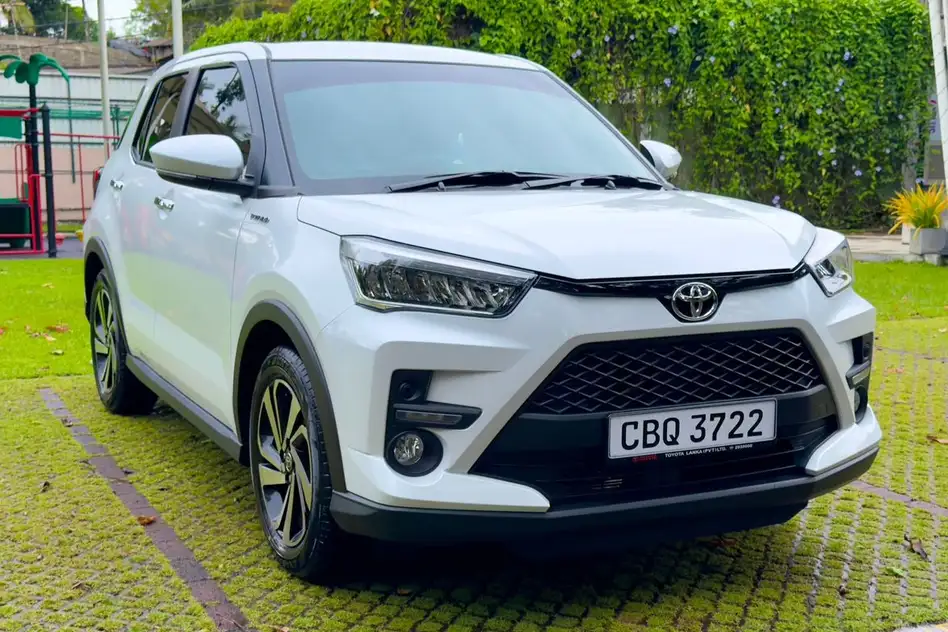
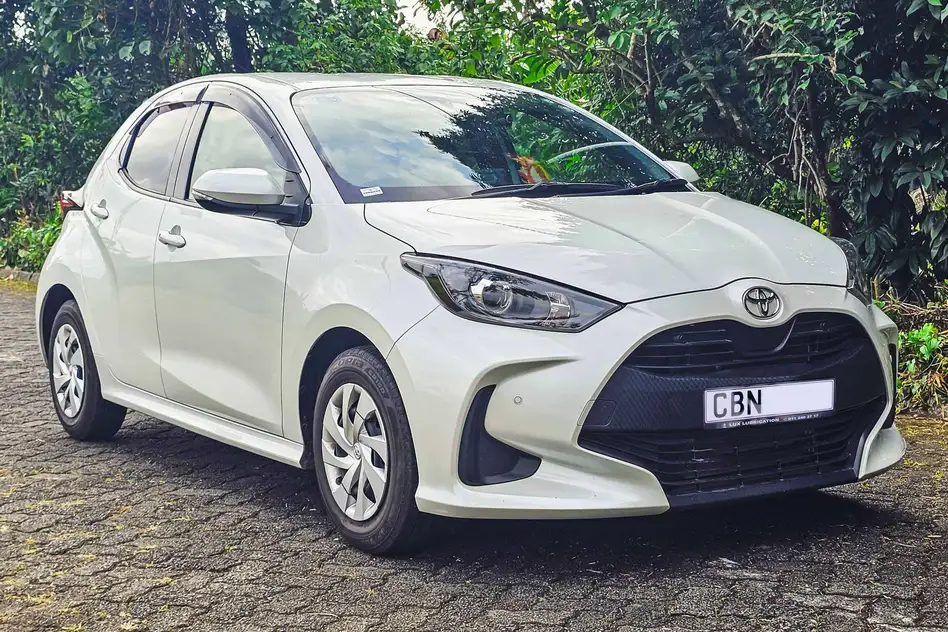
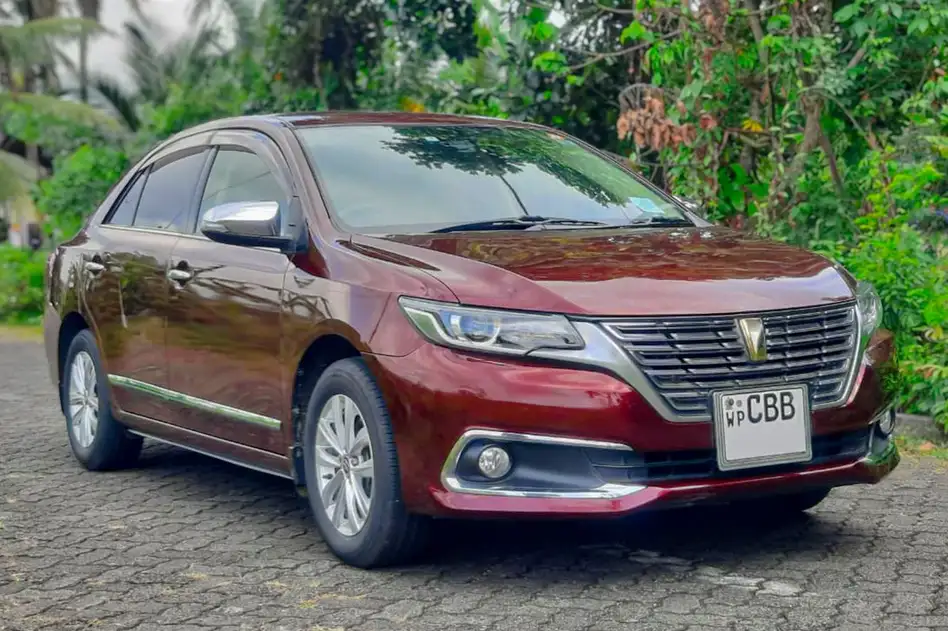
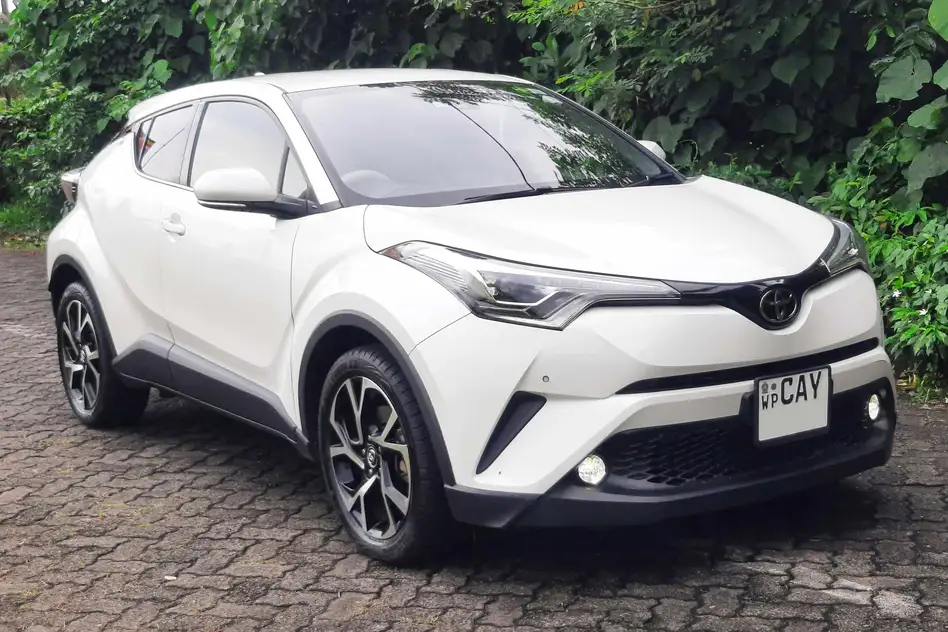
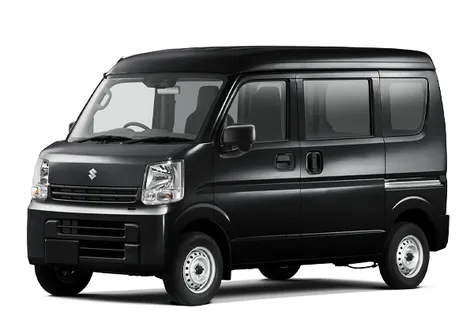
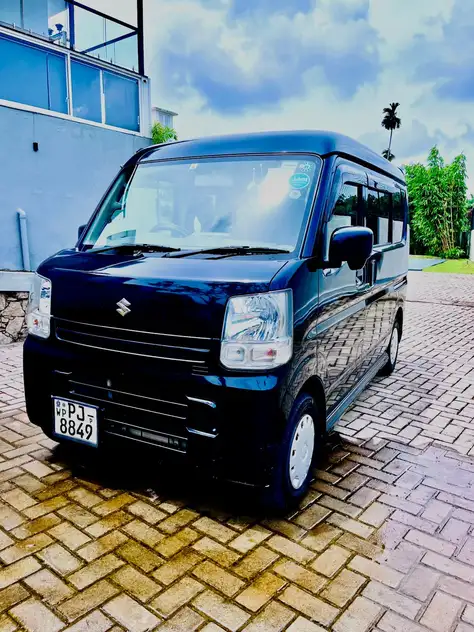
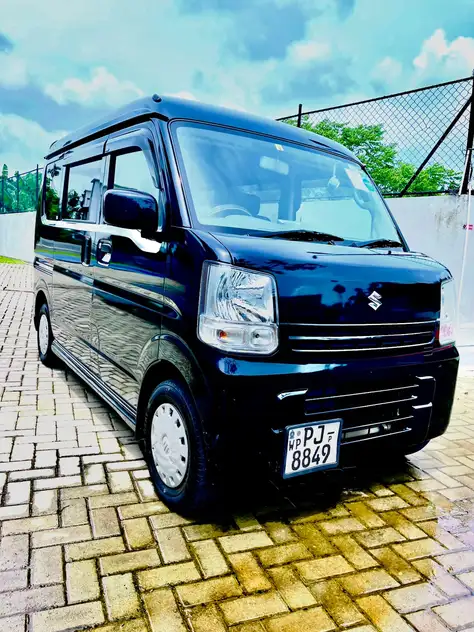
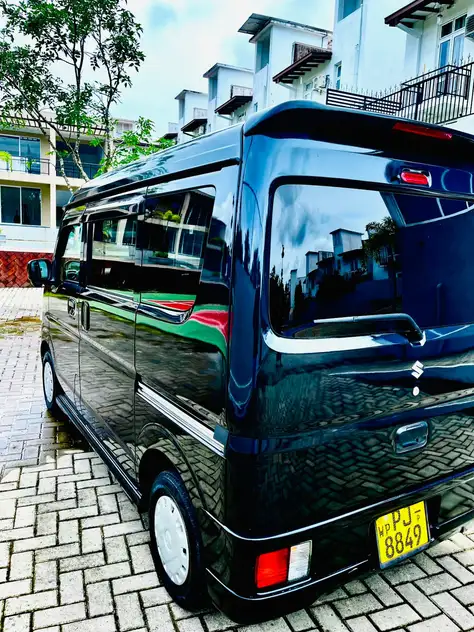
All Ambalangoda rental cars are automatic — well-suited to Sri Lanka’s left-hand traffic. The fleet covers economy hatchbacks through to SUVs. Prices depend on the car selected and the season; rates are updated daily. Southwest monsoon (May–September) affects this coast — plan beach visits for November–April.
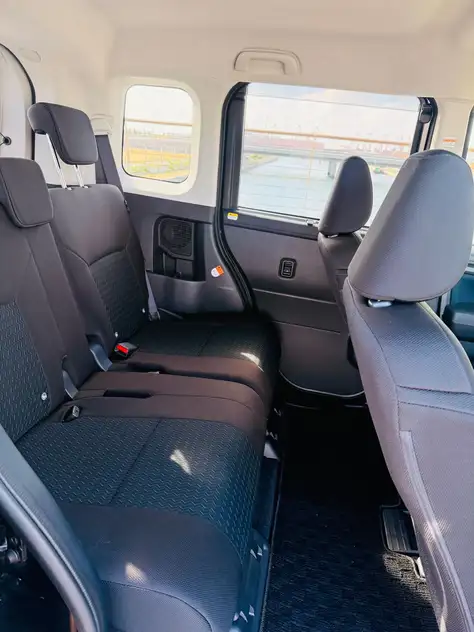
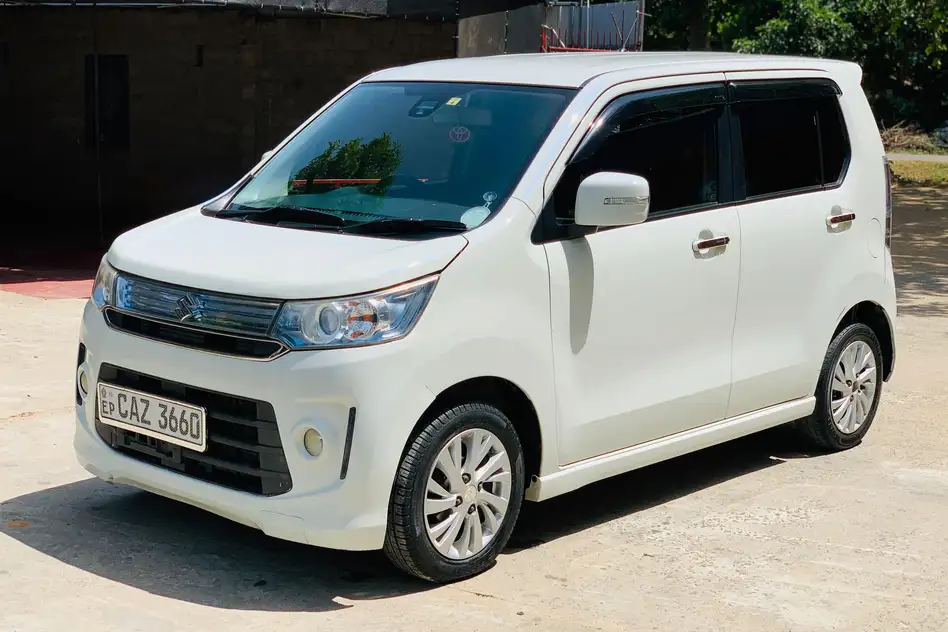
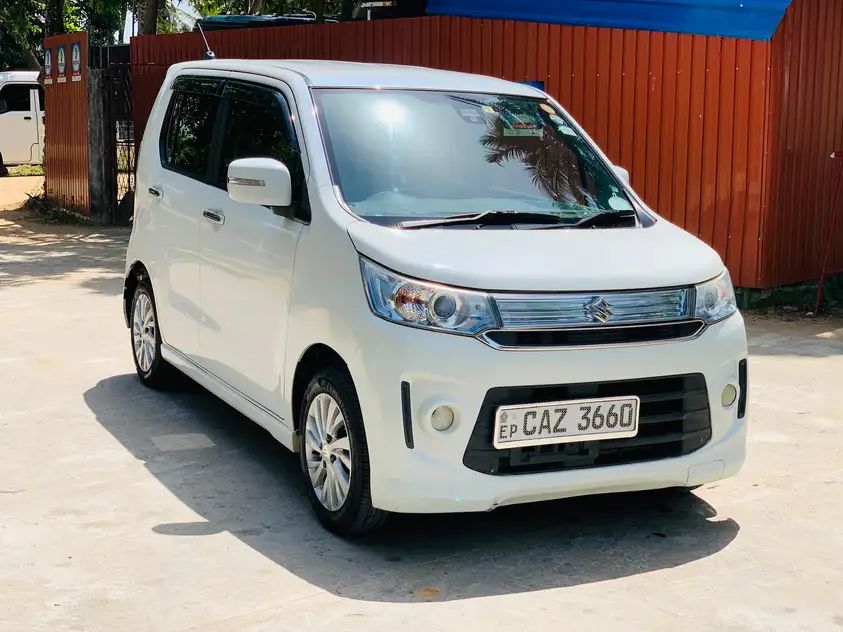
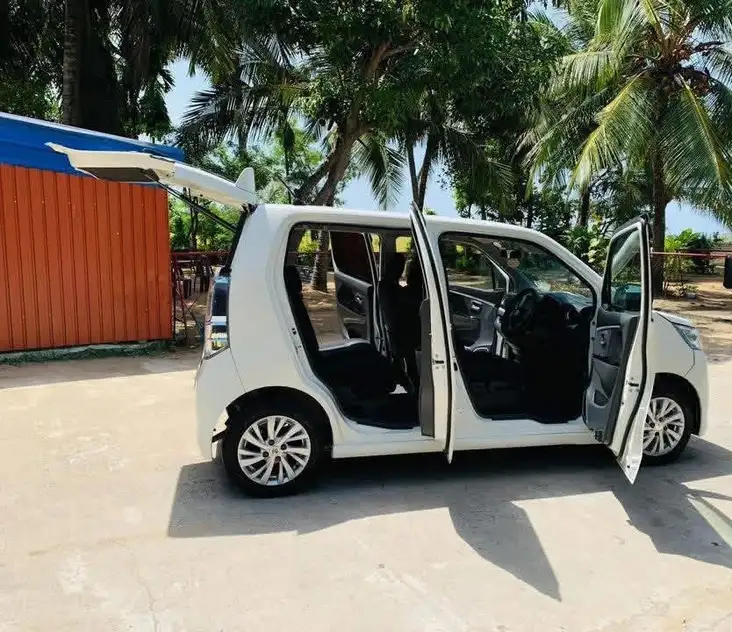
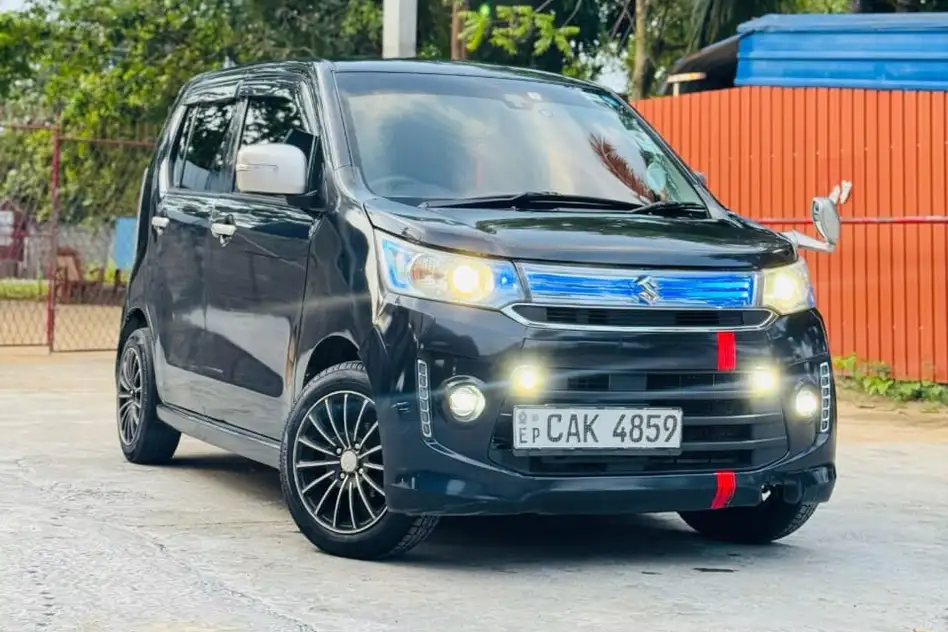
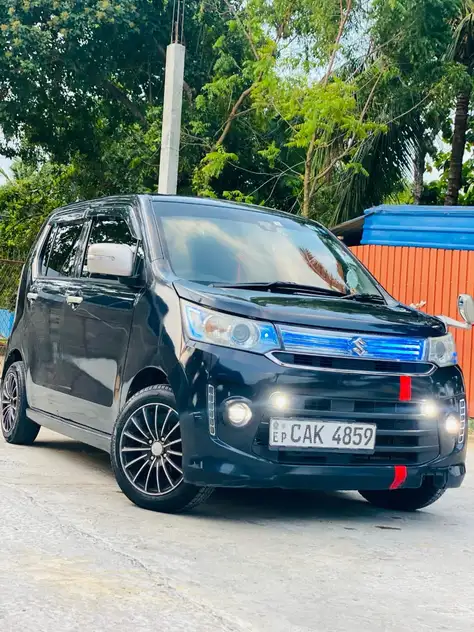
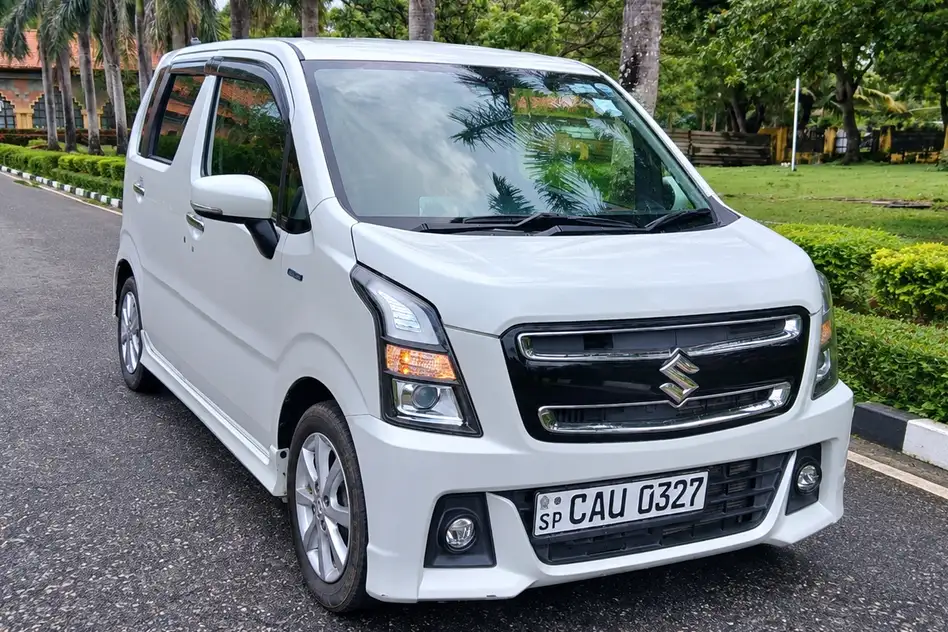
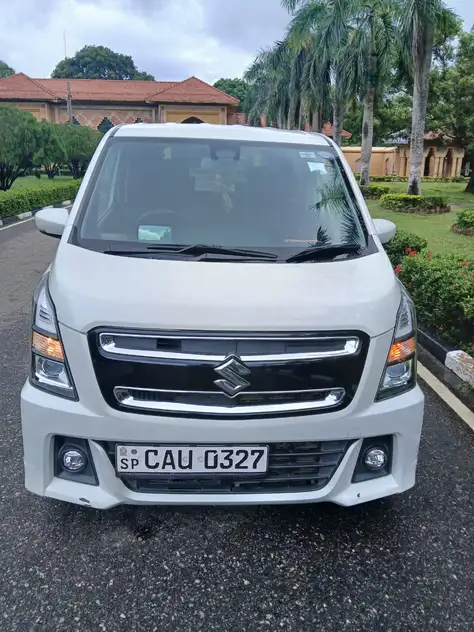
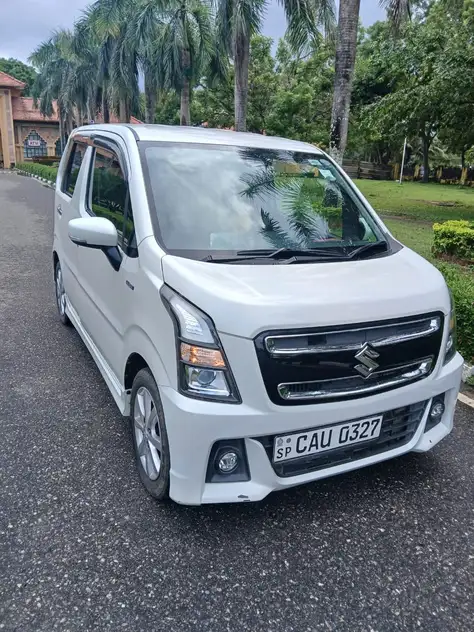
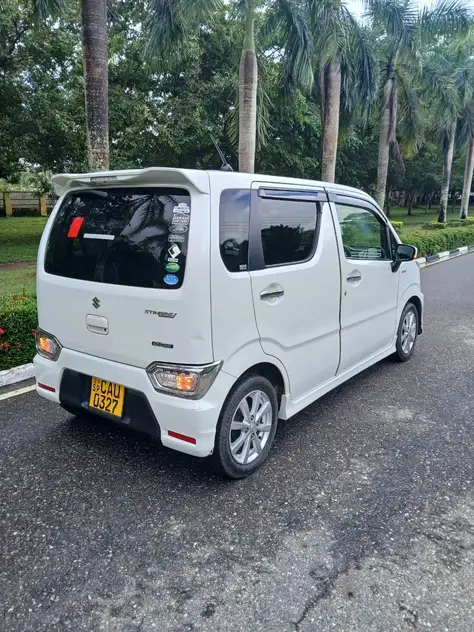
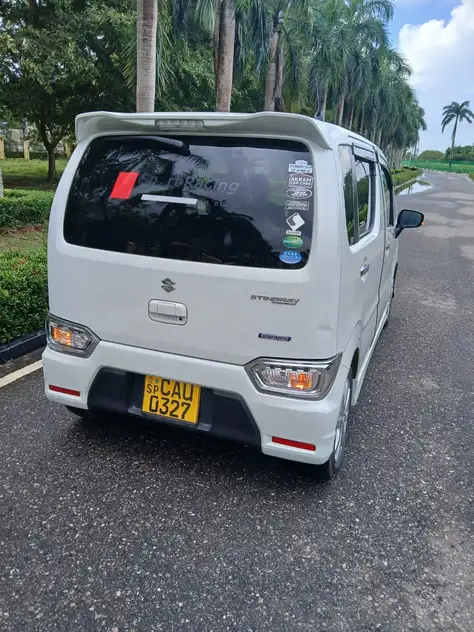
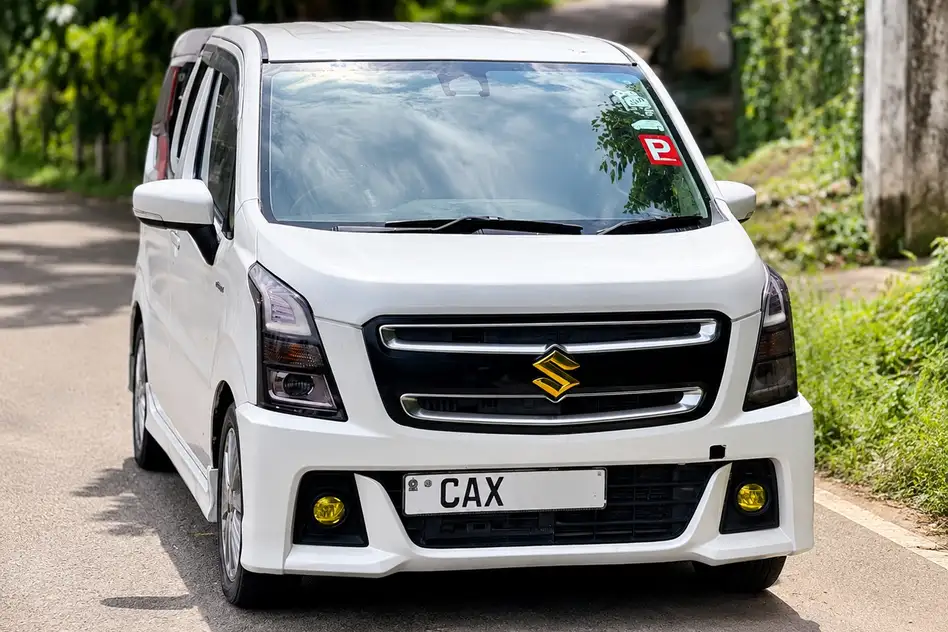
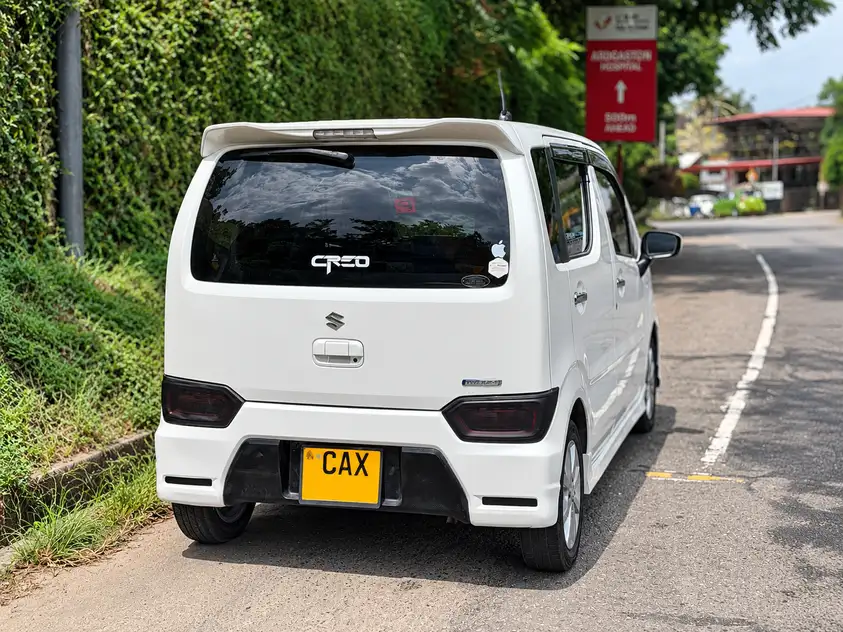
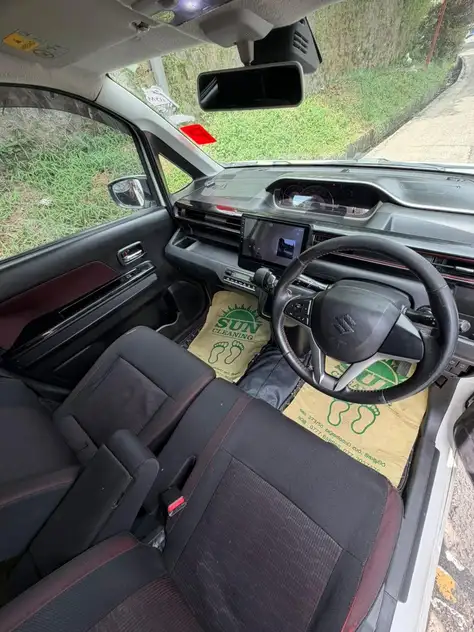
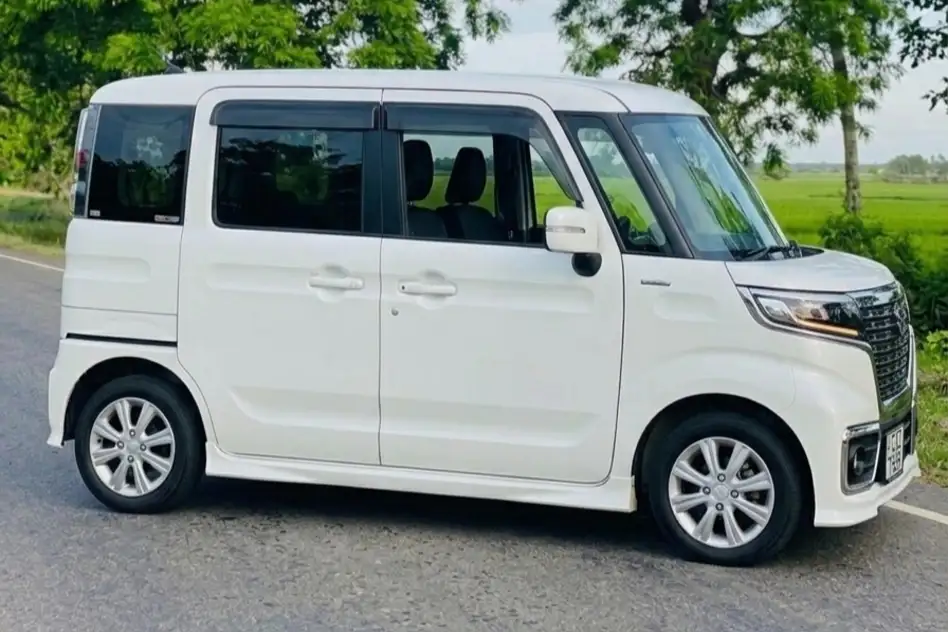
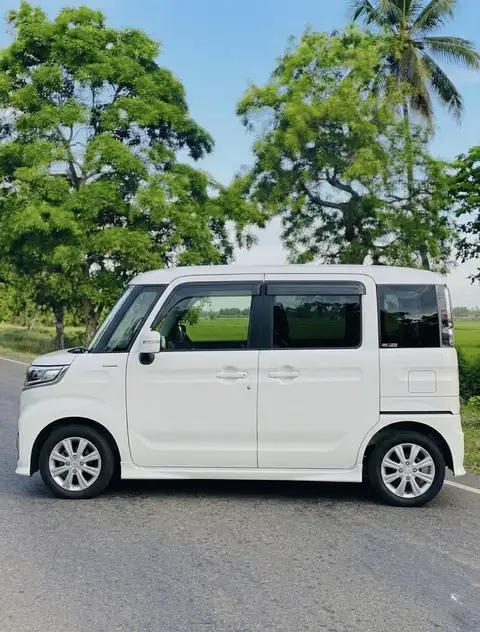
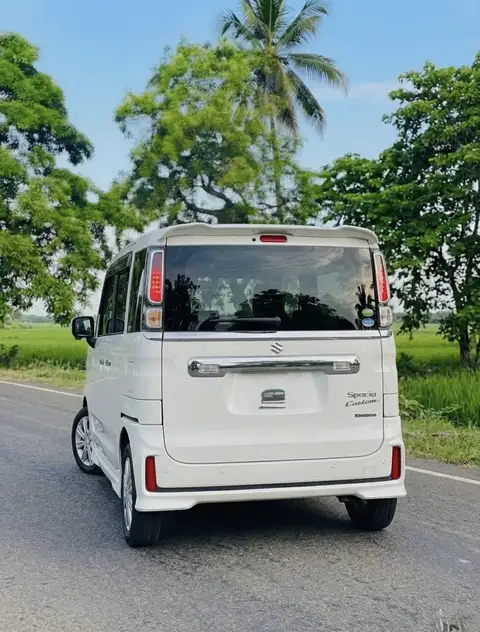
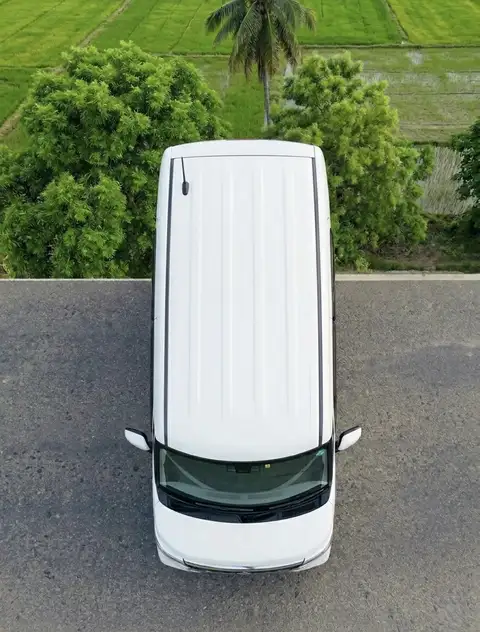
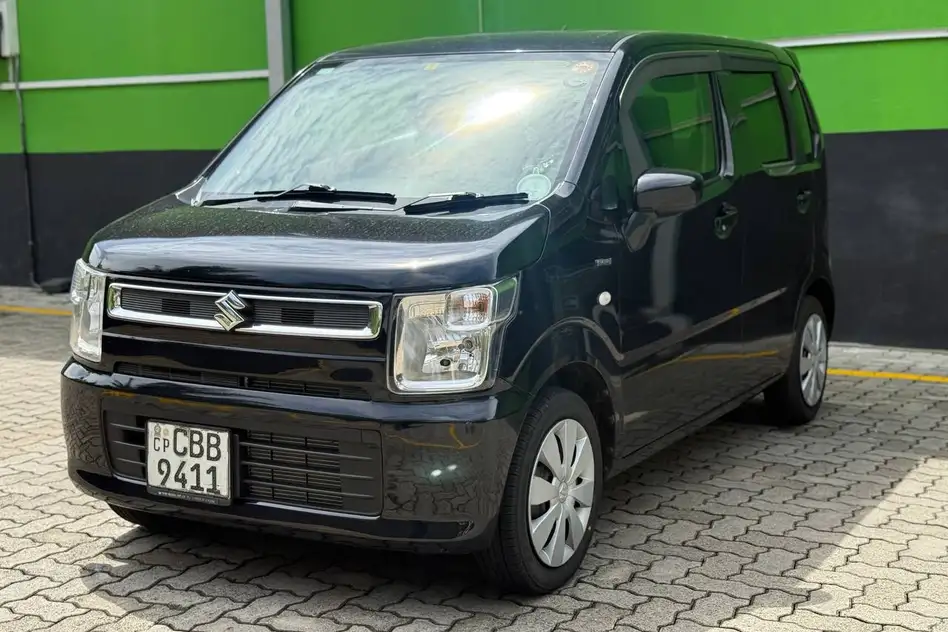
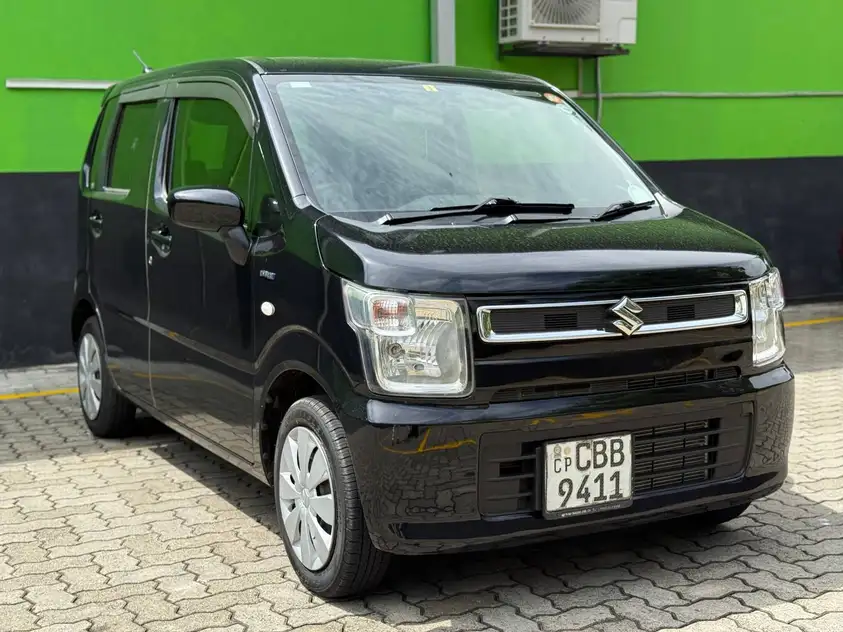
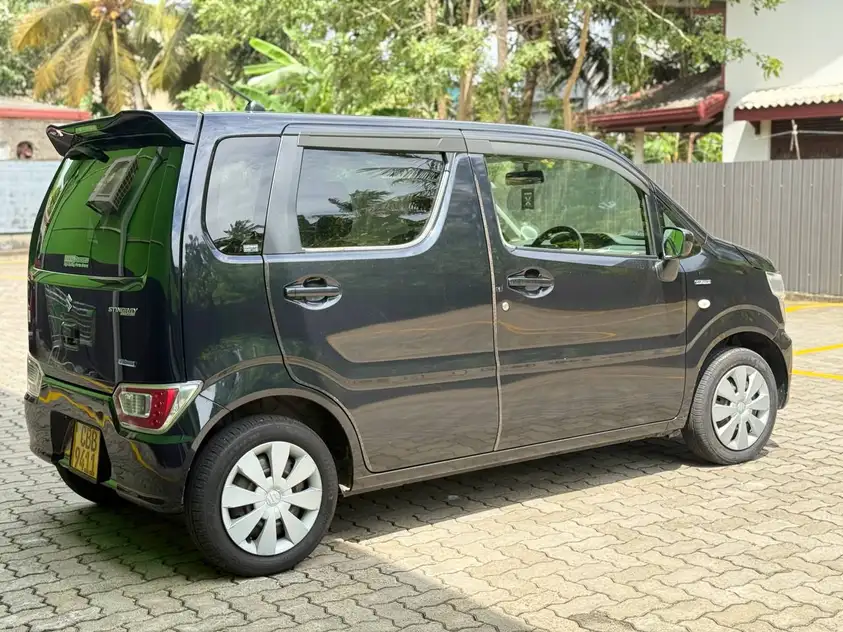
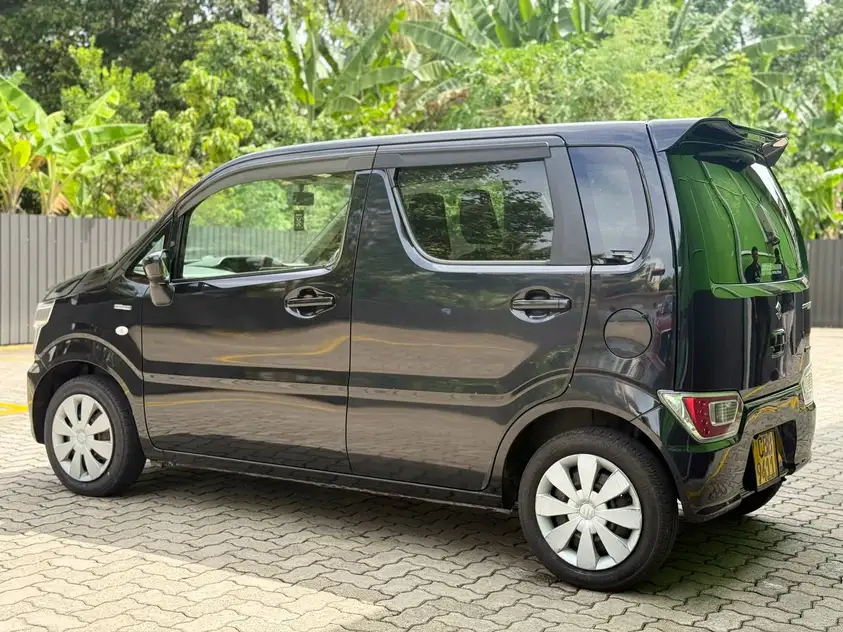
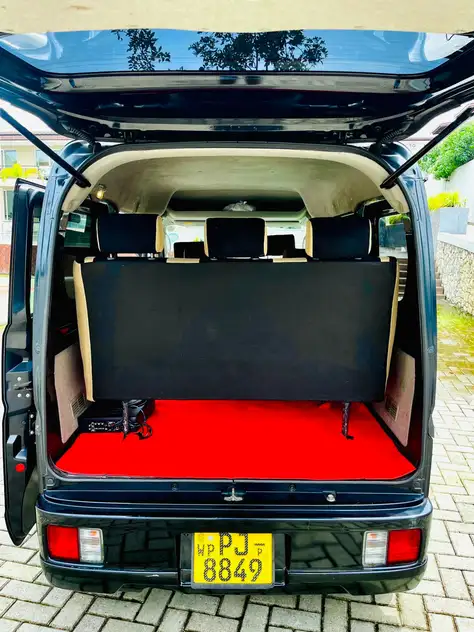
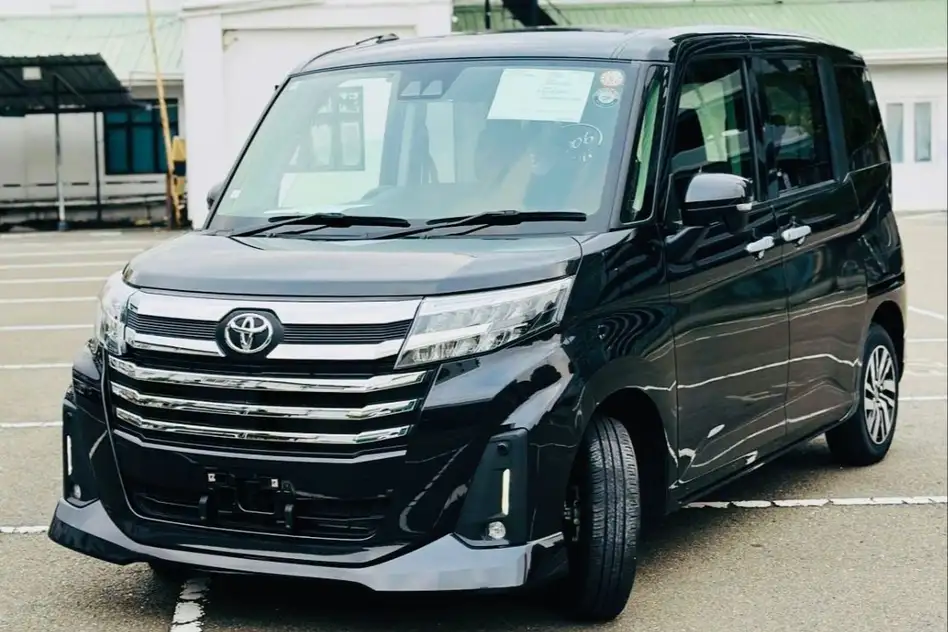
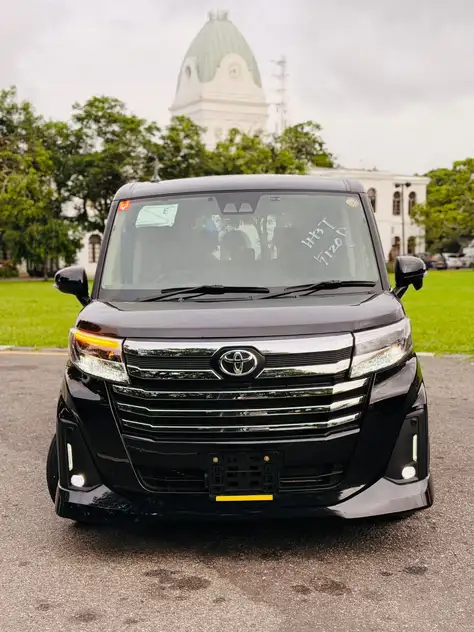
Economy$23/daySuzuki Wagon R · Auto · Town, A2 coastal, moonstone mine
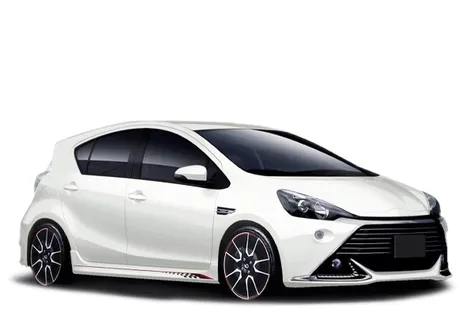
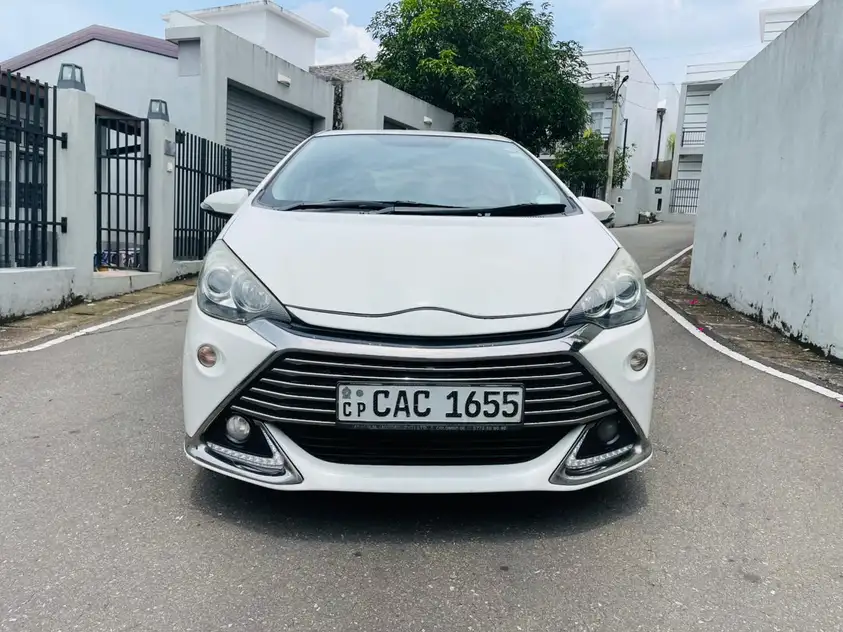
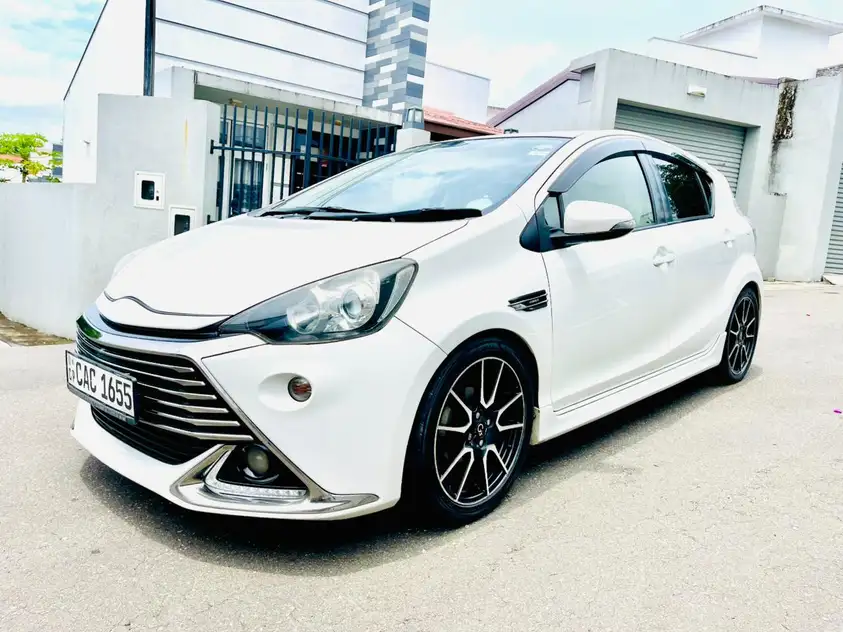
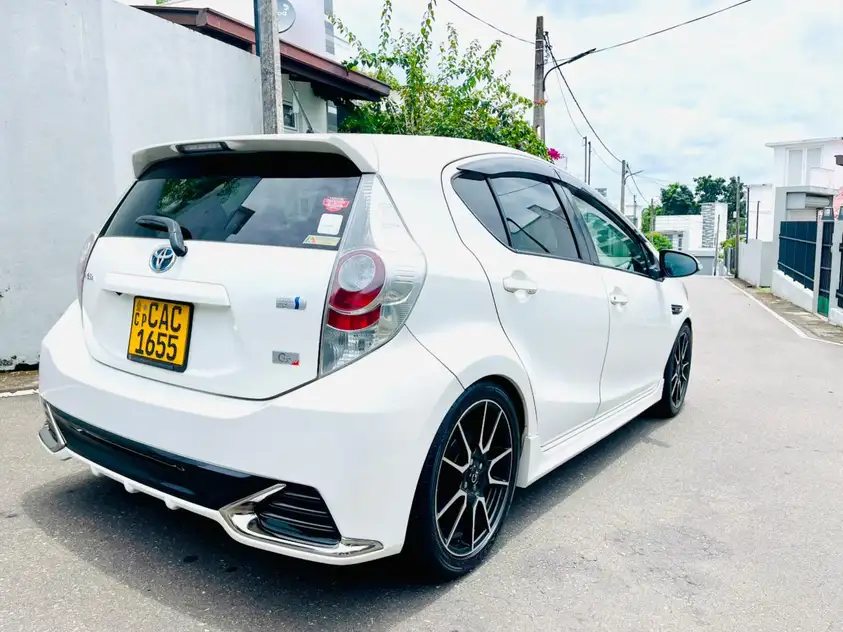
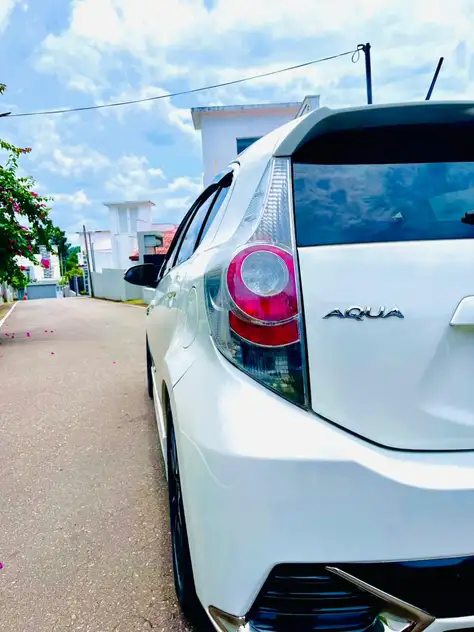
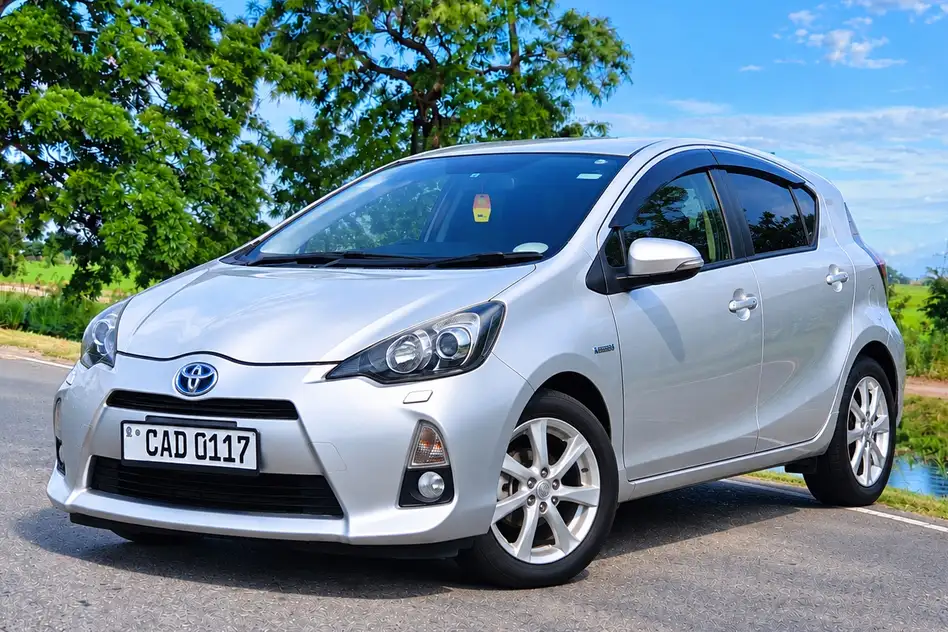
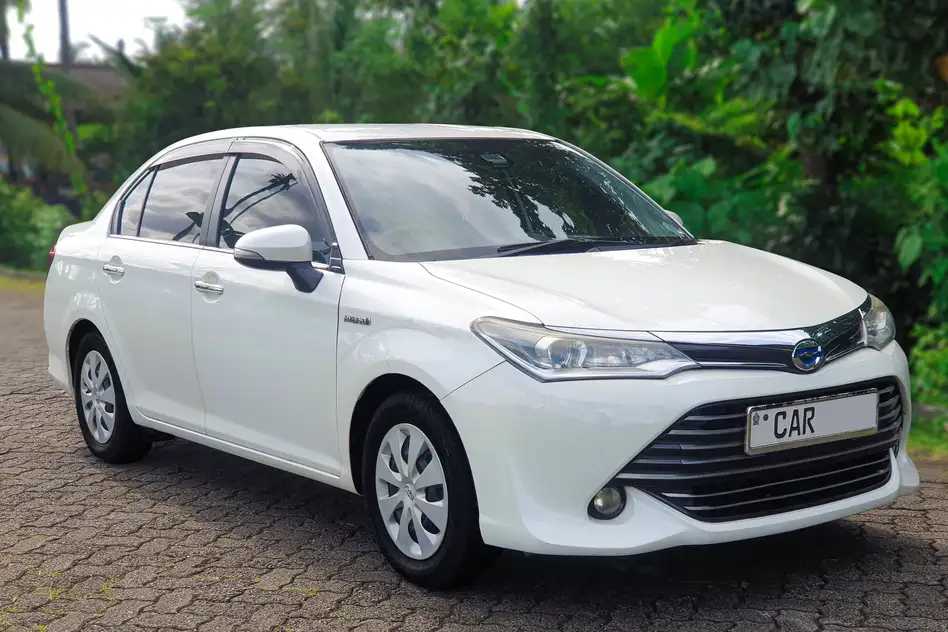
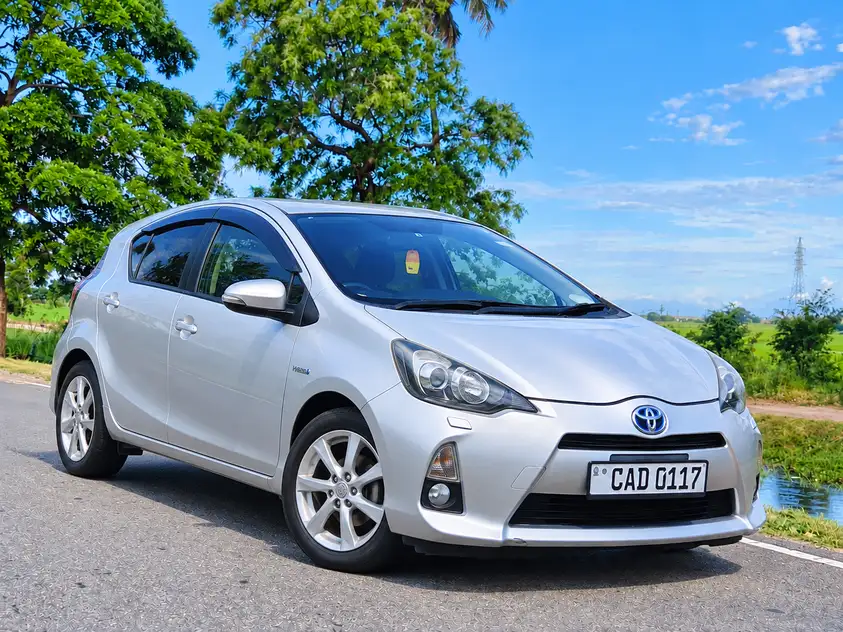
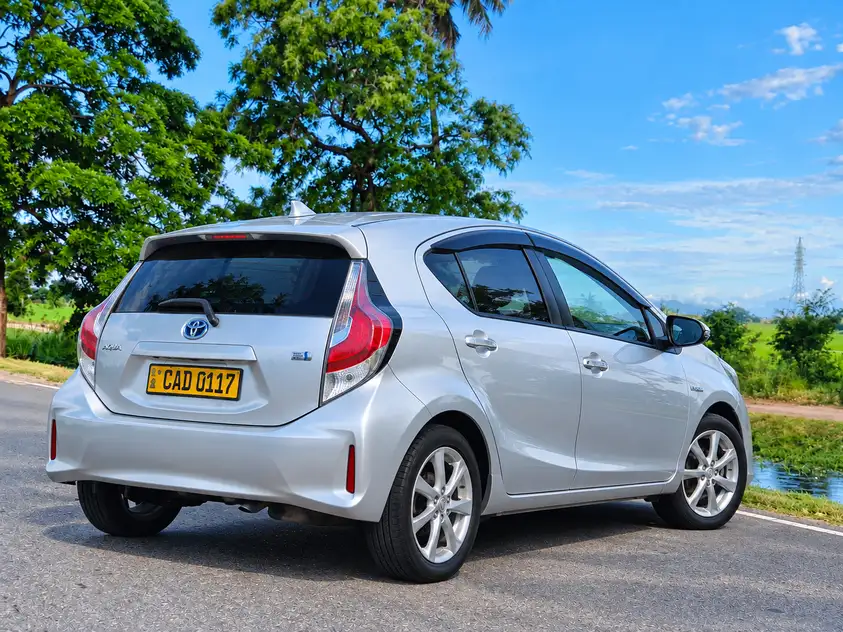
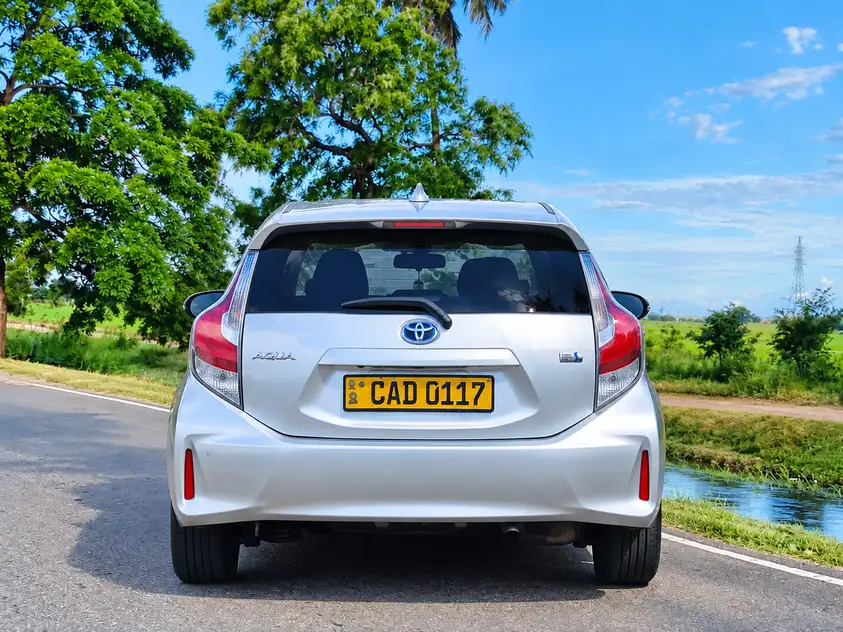
Hybrid Saloon$30/dayToyota Aqua · Hybrid auto · Fuel-efficient multi-site day
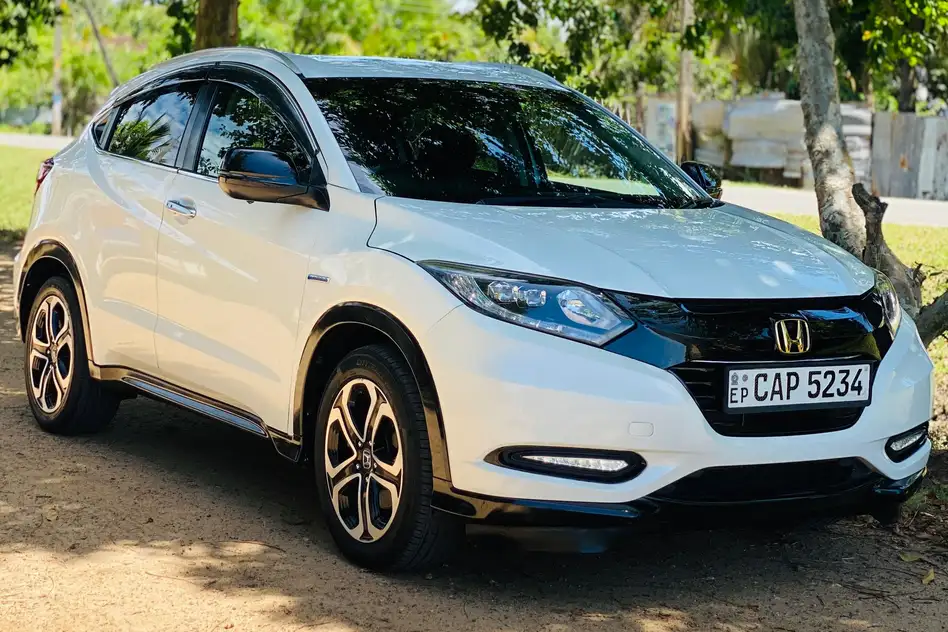
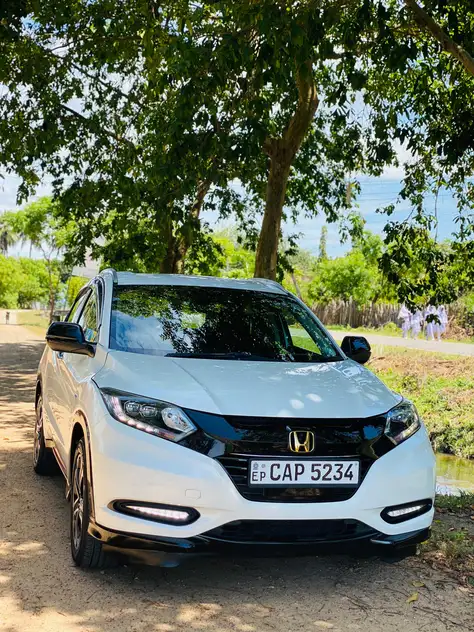
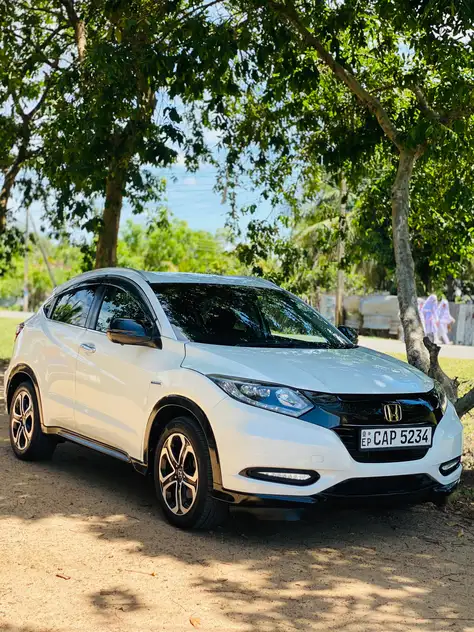
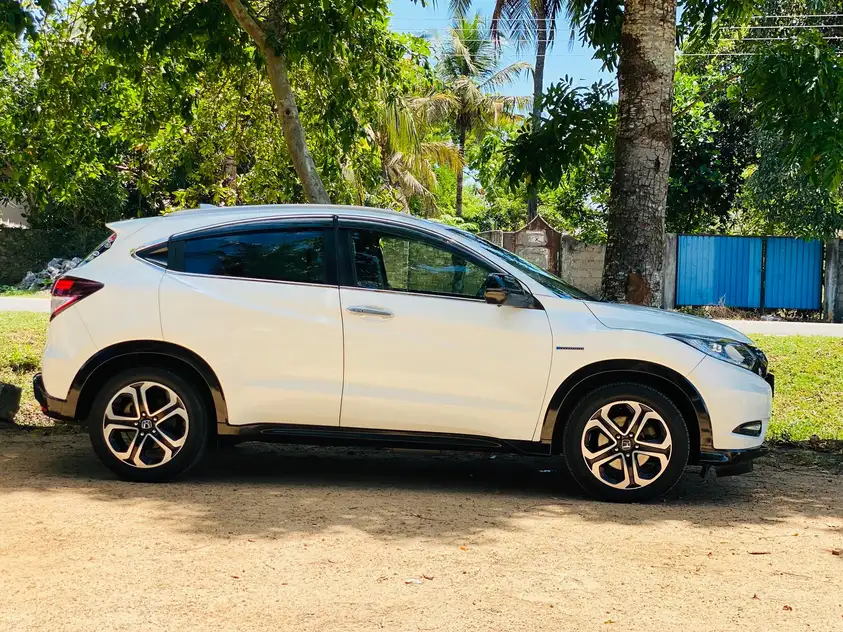
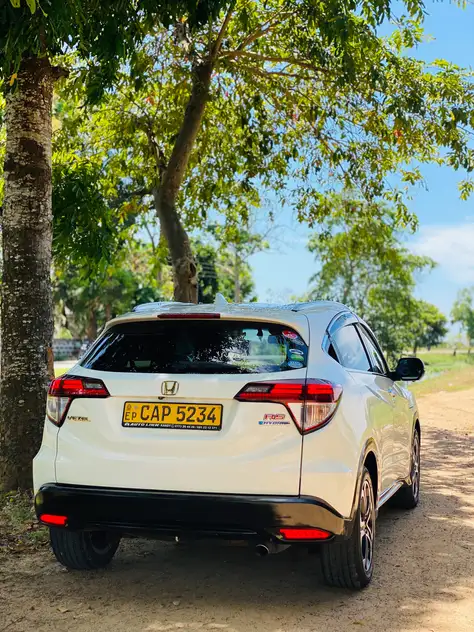
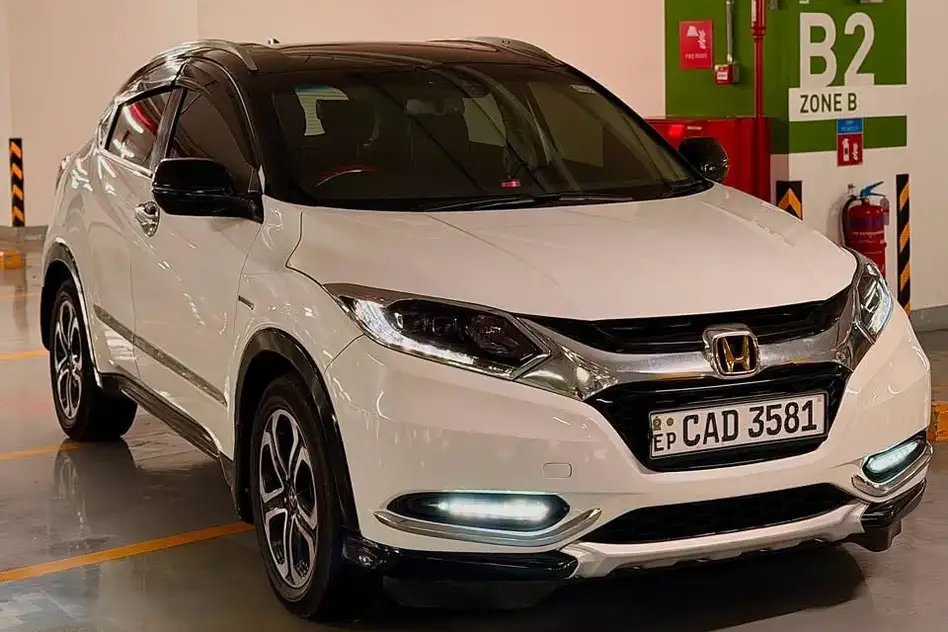
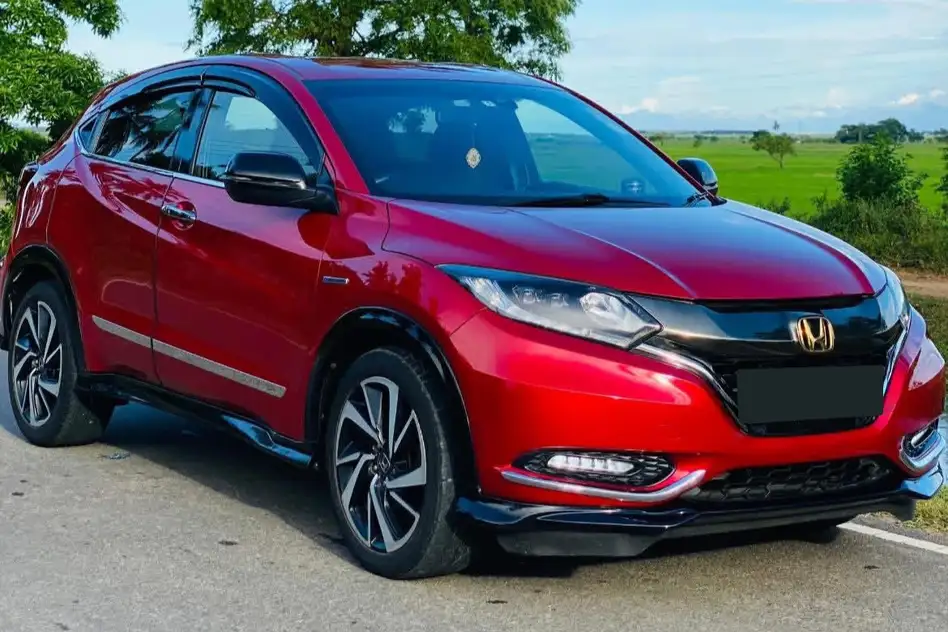
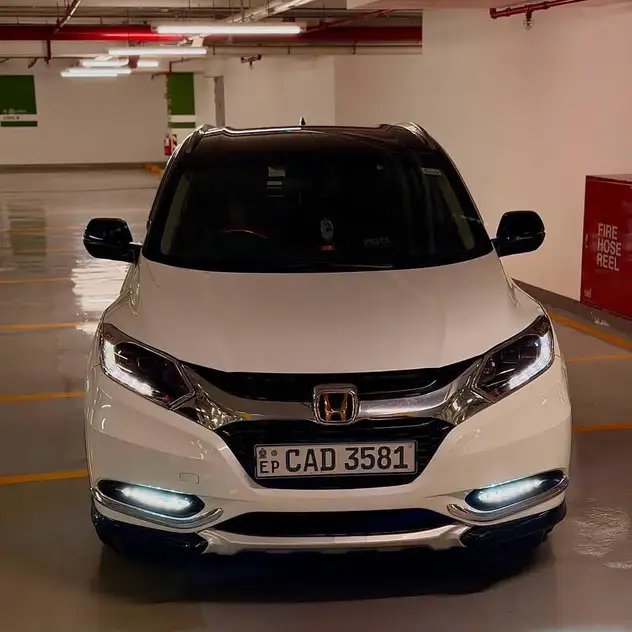
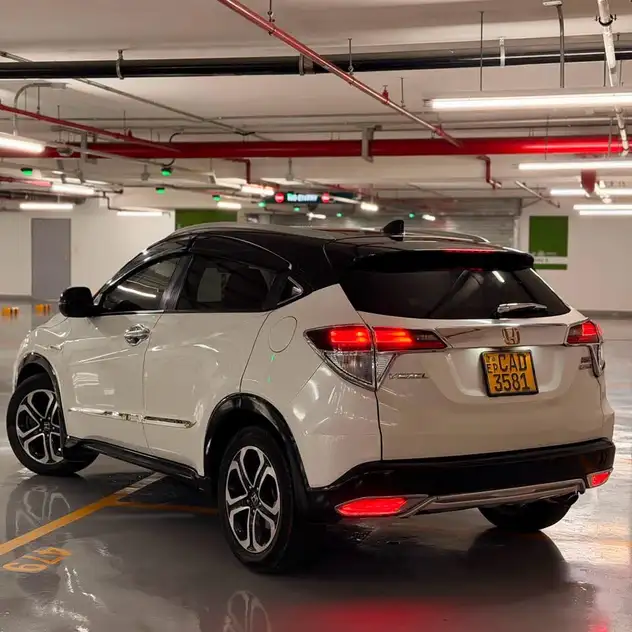
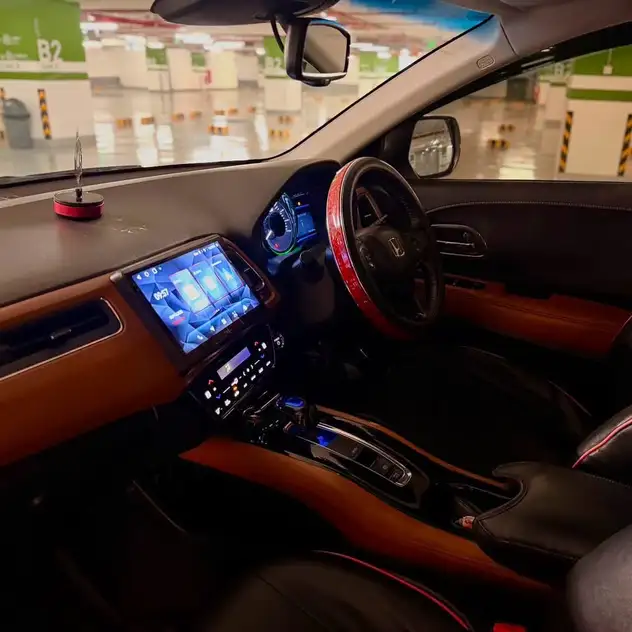
SUV$40/dayHonda Vezel · Auto · Comfortable for groups
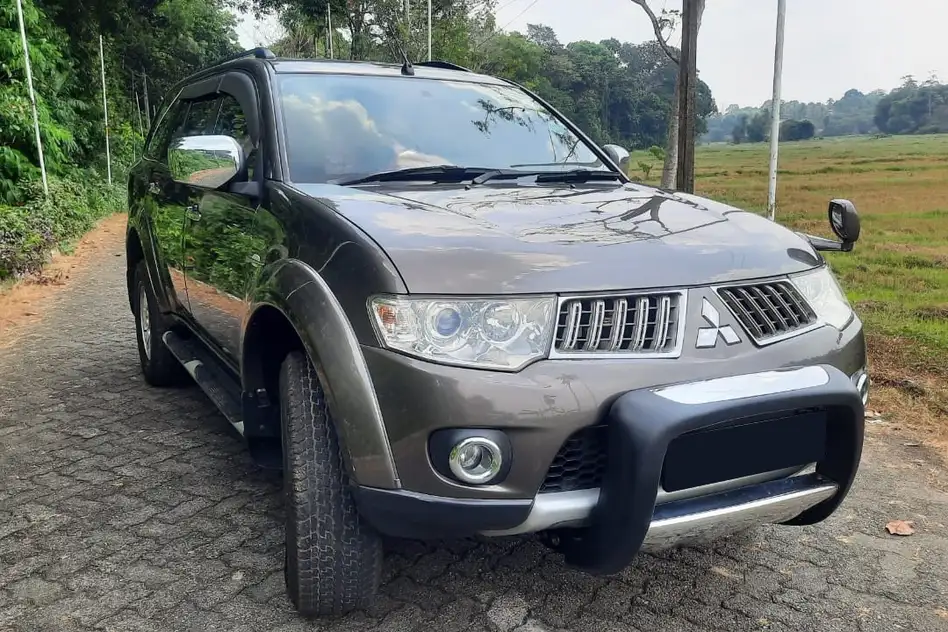
Mid-range SUV$45/dayMid-range SUV · Auto · Hill country day trips
⚠ All cars automatic. An IDP is strongly recommended. With-driver option available —
filter on Rentrals when searching. Prices updated daily.
Driving the southern coast from Ambalangoda
Sri Lanka drives on the left with the steering wheel on the right — identical to
the UK, Australia, and India. All Ambalangoda rental cars are automatic. The A2
coastal highway is the main road through the town and runs the full length of the
southern coast. It’s in good condition but carries constant traffic including
intercity buses, trucks, and three-wheelers. Drive with more following distance
than you’d use at home.
The A2 highway
Good condition through Ambalangoda, but busy. Tuk-tuks change speed and direction
unpredictably. Give extra following distance. Speed: 50km/h through town,
70km/h on open sections.
Meetiyagoda inland road
10km from the A2 on a good local road. Any standard car handles this route
without difficulty. No fuel concerns — fill up before leaving the A2.
International Driving Permit
Strongly recommended for all self-drive car hire Ambalangoda Sri Lanka rentals.
Police checkpoints on the A2 request one regularly. Get it before departure —
~£5–10 from AA or RAC in the UK.
Southwest monsoon (May–Sep)
Heavy rain and rough seas on this coast. Indoor attractions — mask museum,
Galgoda Temple, moonstone mine — work year-round. Beach activities and the
river safari are best November–April.
Fuel
IOC and Ceypetco petrol stations are distributed regularly along the A2 through
Ambalangoda and the surrounding area. No fuel concerns on any route from here.
Parking at the mask museum
Available on the A2 roadside directly at the Ariyapala Museum. The temple
and moonstone mine both have adequate space for rental cars.
What you need to rent a car in Ambalangoda
Requirements are straightforward. The IDP is the item most commonly forgotten —
it cannot be obtained inside Sri Lanka.
Valid passportRequired by all suppliers. Carry a physical copy alongside the original.
Home country driving licenceMust be current. Physical card required — digital copies not universally accepted.
International Driving PermitStrongly recommended; required by some suppliers. Obtain before departure. ~£5–10 from AA/RAC in the UK.
Booking confirmationPrinted or digital. Save the supplier’s 24-hour contact number before travel.
Credit or debit cardMany Ambalangoda suppliers accept debit — use “no credit card” filter on Rentrals. Visa and Mastercard most widely accepted.
Minimum age 21Young driver surcharge may apply for ages 21–24. Some SUVs require minimum age 25. With-driver option has no passenger age restriction.
Car rental in Ambalangoda — frequently asked questions
The 18 Sanni masks each represent a specific disease-demon in the Sanni Yakuma
healing ritual — one of Sri Lanka’s most significant traditional medical and
spiritual systems. Each mask corresponds to a specific affliction: Kola Sanniya
(fever), Golu Sanniya (deafness), Wes Sanniya (blindness), Maru Sanniya (fatal
illness), Deva Sanniya (mental disturbance), and 13 others. In the ritual, a
yakaduru (shaman) wears each mask in sequence through the night, dialoguing with
each disease-demon and ultimately driving it away. The masks are carved from kaduru
hardwood and painted in vivid traditional colours. The full set of 18 is displayed
at the Ariyapala Museum with explanations of each mask’s specific disease association.
Yes. The Ariyapala Mask Museum is simultaneously a display museum and an active
working workshop — artisans carve masks in the adjacent workshop while visitors
walk through the displays. You can observe the carving process directly. The dance
school on site trains students in traditional Kolam performance; visiting during
practice hours may allow you to watch the masked dance movements in context. Opening
hours are typically 8am–6pm daily. A modest entry fee applies. The shop sells
authentic masks directly from the carvers at prices substantially lower than
Colombo tourist markets.
The Galgoda Sailatalaramaya Maha Vihara Temple near Ambalangoda contains South
Asia’s longest reclining Buddha: 35 metres (115 feet) in the parinirvana pose —
the Buddha’s final passage into complete nirvana. The statue is painted in vivid
colours, the expression serene. The temple sits on an island in Madampe Lake,
reached by a short causeway. Almost no travellers coming to Ambalangoda for the
masks visit this temple, despite its extraordinary scale. Entry is free; cover
shoulders and knees, and remove footwear at the boundary. A car rental Ambalangoda
reclining Buddha visit is an easy afternoon pairing with the morning mask museum.
Meetiyagoda is approximately 10km inland from Ambalangoda — about 15 minutes by
rental car on a good local road that turns off the A2. Sri Lanka produces
approximately 80% of the world’s gem-quality blue moonstones, and Meetiyagoda
is the village where that production is concentrated. The mines use traditional
pit-shaft methods; visits can be arranged to see the mining and gem-sorting process.
Gem workshops on site cut and polish stones, selling direct at prices substantially
lower than Colombo jewellery shops. The car rental Ambalangoda moonstone mine
inland road is in good condition for any standard rental car.
Galle is approximately 35km south of Ambalangoda on the A2 coastal highway —
about 45 minutes in normal traffic. The UNESCO Dutch Fort in Galle is one of
the best-preserved colonial port cities in Asia, with intact ramparts, Dutch
colonial buildings, a lighthouse, and the Dutch Hospital dining and shopping
precinct. With a car rental Ambalangoda Galle day trip, you can continue south:
Unawatuna’s sheltered beach is 40km from Ambalangoda (55 minutes), and Mirissa’s
whale watching coast is 75km (about 1.5 hours). Galle alone warrants a full day.
The Madu Ganga is Sri Lanka’s second-largest estuary — a Ramsar-designated wetland
5km north of Ambalangoda at Balapitiya. Motorised boats take visitors through
mangrove channels past Buddhist river-island temples, monitor lizards, kingfishers,
and traditional prawn fishermen. Tours run 1.5–2 hours. Departure is from the
Balapitiya bridge area on the A2 — park near the river and negotiate directly
with boatmen. Standard rate: 1,500–2,000 LKR per boat, not per person. The
car rental Ambalangoda Madu Ganga route is 5km north on the A2 — 8 minutes.
An IDP is strongly recommended for all self-drive car hire Ambalangoda Sri Lanka
rentals, and required by some suppliers. Police checkpoints on the A2 coastal
highway routinely request one alongside a foreign driving licence — without one,
you may face a fine or a request to stop. IDPs cost approximately £5–10 in the
UK through the AA or RAC. They cannot be obtained inside Sri Lanka. If you choose
the with-driver option, no IDP is required on your part — the driver holds a
Sri Lankan licence and manages all documentation at checkpoints.
November to April is the dry season for Ambalangoda’s southwest coast — best for
beach activities, the Madu Ganga river safari, and the A2 coastal drive to Galle
and Hikkaduwa. The southwest monsoon (May–September) brings heavy rain and rough
seas; beach conditions deteriorate significantly. However, the Ariyapala Mask
Museum, the Galgoda Temple reclining Buddha, and the Meetiyagoda Moonstone Mine
all operate year-round regardless of weather. Cheap car hire Ambalangoda Sri Lanka
prices are typically lower outside the December–March peak period.
Yes. The entire Ambalangoda fleet on Rentrals is automatic — there are no manual
transmission options. This matters particularly for visitors from right-hand traffic
countries (USA, continental Europe) adapting to Sri Lanka’s left-hand roads, where
an automatic removes one significant complication from the adjustment. The fleet
runs from economy hatchbacks (Suzuki Wagon R, from $23/day) through hybrid saloons
(Toyota Aqua, from $30/day) and SUVs (Honda Vezel, from $40/day). All are well-suited
to the A2 coastal drive and the inland Meetiyagoda road.
The minimum rental age at most Ambalangoda suppliers on Rentrals is 21. Drivers
aged 21–24 may pay a young driver surcharge charged per rental day. Larger SUVs
and vans typically require a minimum age of 25. The specific terms vary by vehicle
and operator — check the conditions on your booking before confirming. There is no
upper age limit. The with-driver option has no passenger age restriction, as the
driver holds their own Sri Lankan licence.
Yes. One-way rentals are available from Ambalangoda to other Rentrals Sri Lanka
locations — Galle (35km south), Colombo (86km north), Kandy, or anywhere in the
65-location network. This works well for the A2 southern coast road trip: pick up
in Colombo, drive south through Ambalangoda, and drop off in Galle or continue
to Mirissa or Tangalle. One-way drop fees vary by distance and operator and are
shown at the booking stage before you confirm.
The A2 is Sri Lanka’s main southwest coastal road — two lanes, generally in good
condition through Ambalangoda, with constant traffic including intercity buses,
delivery trucks, and three-wheelers. Drive defensively and allow more following
distance than you would at home. Tuk-tuks change speed and direction suddenly and
without obvious signals. Speed limits are 50km/h through Ambalangoda town (the A2
runs through it, so town limits apply for most of the local stretch) and 70km/h
on open sections. Blood alcohol limit: 0.08%. IOC and Ceypetco petrol stations
are distributed regularly along this stretch — fuel is not a concern.
Car hire across Sri Lanka
Ambalangoda is one stop on Sri Lanka’s southern coast corridor. Every destination
below has rental options on Rentrals Sri Lanka —
whether you’re heading south toward Galle and beyond, north toward Colombo, or
planning a separate inland or hill country circuit.
.webp?1788338398)
.webp?1788338392)