Car Rental Near Aparekka — Sri Lanka’s Southernmost Coast
Aparekka sits at the southern edge of Sri Lanka, 8km from Dondra Head —
the island’s southernmost geographical point — where the 49-metre lighthouse
stands at land’s end and the Indian Ocean opens south toward Antarctica. Within 30
minutes by rental car: Mirissa’s blue whale watching boats depart at 6am, and a
car is the only reliable way to reach that harbour before dawn.
From this southern base: Rekawa turtle nesting beach, the Matara Dutch Fort and
its perfect Star Fort, Tangalle’s quiet south coast beaches, and
Udawalawe’s 500+ elephants — all within 75km. Cars from
$23 a day, full fleet automatic.
If no cars show above for Aparekka, pick up from Matara (15 min west) or Galle (45 min west) — both have larger fleets.
Aparekka is a quiet village — no tourist office, no taxi rank, no organised
transport infrastructure aimed at visitors. That’s what makes this stretch of
coast genuine. It also makes a car hire Aparekka Sri Lanka rental not a
convenience but a practical requirement for everything that makes the area
worth visiting.
Without a car, the Mirissa whale watching boats — departing at 6:00–6:30am —
are effectively inaccessible from the Aparekka/Matara area at that hour.
Rekawa turtle nesting tours run after dark on an unlit coastal road with no
late-night transport back. Dondra Head is 8km away and reachable, but
Udawalawe is 75km north — a journey that requires your own vehicle to do
on your own schedule.
Rent a car Aparekka and the southernmost stretch of Sri Lanka becomes a single,
practical circuit. If no cars show in Aparekka directly, Matara pickups are 15
minutes west and Galle 45 minutes west — both serve this coast well.
Dondra Head: Sri Lanka’s southernmost point — where the island ends
49m · Tallest in Sri Lanka
Dondra Head is the southernmost geographical point of Sri Lanka. It is the
place where the island’s landmass ends and the Indian Ocean opens, uninterrupted,
south toward Antarctica. Standing at the headland, you are at the most southern
tip of the country. Between you and the South Pole: ocean.
The lighthouse here — built by the British in 1890, standing 49 metres tall —
is the tallest lighthouse in Sri Lanka, visible from 27 nautical
miles at sea. It remains operational, guiding vessels navigating around the
island’s southern tip.
Immediately adjacent: the Dondra Dewundara Vishnu Devale, one of the four most
sacred Vishnu shrines in Sri Lanka. The annual Dondra Perahera (July/August)
brings processions, drumming, and centuries-old ritual to this quiet headland.
The combination of operational lighthouse, sacred pilgrimage site, and the
genuine geographic drama of land’s end gives Dondra Head a quality that most
headlands don’t have.
The car rental Aparekka Dondra Head drive is approximately 8km on the southern
coastal road — 10 minutes in a standard rental car. Parking near the lighthouse
approach. No entry fee. The best time to visit is early morning, when the light
comes off the ocean and the lighthouse stands above the rocks against a clear sky.
Mirissa: blue whale watching — 30 minutes by rental car
Blue whales are the largest animals ever to have lived on Earth — up to 30 metres
in length, weighing up to 180 tonnes. Mirissa, approximately 22km west of Aparekka,
is widely considered one of the best places in the world to see them at close range
from a small boat. The Sri Lanka blue whale population feeds in the deep waters south
of Mirissa during the November–April season.
Boats depart Mirissa Harbour at 6:00–6:30am
This early departure is where a car rental Aparekka Mirissa whale watching trip
has a genuine, specific practical advantage. At 5:30am in the Aparekka/Matara
area, taxis are expensive and unreliable. With a rental car, you drive
the 22km to Mirissa Harbour in 30 minutes, park at the harbour, and board.
No negotiation. No uncertainty. The car stays while you’re on the water; the
trip returns by midday.
Blue whales are not the only sightings. Sperm whales, spinner dolphins in schools
of hundreds, flying fish, and occasional orca have all been recorded on these
waters. Boat tours: approximately $30–40 per person. Season: November–April
(December–March most reliable). Book in advance for December–March visits.
Southwest monsoon note: May to September brings rough Indian
Ocean seas to this coast — whale watching is impractical and dangerous during
this period. All reputable operators suspend tours. Plan your Mirissa visit for
November–April.
Matara Dutch Fort: the Star Fort and colonial heritage — 15 minutes west
Matara is approximately 12km west of Aparekka — about 18 minutes on the A2
coastal highway. Sri Lanka’s southernmost major city contains two colonial
fortifications that are among the most interesting and least-crowded on the
entire south coast.
The Matara Fort was built by the Dutch East India Company (VOC) in 1765,
occupying the western bank of the Nilwala River mouth. The ramparts survive
largely intact. The main gate displays the VOC emblem; the views from the
ramparts cover the river mouth and the ocean. Unlike the Galle Fort —
UNESCO-listed and heavily visited — Matara sees a fraction of the tourist
traffic and can be walked almost privately.
The Star Fort is separately located on a small island in
the Nilwala River, connected to the main town by a narrow bridge. Built in
1763, it is a geometrically perfect star-shaped bastion — five symmetrical
pointed bastions surrounding a central courtyard. It is one of Sri Lanka’s
most photogenic colonial structures and functions as a small museum inside.
Access: flat A2 highway from Aparekka, parking near the fort approach.
Any standard rental car.
Matara at a glance
Detail
Info
Distance from Aparekka
~12km west on A2
Drive time
~18 minutes
Matara Fort built
1765 (Dutch/VOC)
Star Fort built
1763 (Dutch)
Star Fort location
River island, Nilwala River
Car needed?
Flat A2 — any standard car
Best combined with
Dondra Head (same day)
Tangalle and Rekawa: south coast beaches and turtle nesting
Tangalle is approximately 32km east of Aparekka — about 40 minutes
on the coastal road. It is widely regarded as Sri Lanka’s most beautiful south coast
beach destination: quieter than Mirissa, more authentic in character than the
developed areas around Galle and Unawatuna.
Three distinct beaches vary the experience. Tangalle
town beach sits behind the lagoon — calm and sheltered. Medaketiya Beach (a short
drive east) faces the open ocean with a long, natural beach that stays uncrowded
even in peak season. Mahawela Beach further east is almost entirely undeveloped.
The lagoon separating the town from the ocean beach is a calm waterway lined with
fishing boats — one of the more photogenic settings on the south coast.
Rekawa Beach is approximately 15km east of Aparekka — 20 minutes
by car. It is Sri Lanka’s most significant sea turtle nesting site, with all five
species that nest on the island’s shores recorded here:
Green
Hawksbill
Loggerhead
Olive Ridley
Leatherback
A community-run conservation programme guides small groups to nesting turtles
on Rekawa beach after dark — one of the most responsible and genuine wildlife
encounters in Sri Lanka. The guides are local conservation wardens. Turtle activity
peaks after 9–10pm.
Night visit note: a car rental Aparekka Rekawa turtle beach trip
is the only practical way to do this after dark. No public transport serves Rekawa
at night; tuk-tuks from Tangalle for late-night returns are unreliable. Drive slowly
on the unlit coastal road — reduce speed from the daytime limit.
Udawalawe: Sri Lanka’s best elephant safari — 1 hour north
Udawalawe National Park is approximately 75km north of Aparekka — about 1 hour
15 minutes by rental car heading inland from the A2. It has approximately 500–600
resident Asian elephants in an open, dry-zone landscape where sightings are
near-guaranteed at almost any time of day.
The comparison with Yala is worth being specific about. Yala’s western circuit
attracts enormous numbers of visitors — jeep convoys of 20 or more vehicles
surrounding a single sighting are common, particularly during peak season. The
atmosphere can feel more like a traffic jam than a wildlife safari. Udawalawe
National Park’s open landscape, its high elephant density, and its significantly
lower visitor numbers combine to produce a calmer and more genuine encounter.
Udawalawe is, in practical terms, the right choice for anyone who wants reliable
elephant sightings without the convoy atmosphere.
Other wildlife: water buffalo, crocodiles in the reservoir, spotted deer, wild
boar, painted storks, and occasional leopard and sloth bear sightings in the
less-visited sections.
Elephant Transit Home (ETH): adjacent to the Udawalawe park
entrance, this government rehabilitation centre raises orphaned baby elephants
before releasing them into the wild. Feeding sessions — when keepers bring out
milk formula for ten to fifteen young elephants in a line — are open to
public viewing at no charge. This is one of the most moving free
wildlife experiences in Sri Lanka.
How the safari works: your rental car drives you to the
Udawalawe gate. A licensed park jeep is mandatory inside — hire one at the
entrance. Standard safari: 4 hours, approximately $20–40 for the jeep and
guide. Your rental car parks at the gate.
Where to go from Aparekka by rental car
Aparekka sits at the southernmost edge of Sri Lanka’s greatest concentration of
south coast experiences. The blue whale capital, the southernmost lighthouse,
the finest south coast beaches, Sri Lanka’s turtle nesting heartland, and
guaranteed elephant safaris — all within 75km of this quiet southern village.
Destination
Distance
Drive time
Why go
Dondra Head
8km
10 min
Sri Lanka’s southernmost tip — 49m lighthouse, tallest in the island
Polhena Reef
10km
15 min
Snorkelling reef; sea turtles visible from shore year-round
All cars are automatic — ideal for Sri Lanka’s left-hand traffic. Southwest monsoon (May–September) affects this coast; best season is November–April for whales and beaches. Book 2–3 weeks ahead for December–March. Prices depend on the car selected and the season; updated daily.
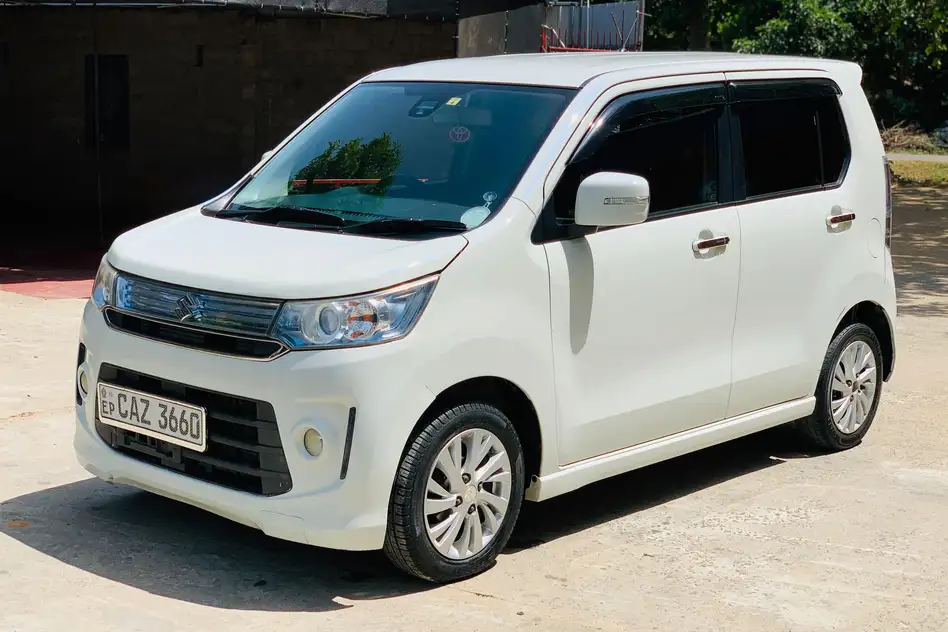
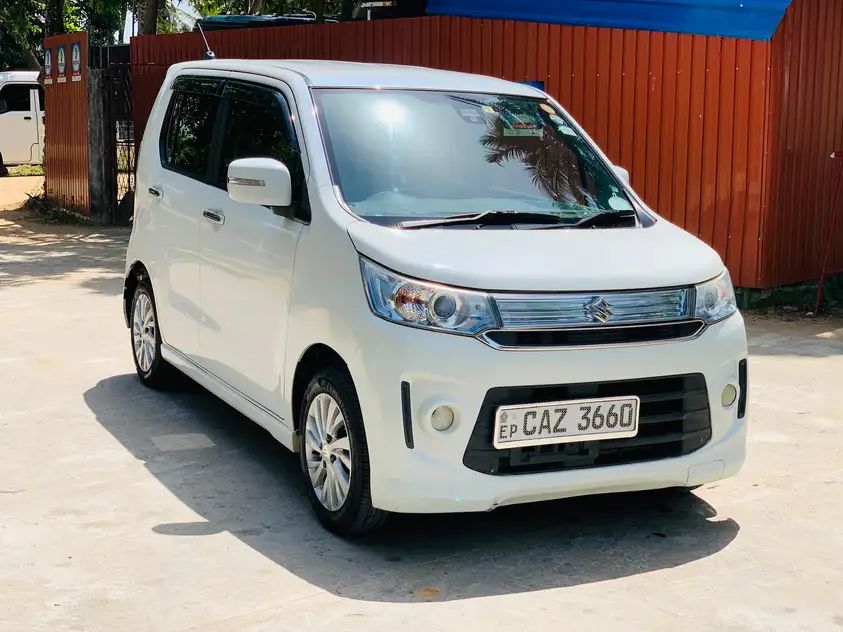
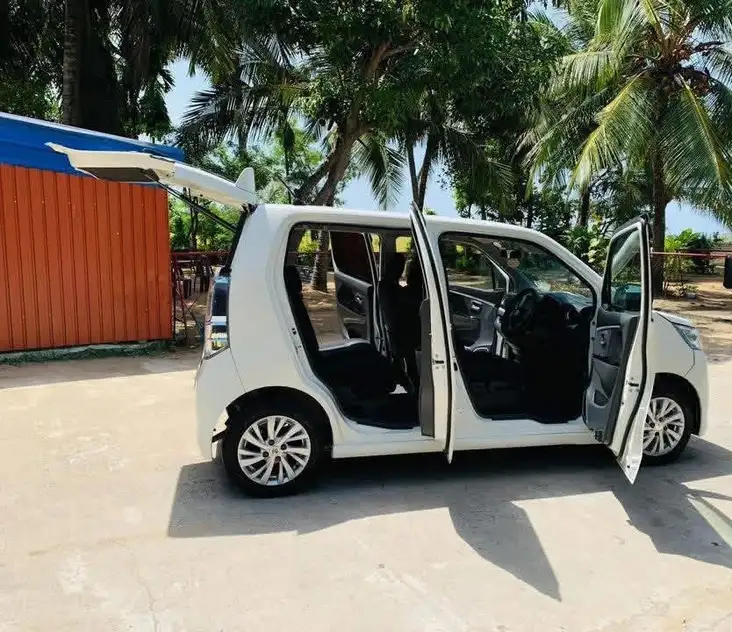
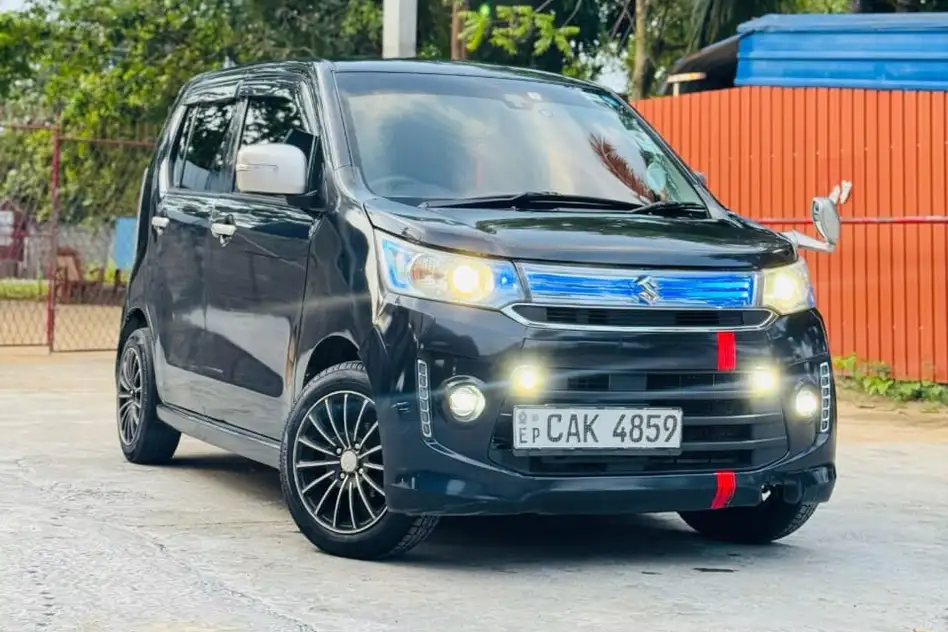
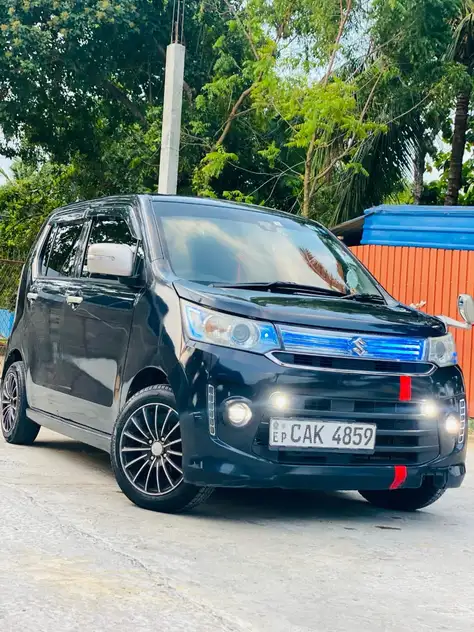
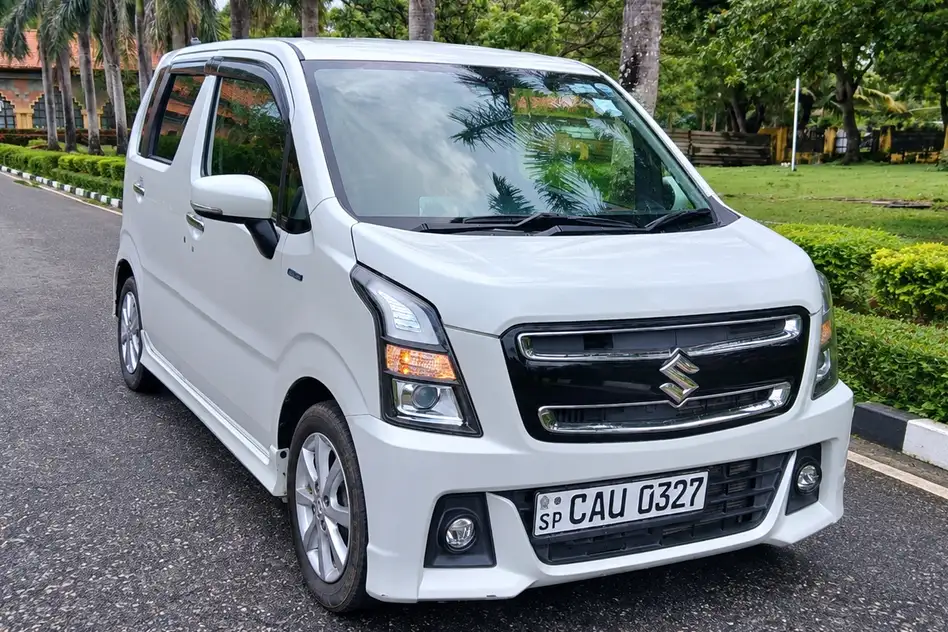
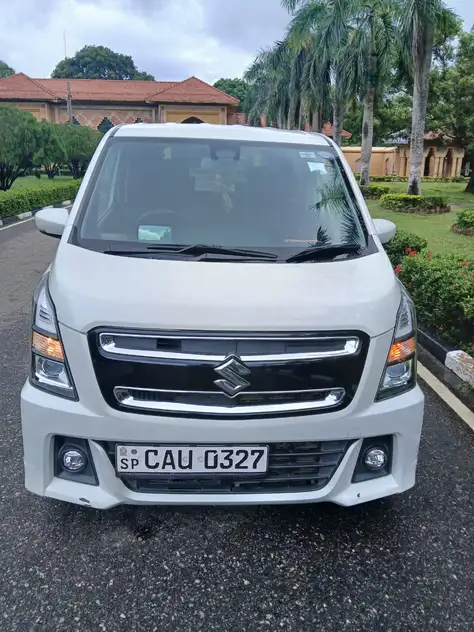
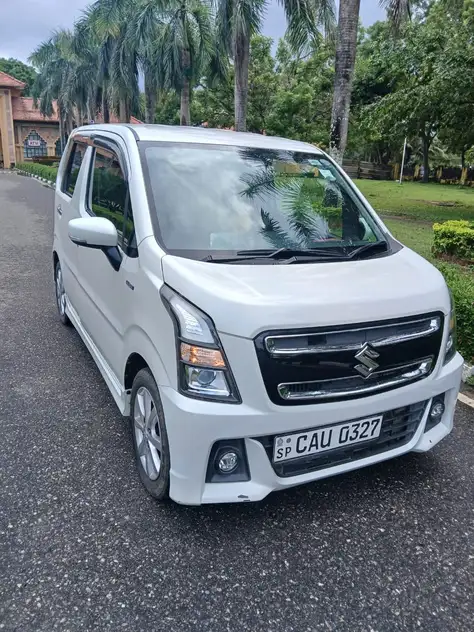
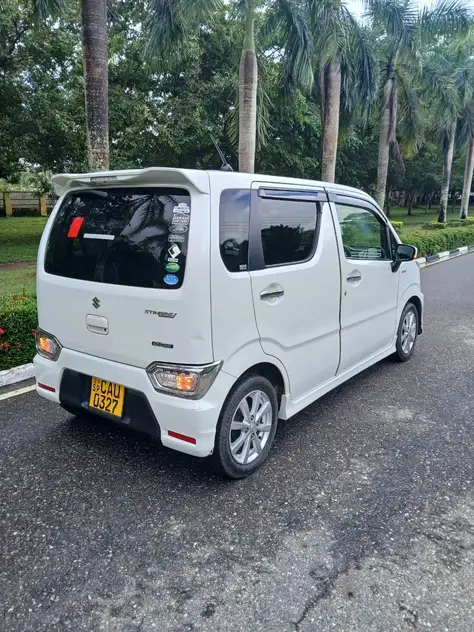
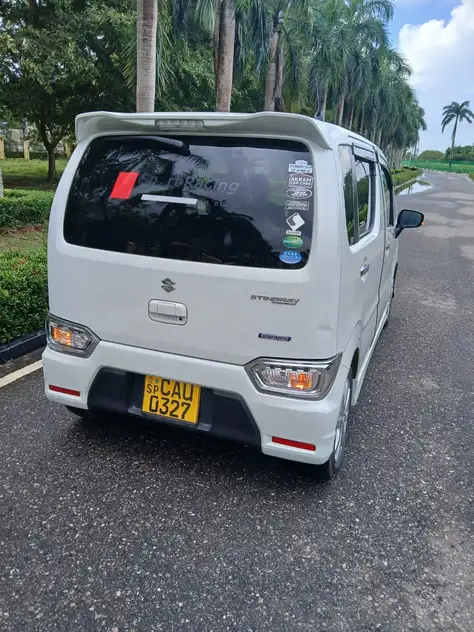
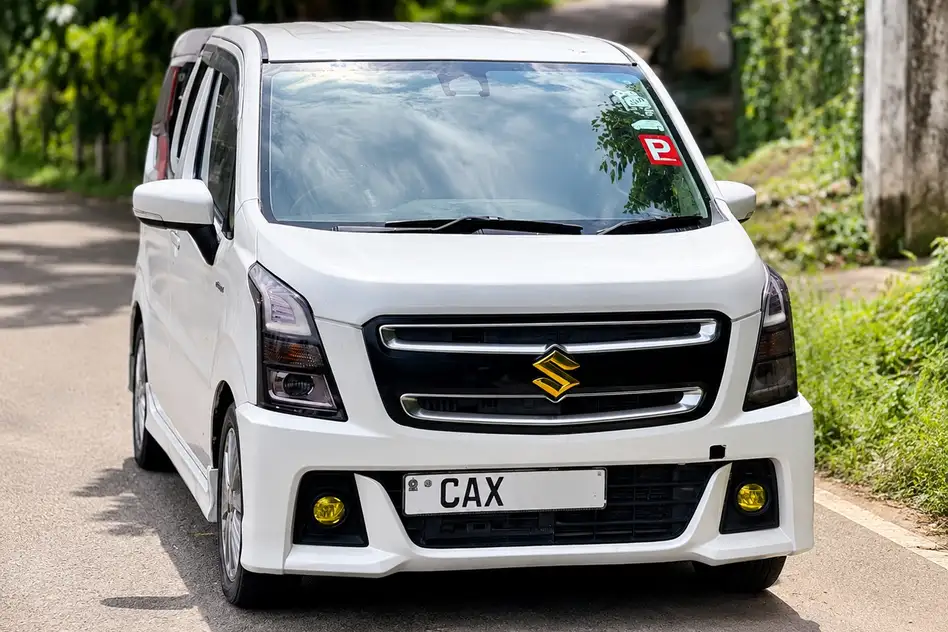
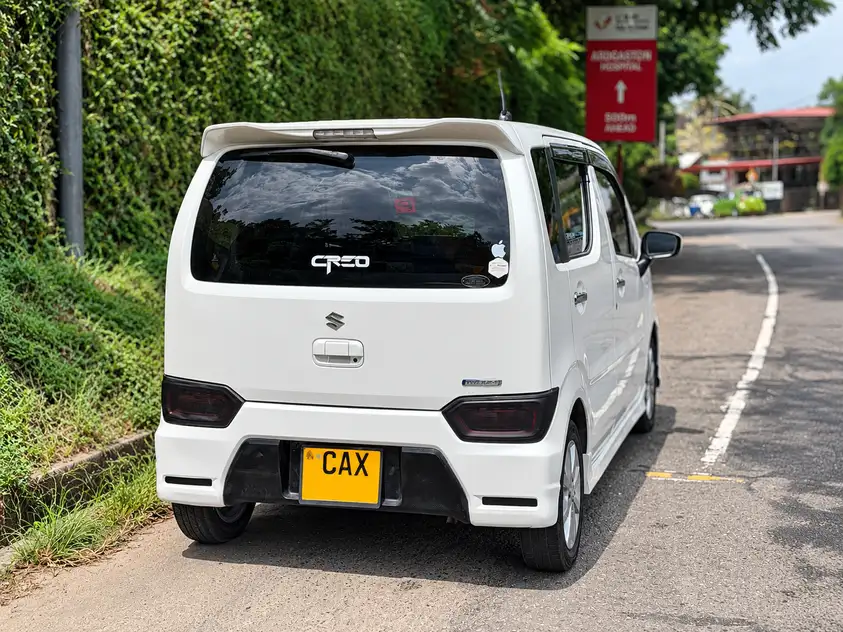
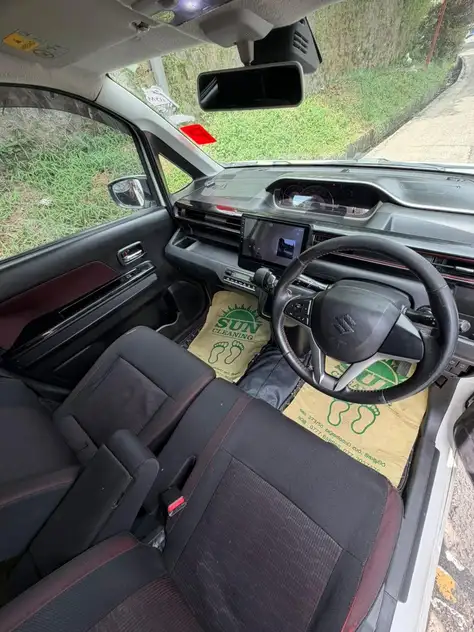
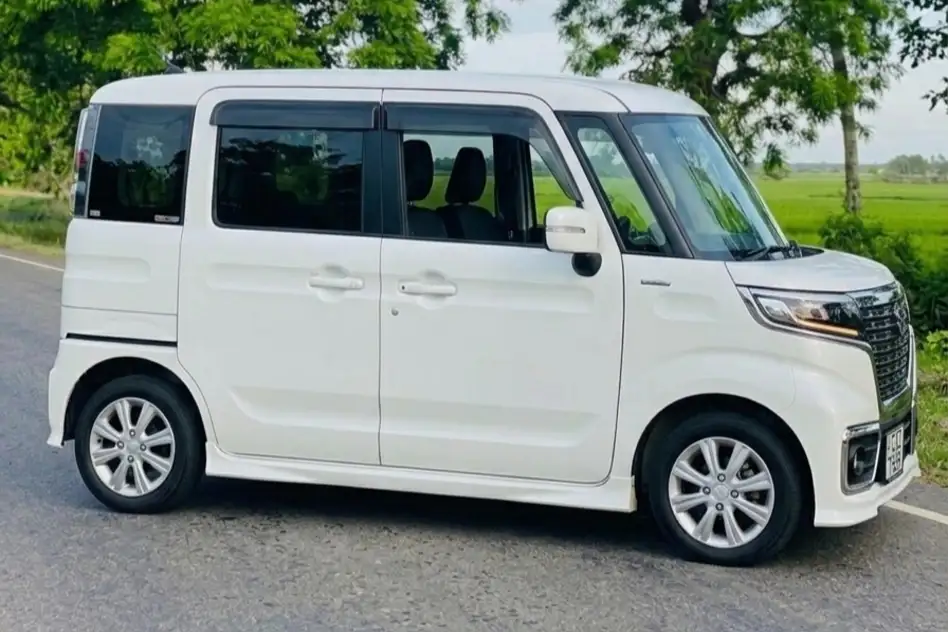
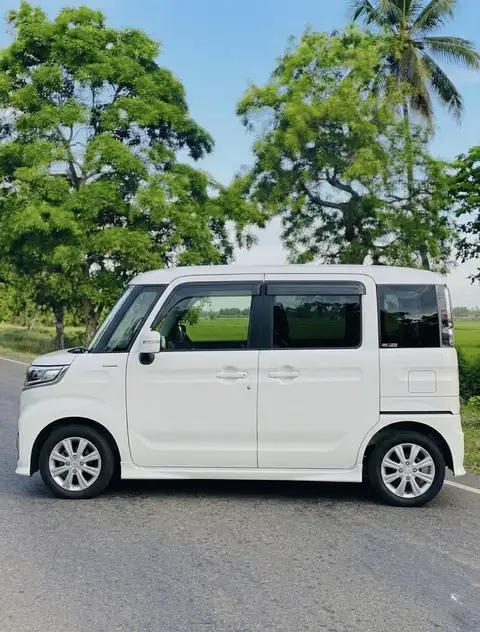
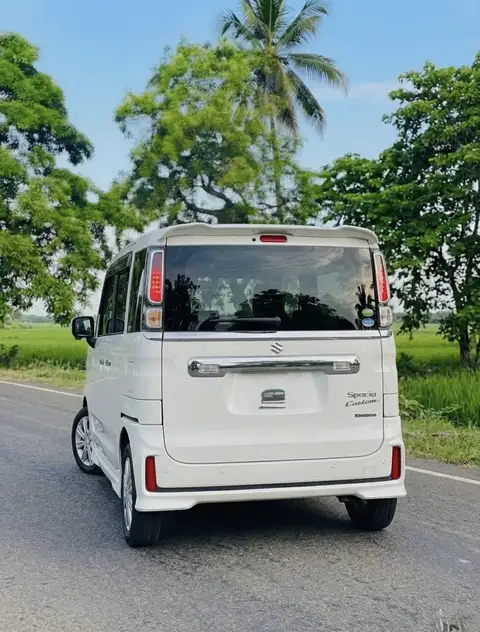
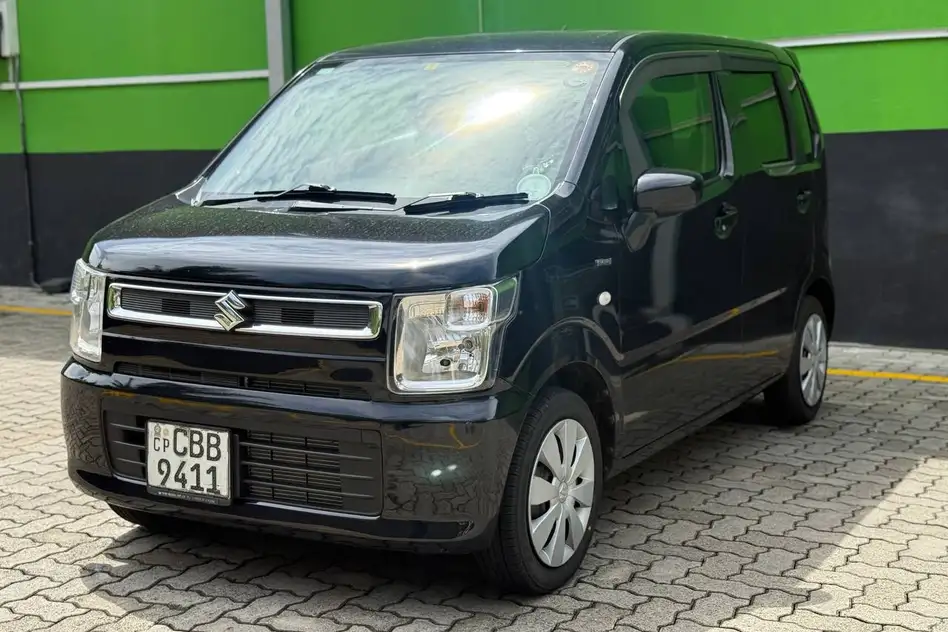
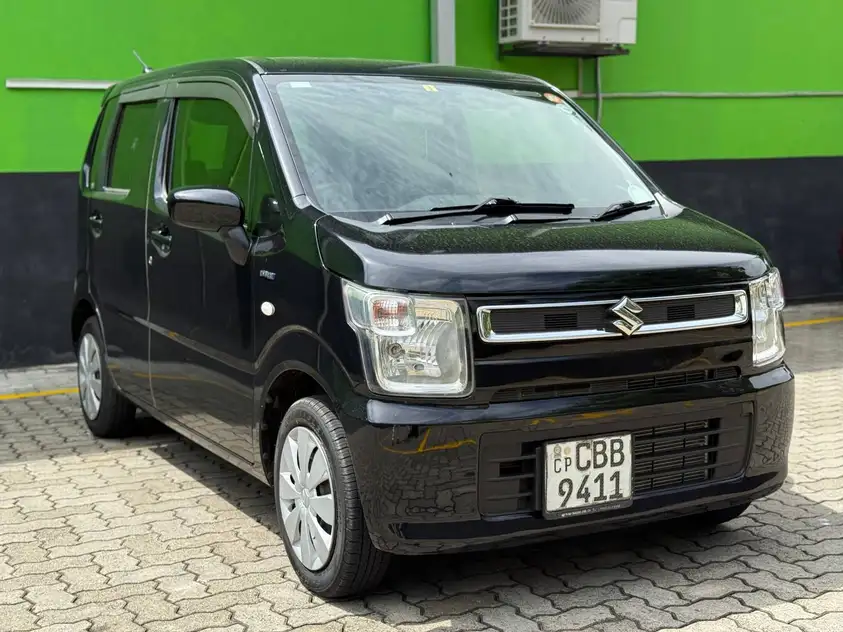
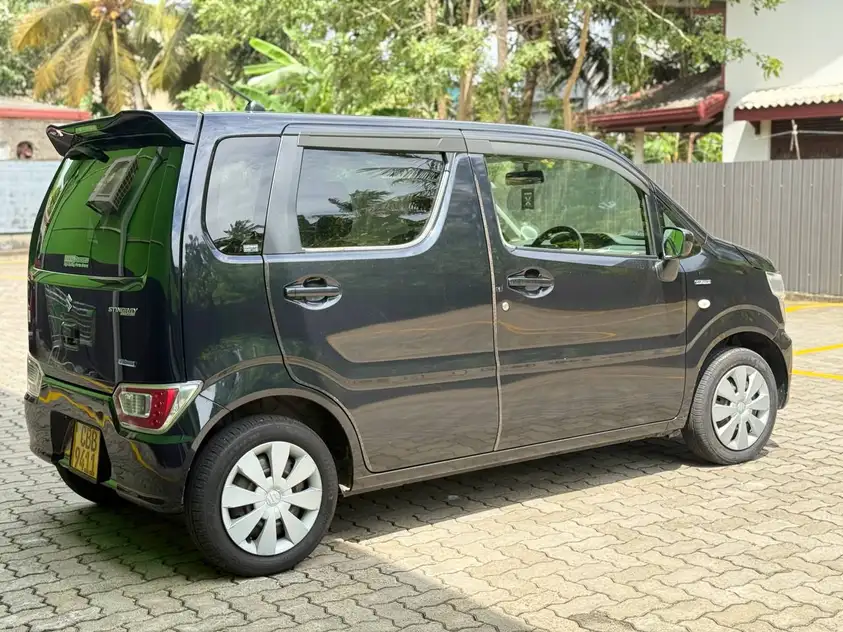
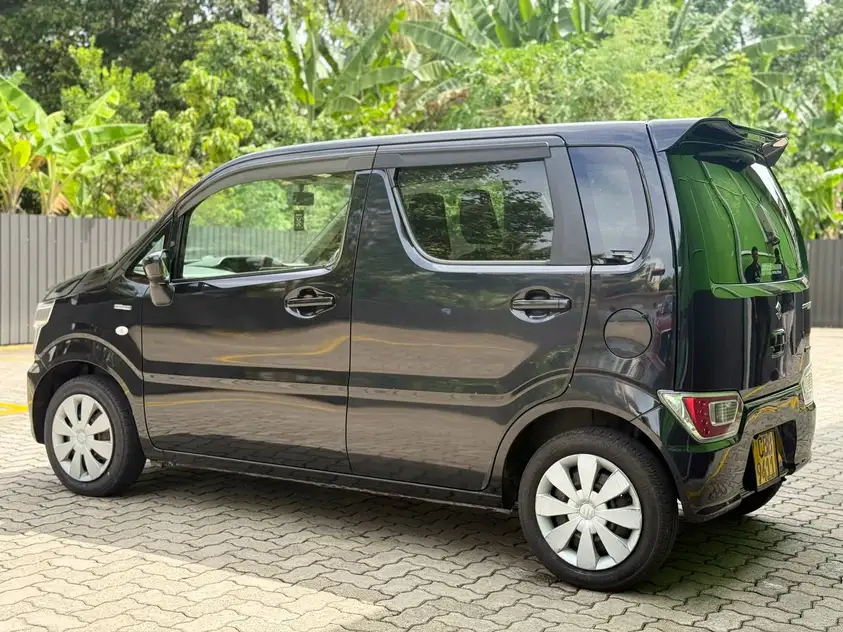
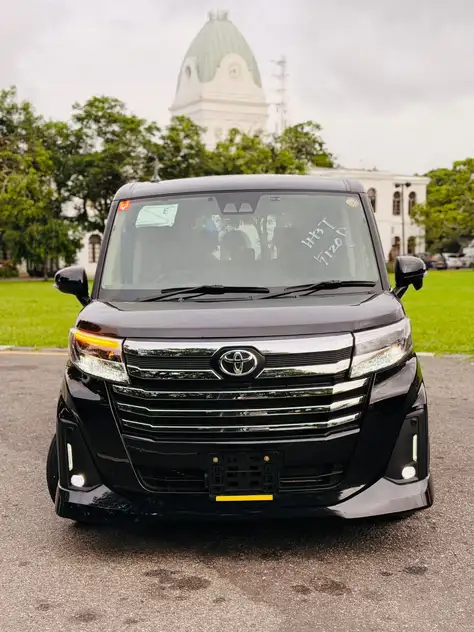
Economy$23/daySuzuki Wagon R · Auto · South coast, Matara, Dondra, Rekawa
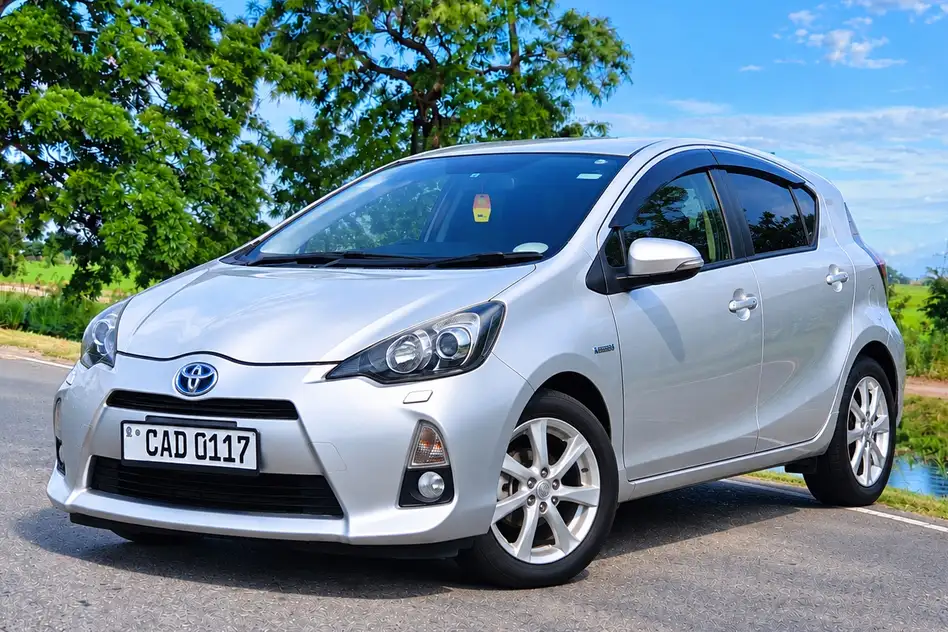
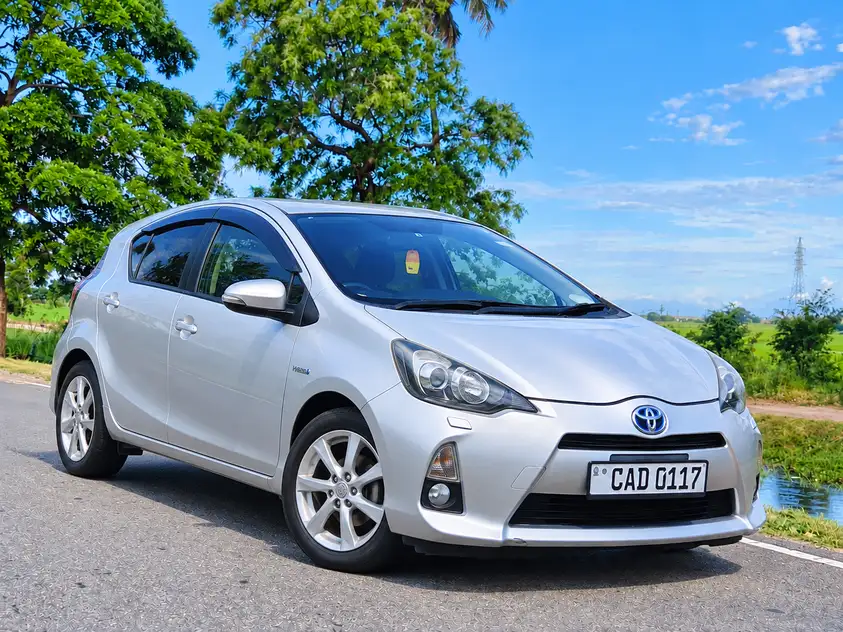
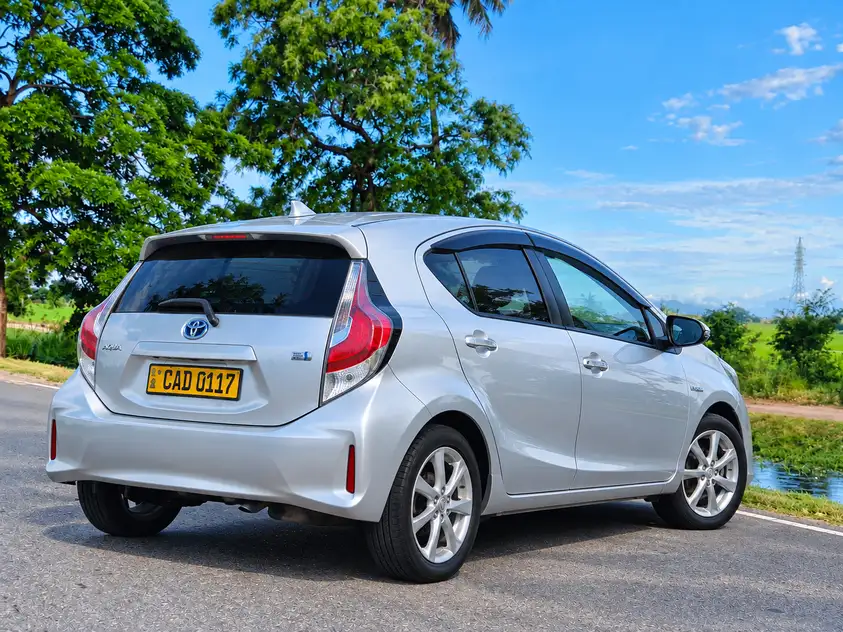
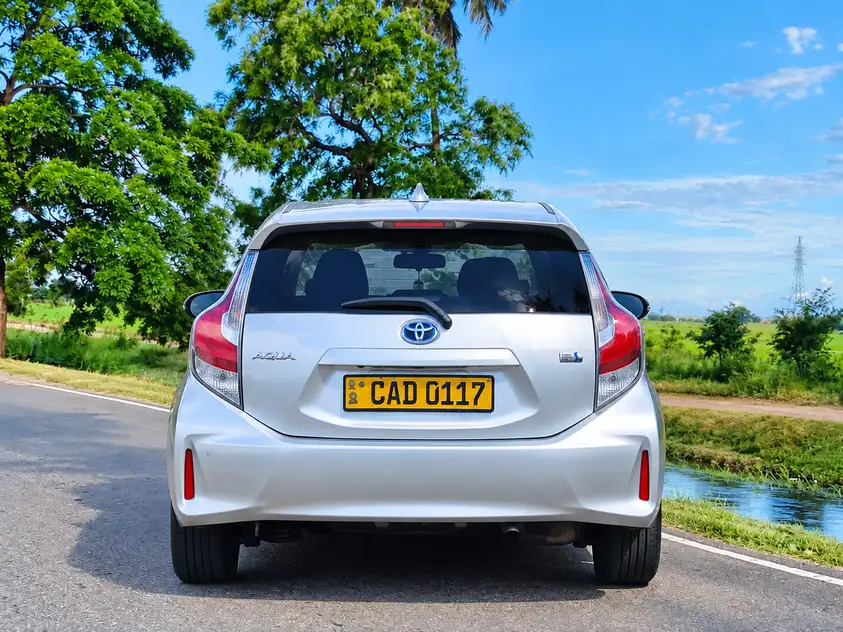
Hybrid Saloon$30/dayToyota Aqua · Hybrid auto · Fuel-efficient multi-day south coast
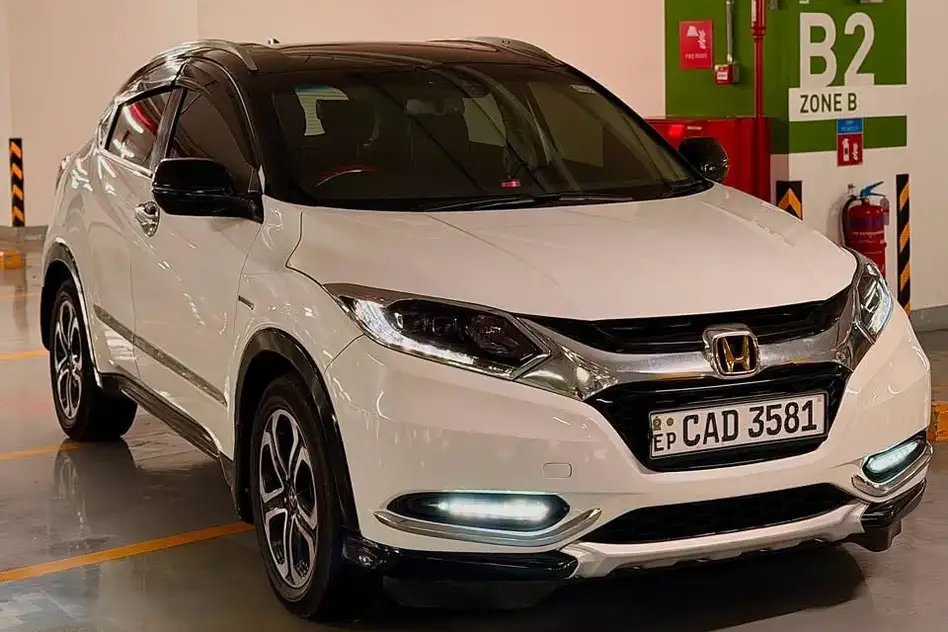
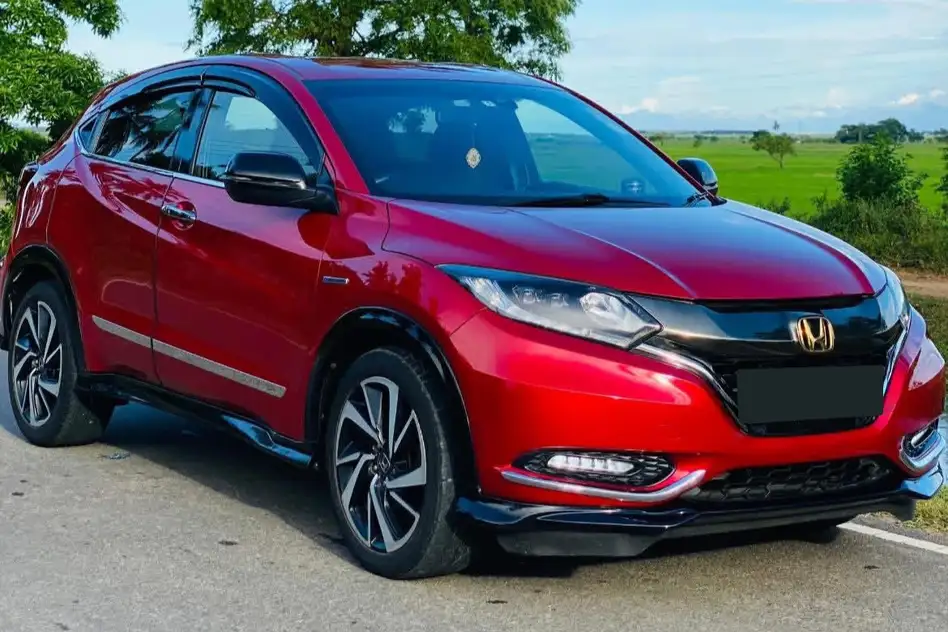
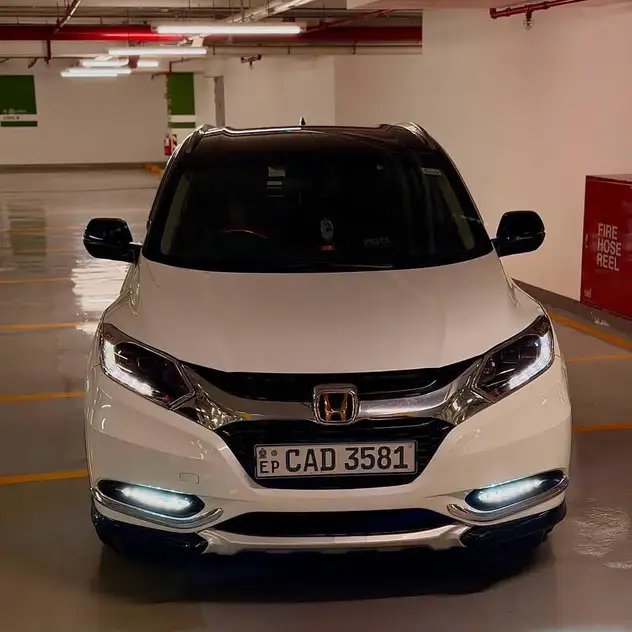
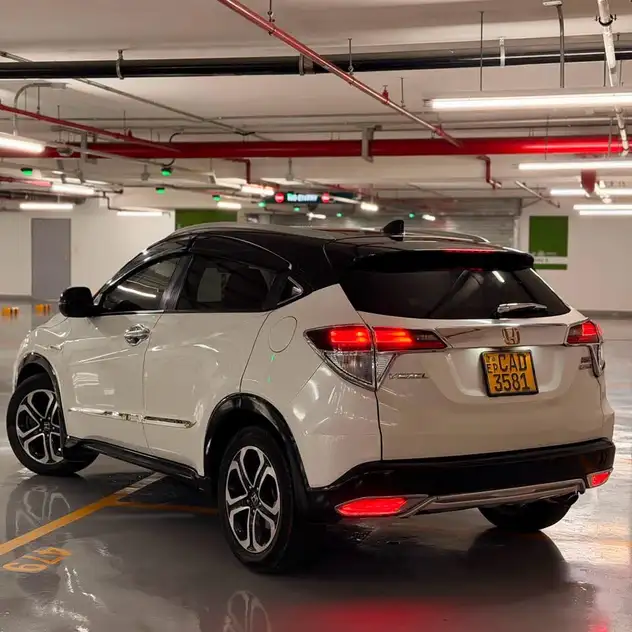
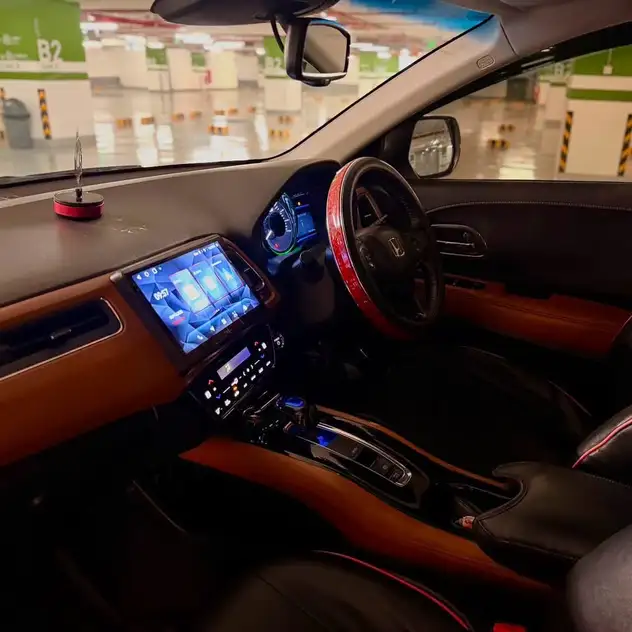
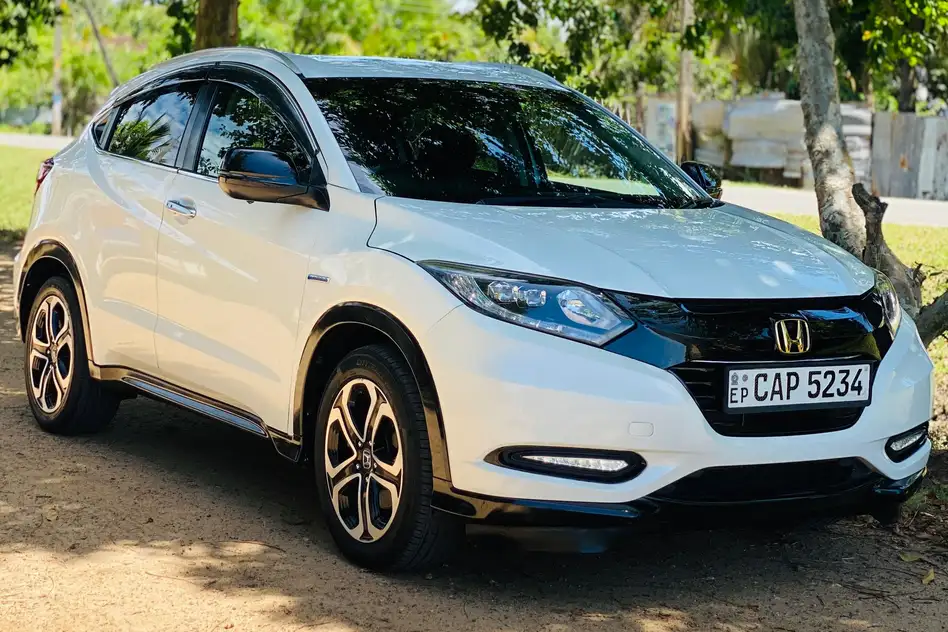
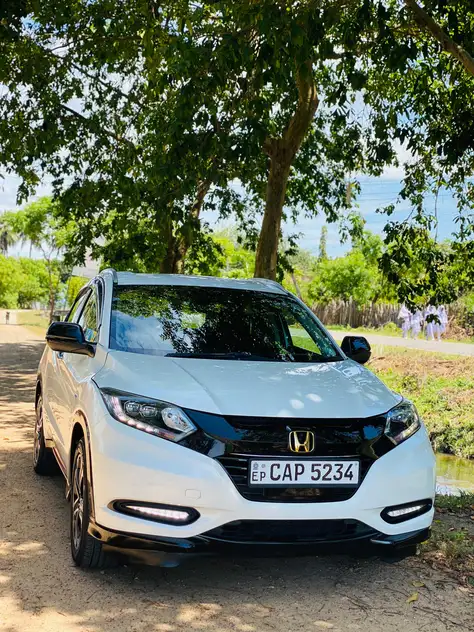
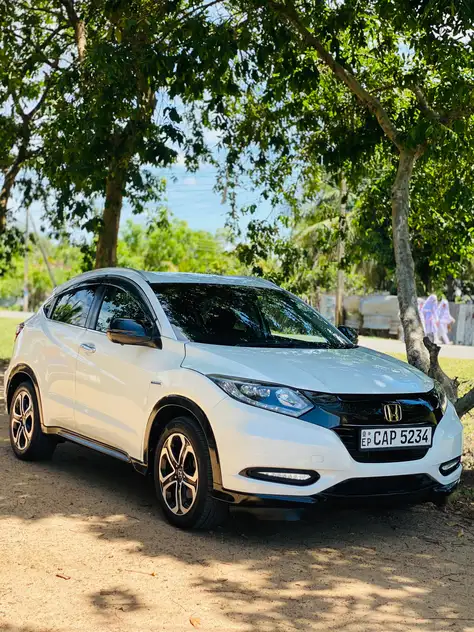
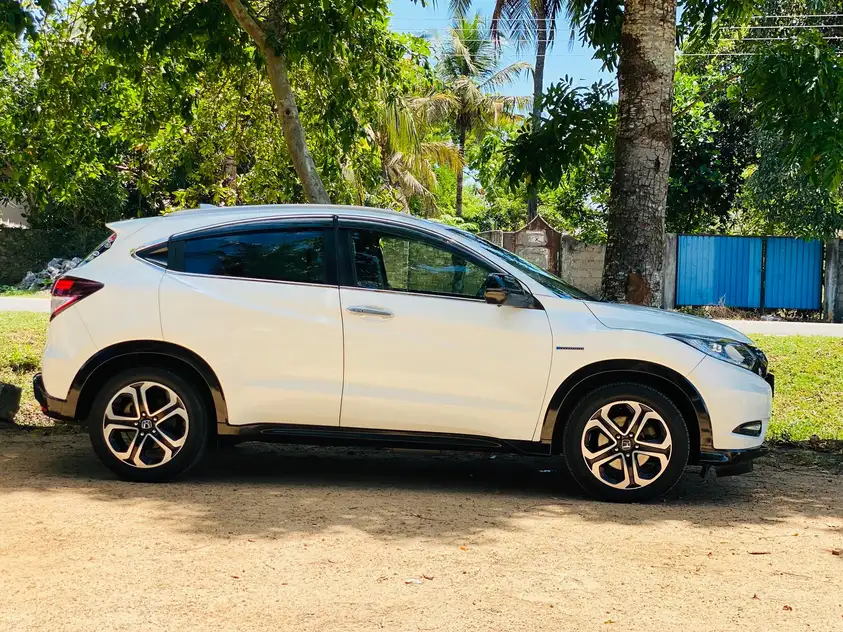
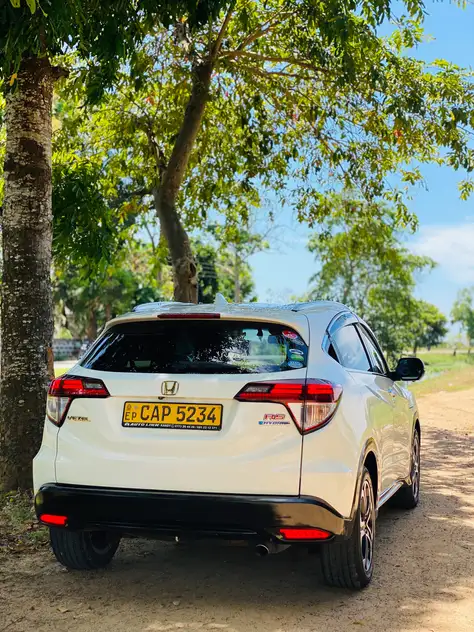
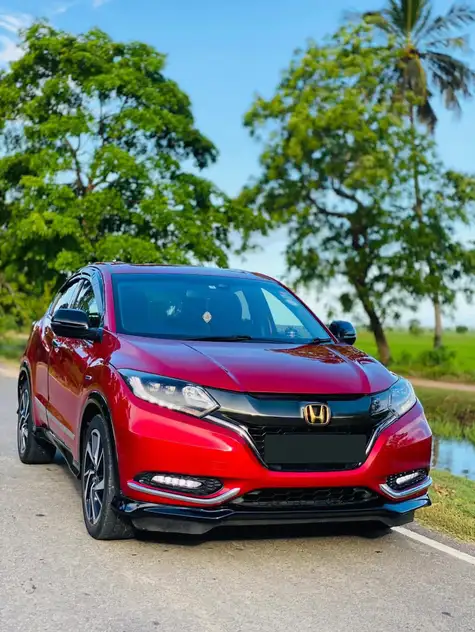
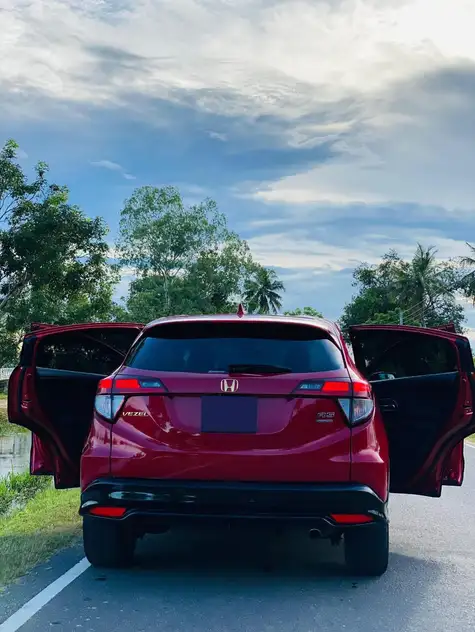
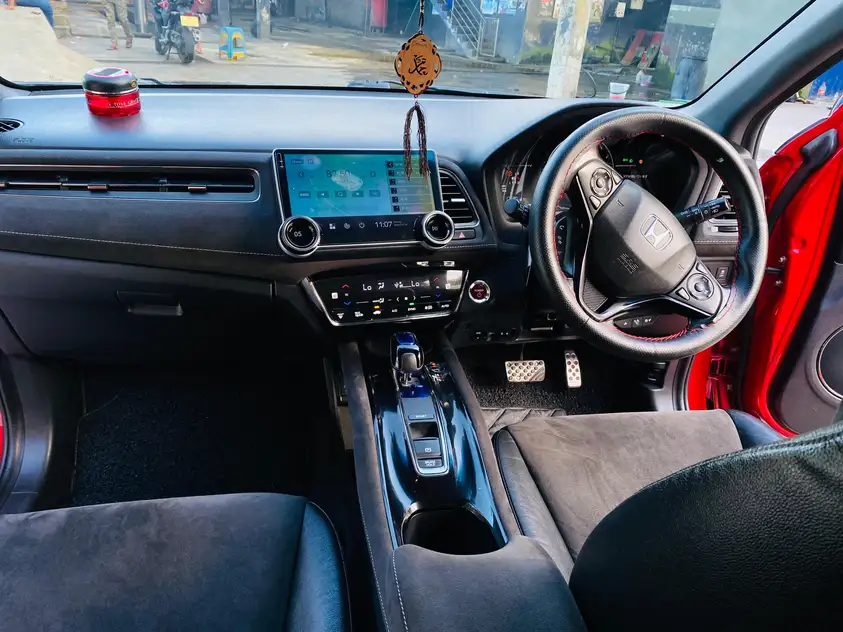
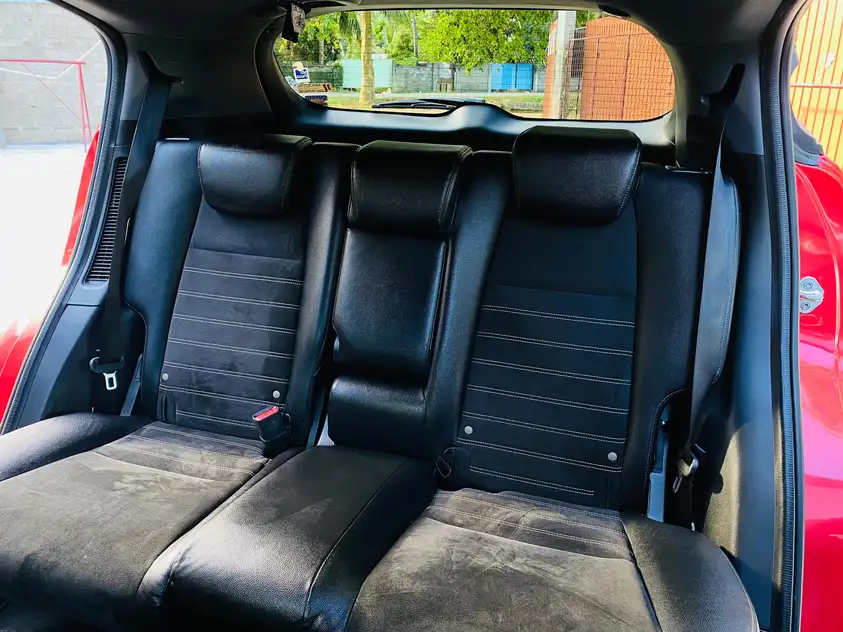
SUV$40/dayHonda Vezel · Auto · Comfortable for Udawalawe approach
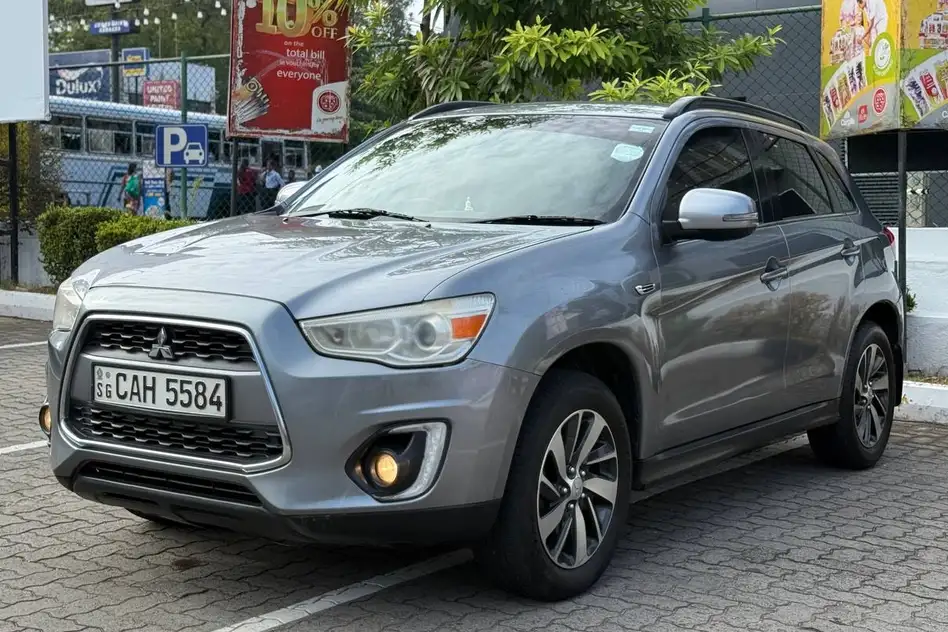
Mid-range SUV$45/dayMid SUV · Auto · Udawalawe rough approach tracks, wet season
⚠ All cars automatic. IDP strongly recommended. Whale watching season
(November–April) brings peak demand — book 2–3 weeks ahead for December–March.
Driving Sri Lanka’s south coast from Aparekka
Sri Lanka drives on the left, with the steering wheel on the right — same as the
UK and Australia. All Aparekka-area rental cars are automatic. The A2 coastal
highway is the main road through this region; it’s in good condition but carries
constant local traffic including intercity buses and tuk-tuks.
Night driving to Rekawa
The Rekawa approach road is partially unlit. Reduce speed significantly
from the daytime limit. Watch for pedestrians and tuk-tuks with dim lighting.
Return from the turtle tour slowly on the same road.
Southwest monsoon (May–Sep)
Rough Indian Ocean seas make whale watching impractical and open beach
swimming unsafe. Udawalawe, Dondra Head, Matara, and inland drives
remain accessible year-round.
International Driving Permit
Strongly recommended. Police checkpoints on the A2 south coast routinely
request one alongside a foreign licence. Obtain before departure —
~£5–10 from AA or RAC in the UK.
Fuel before Udawalawe
Fill up in Matara before heading north to Udawalawe. Petrol stations
become sparse on the inland approach road to the park.
Wildlife on roads
Monitor lizards and peacocks cross the south coast roads regularly.
Near the Udawalawe approach, elephants may be present on rural roads
— slow down and never approach or sound your horn.
Speed limits and BAC
50 km/h in towns, 70 km/h on open A2 sections. Blood alcohol limit:
0.08%. Drive defensively on the A2 — tuk-tuks change direction
without warning.
What you need to rent a car near Aparekka
If cars are available directly in Aparekka, requirements are as standard. If
picking up from Matara or Galle (the nearest larger fleets), the same documents
apply throughout. The with-driver option is available from Matara and Galle pickups.
Valid passportOriginal required at all times in the vehicle. Do not rely on a photograph at police stops.
Home country driving licenceCurrent physical card. Digital copies not universally accepted by suppliers.
International Driving PermitStrongly recommended. Obtain before departure — cannot be issued inside Sri Lanka. ~£5–10 from AA/RAC.
Booking confirmationPrinted or digital. Save the supplier’s 24-hour contact number in your phone before collecting.
Credit or debit cardMany south coast suppliers accept debit — use the “no credit card” filter on Rentrals when searching.
Minimum age 21Young driver surcharge may apply for 21–24. With-driver option available from Matara/Galle — no passenger age restriction.
Car rental near Aparekka — frequently asked questions
Yes. Dondra Head is the southernmost geographical point of Sri Lanka — the
headland where the island’s landmass ends and the Indian Ocean opens south
toward Antarctica, with no other land between Dondra Head and the South Pole.
The 49-metre lighthouse here is the tallest in Sri Lanka, built by the British
in 1890 and visible 27 nautical miles at sea. Still operational. The Dondra
Dewundara Vishnu Devale adjacent to it is one of four most sacred Vishnu
shrines in the country. It is approximately 8km from Aparekka — 10 minutes
by car rental Aparekka Dondra Head route. No entry fee; parking near the
lighthouse approach.
Yes — and a rental car is the most practical way to do this. Mirissa Harbour
is approximately 22km west of Aparekka (30 minutes by car). Whale watching
boats depart at approximately 6:00–6:30am; a 5:30am departure from Aparekka
arrives at the harbour with time to spare. Without a car at that hour, taxis
are expensive and unreliable from this area — the rental car removes that
uncertainty entirely. The car parks at Mirissa Harbour while you’re on the
water. Trips typically return by noon, leaving the afternoon free for
Dondra Head and the south coast.
Rekawa Beach is approximately 15km east of Aparekka — Sri Lanka’s most
important sea turtle nesting site. All five species that nest on Sri Lankan
shores come to Rekawa: Green, Hawksbill, Loggerhead, Olive Ridley, and
Leatherback. A community-run conservation programme guides small groups to
nesting turtles after dark, with strict no-light and no-touch protocols.
Turtle activity peaks after 9–10pm. A car rental Aparekka Rekawa turtle
beach visit is essential because no practical public transport serves Rekawa
after dark, and tuk-tuks from Tangalle for late-night returns are unreliable.
Drive slowly on the unlit coastal road and return the same way.
Udawalawe has approximately 500–600 resident Asian elephants in an open,
dry-zone landscape where sightings are near-guaranteed at almost any time
of day. Yala National Park has more varied wildlife — leopards, sloth bears,
crocodiles — but Yala’s western circuit has become severely overcrowded.
Jeep convoys of 20 or more vehicles surrounding a single leopard sighting
are common, which significantly diminishes the experience. Udawalawe’s
elephant encounters are calmer, more genuine, and far more reliable. For
first-time safari visitors or anyone whose priority is elephant sightings,
Udawalawe is the practical choice.
The Star Fort is a small Dutch colonial fortification on an island in the
Nilwala River in Matara, approximately 12km west of Aparekka. Built in 1763,
it is a geometrically perfect star-shaped bastion — five symmetrical pointed
bastions around a central courtyard. It is entirely separate from the larger
Matara Fort on the riverbank. Access is via a narrow bridge from the town.
The interior functions as a small museum. The car rental Aparekka Matara
Dutch Fort trip that includes both the main fort and the Star Fort makes an
excellent half-day from Aparekka — significantly less crowded than Galle’s
UNESCO fort and arguably more photogenic.
November to April is the best season for the south coast. The Mirissa whale
watching season runs November–April, with December–March the most reliable
for blue whale sightings. Rekawa turtle nesting peaks December–April.
Tangalle’s beaches are calm and swimmable. The southwest monsoon
(May–September) brings rough Indian Ocean seas — whale watching is
impractical and open beach swimming unsafe during this period. Udawalawe
National Park is excellent year-round, and the Elephant Transit Home
viewing is available on every day of the year. Dondra Head and Matara are
accessible in all seasons.
No. The route from Aparekka to Udawalawe — via the A2 east and then north —
is paved and manageable in a standard car (Suzuki Wagon R or Toyota Aqua).
Once you arrive at the park gate, a licensed park jeep is mandatory for the
safari inside — your rental car parks at the gate while the jeep takes you
inside. You do not need an SUV for a standard visit. A mid-range SUV (from
$45/day) is more useful in the wet season when the approach track can become
muddy, or if you plan to explore rural areas beyond the main road during your
south coast itinerary.
Yes. This is one of the most practical one-day circuits from Aparekka.
Depart for Mirissa at 5:30am for the 6am whale watching boat; return from
the boat by noon. Drive east to Dondra Head (8km, 10 minutes from Aparekka)
— allow 45 minutes for the lighthouse and temple. Continue east to Rekawa
(15km, 20 minutes) in daylight — note the approach for the night tour if
returning. Continue to Tangalle (32km, 40 minutes) for the afternoon beach.
Total driving is minimal; the day is full. If you also want the Rekawa night
turtle tour, plan a two-day structure — night tours peak after 9–10pm.
Yes. All cars at or near Aparekka on Rentrals are automatic — no manual
transmission options exist at this location or at the nearest Matara/Galle
pickups. This is particularly important for visitors from right-hand traffic
countries (US, continental Europe) adapting to Sri Lanka’s left-hand roads,
where an automatic removes one significant complication. If the Aparekka
widget shows no availability, both Matara (15 min west) and Galle (45 min
west) have larger fleets, all automatic.
The minimum rental age at most suppliers in the Aparekka/Matara/Galle area
on Rentrals is 21. Drivers aged 21–24 may pay a young driver surcharge per
day. Some larger vehicles — SUVs and family vans — may require a minimum
age of 25. Check the specific terms for your chosen vehicle at the booking
stage. The with-driver option (available from Matara and Galle pickups) has
no passenger age restriction, as the driver holds their own Sri Lankan licence.
Yes. One-way rentals within Sri Lanka are available — pick up near Aparekka
or Matara and drop off in Galle, Colombo, Kandy, or any of the 65 Rentrals
Sri Lanka locations. This works well for the A2 coastal road trip: pick up
at CMB Airport or Colombo, drive south through Galle and past Aparekka,
continue to Tangalle and Tissamaharama. Or the reverse — pick up near
Aparekka, drive the south coast north, and drop off in Colombo. One-way
fees vary by distance and are shown at the booking stage before you confirm.
The A2 coastal road through Aparekka and toward Rekawa is partially unlit
at night. Reduce speed significantly from daytime limits. Watch for
pedestrians walking on the verge without lights, tuk-tuks with dim or
non-functioning rear lights, and the occasional animal on the road. For
the Rekawa turtle tour specifically: the approach track to the beach is
unlit and narrow — drive at very low speed on arrival and departure. If you
are unfamiliar with Sri Lankan roads at night, or if this is your first time
driving in Sri Lanka, the with-driver option is worth considering for the
Rekawa night visit.
Car hire across Sri Lanka
The Aparekka area is part of Sri Lanka’s southern coast corridor. Every destination
below has rental options on Rentrals Sri Lanka —
whether you’re continuing east to Tissamaharama, heading north to Colombo,
or planning a separate circuit entirely.
.webp?1788338398)
.webp?1788338392)


 Boats depart Mirissa Harbour at 6:00–6:30am


