Car Rental Bajram Curri — Valbona Valley, Komani Lake & the Accursed Mountains
Everything you need to rent a car in Bajram Curri — Albania’s most remote highland town and the base for the Valbona Valley, the Komani Lake ferry, and the Albanian Alps. Road conditions, SUV requirements, Kosovo border logistics, and the Valbona–Theth hike car drop-off explained honestly.
Bajram Curri is the administrative capital of Tropojë municipality in northeastern Albania, sitting at approximately 380 m above sea level in the Valbona River valley. The town has around 10,000 residents and is the last significant settlement before the Albanian Alps rise sharply to the north. Pristina (Kosovo) is roughly 95 km northeast via the Qafë Morinë border crossing.
No railway reaches Bajram Curri. Buses from Tirana run once or twice daily on a 6–7 hour journey, and they don’t reach Valbona village at all. There are no car rental desks in the town itself — the fleet available for this location is delivered to you. For anyone planning to explore the Valbona Valley, do the Valbona–Theth hike, or cross into Kosovo, a hire car isn’t optional. It’s the only practical option.
Key Distances
Tirana to Bajram Curri: ~260 km via Rruga e Kombit (SH1)
Bajram Curri to Valbona village: 21 km on a valley road
Bajram Curri to Fierza (Komani ferry pier): 23 km
Bajram Curri to Kosovo border (Morinë): ~95 km
Bajram Curri to Shkodër: ~165 km via Kukës and Rruga e Kombit
Bajram Curri to Kukës: ~48 km on the SH20
What’s Here
Valbona Valley National Park — one of Albania’s most visited protected areas
Access point for the Valbona–Theth cross-mountain hike (6–8 hours)
Fierza pier — where the Komani–Fierza ferry arrives
Albanian Alps (Bjeshkët e Namuna — the Accursed Mountains)
Kosovo border 95 km away — common for multi-country Balkans road trips
Gashi River Nature Reserve — one of Europe’s last wild river valleys
Why Public Transport Doesn’t Work
One or two daily buses from Tirana, journey time 6–7 hours
Buses terminate in Bajram Curri town — no service to Valbona village
No taxi rank in Valbona or Theth — arranged informally and unreliably
No local bus to Fierza for the Komani ferry
Returning from Theth after the hike requires a pre-booked vehicle
A rental car is the only option that gives you full timing control
When to Go
The region is accessible by car June–September reliably
May is possible but snow can still block higher passes
October is beautiful and quiet — roads generally still open
November–April: mountain roads can close without warning
The Valbona–Theth trail is only safe June–September
Komani ferry runs year-round but with reduced frequency in winter
Why You Need an SUV for Bajram Curri
This is the single most important piece of advice for anyone planning to rent a car for northern Albania. An SUV or crossover with reasonable ground clearance is not a luxury upgrade here — it’s a practical necessity for the roads you’ll actually be driving.
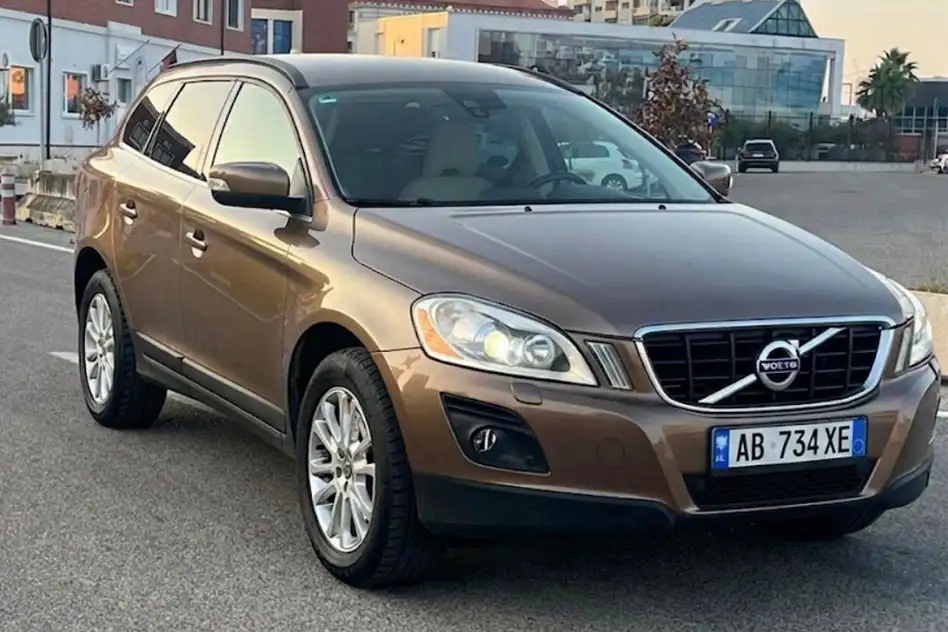
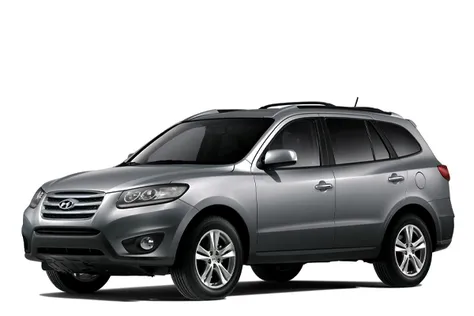
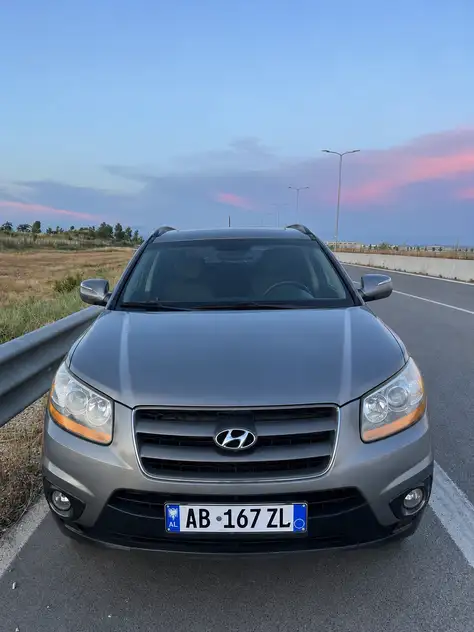
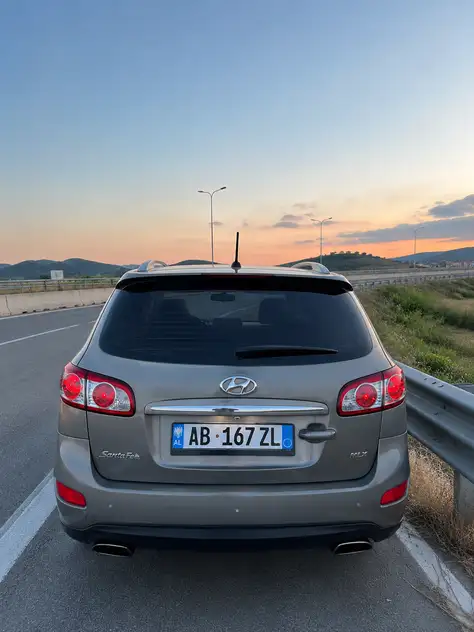
Don’t book an economy car for this region. The road from Bajram Curri into the Valbona Valley has gravel sections, unpaved stretches near the upper village, and flood-damaged sections that reappear annually. Low-clearance cars — small hatchbacks, economy saloons, compact city cars — get stuck, scrape their undercarriage, or sustain damage that voids standard insurance. A Dacia Duster, VW Tiguan, Toyota RAV4, or similar SUV is what you need.
Road Conditions to Expect
Bajram Curri to Valbona village: 21 km, paved for the first 15 km, then gravel and dirt near the upper reaches
Standard compact cars with less than 150 mm clearance
Any vehicle your insurance won’t cover for gravel road damage
Sports or performance variants with wide low-profile tyres
Electric vehicles — charging infrastructure is non-existent in this area
Insurance note: Standard CDW policies often exclude tyre damage, undercarriage damage, and damage from unpaved roads unless you’re on full zero-excess insurance. In the Valbona Valley, these exclusions matter. Full insurance for this region is not optional — a rock strike on an unseen pothole will cost you €500–1,500 in excess on a basic policy.
Tirana to Bajram Curri — The Drive
The drive from Tirana to Bajram Curri is approximately 260 km and takes 3.5–4.5 hours depending on traffic and whether you stop. The route via Rruga e Kombit (the SH1 national highway) is one of the best mountain drives in the Balkans — built to a high standard and dramatically scenic through the Drini gorges and the approaches to Kukës.
1
Tirana to Kukës — ~185 km (2–2.5 hours)
Take the SH1 north from Tirana. The road climbs steadily through the Drini gorge, passing through tunnels and across modern viaducts before descending into the Kukës basin. This section is the best road on the entire route — dual carriageway quality, well-signposted, and fast. Kukës itself sits on an artificial lake created by the Fierza dam. Fill your fuel tank here before continuing — petrol stations become sparse north of Kukës.
2
Kukës to Bajram Curri — ~48 km (50–70 minutes)
From Kukës, take the SH20 northeast. The road follows the Valbona River valley upstream. The quality is generally decent tarmac but narrower than the SH1, with some patched sections and occasional tight bends. Allow 50–70 minutes. The approach into Bajram Curri town involves a few kilometres of winding descent. No fuel between Kukës and Bajram Curri — fill up in Kukës.
3
Bajram Curri town — orientation
The town is small and straightforward. The main street runs through the centre with a handful of restaurants, small hotels, and basic shops. It’s a functional base rather than a tourist destination in itself. Most visitors spend one night here and drive to Valbona the next morning. Fuel is available in the town centre.
4
Bajram Curri to Valbona — 21 km (40–60 minutes)
Head northwest from the town centre following signs for Valbona. The first 15 km is asphalted and reasonable. Beyond that, the road becomes gravel and then rough track near the upper village. This section is where ground clearance matters — take it at 20–30 km/h on the rough parts. Do not attempt this in a standard economy car.
Fuel logistics: Fill up fully in Tirana before departure. There is one fuel station in Kukës (148 km from Tirana) and fuel is available in Bajram Curri town. There is no petrol station in Valbona village. If you’re driving into the upper valley and returning, ensure you have at least half a tank when you leave Bajram Curri.
Komani Lake Ferry and Your Rental Car
The Komani Lake ferry — officially the Koman–Fierza ferry — is one of the most photographed boat journeys in Europe. The 2.5-hour crossing winds through the narrow reservoir formed by the Fierza dam, with sheer rock walls rising several hundred metres on both sides. It’s the scenic approach to Bajram Curri from the south, running from Koman pier (near Shkodër) to Fierza pier (23 km from Bajram Curri).
The critical question for car renters: rental cars are not loaded onto the Komani ferry. The ferry carries passengers and cargo but does not transport hire vehicles. If you want to do the ferry crossing, you travel as a foot passenger and arrange separate transport at each end.
Ferry Basics
Koman pier to Fierza pier: approximately 2.5–3 hours. Departs Koman at 09:00 daily (confirm times — seasonal variations apply). Returns from Fierza at 13:00. A passenger ticket costs approximately €5–8 each way. The ferry carries bicycles and motorbikes; it does not carry hire cars.
Car Logistics
If you arrive at Bajram Curri by car, the ferry is a passenger excursion — you leave the car in Bajram Curri or Fierza and board as a foot passenger. Return to your car the same day. Do not attempt to drive a rental car onto the Koman ferry — the vessel is not equipped for car transport and the jetty does not accommodate it.
Where to Leave the Car
Leave the car in Bajram Curri town (secure parking near the main square, approximately €3–5/day at a guesthouse) and take a local taxi or pre-arranged minibus the 23 km to Fierza pier. Alternatively, drive yourself to Fierza, park there (informal parking area by the pier), and board. The 23 km Bajram Curri–Fierza road is paved and takes about 35–40 minutes.
Alternative Approach
A popular itinerary: pick up your rental car in Tirana, drive to Bajram Curri (260 km, 3.5–4.5 hours). Do the Komani ferry as a day trip passenger excursion. Use the car to access Valbona valley and the Kosovo border. Return the car in Tirana or a different city. This avoids the car-ferry problem entirely.
Tip: The Komani ferry runs more reliably and more frequently June–September. In October it still operates but check the latest schedule with local guesthouses the day before. In winter (November–April), service can reduce to 3–4 days per week or suspend temporarily due to weather.
Bajram Curri to Valbona Valley — What to Expect
Valbona Valley National Park is the main reason people come to this region. The valley floor runs roughly 21 km northwest of Bajram Curri, with the Valbona River cutting through the park between steep Alpine peaks reaching 2,694 m at Mount Jezerca. This is genuine wilderness — remote, beautiful, and physically demanding to access.
The Road In
Leave Bajram Curri on the road heading northwest, following Valbona signs
First 13–15 km: asphalted road in decent condition, a few potholes
Village of Valbona (Fshat): basic facilities, a few guesthouses, the end of reliable tarmac
Beyond Valbona village: gravel and dirt track, requires SUV ground clearance
Upper valley (Rrogam): rough track, stream crossings possible after rain — 4WD recommended
Total journey time: 40–60 minutes depending on road surface and stops
What to Do in Valbona
Day walks in the valley — multiple trails marked from the guesthouses
The Valbona–Theth hike (6–8 hours, see next section)
Mountain biking on the valley floor roads (own bike required)
Photography — the valley is genuinely spectacular in clear weather
Guesthouses offer local food — book ahead in July and August
No phone signal in the upper valley — download offline maps before leaving Bajram Curri
Essential Logistics
No fuel station in Valbona — fill up in Bajram Curri before entering the valley
No ATM in Valbona — guesthouses accept cash only in Albanian Lek or Euros
Mobile signal: weak or absent beyond the lower village
Medical facilities: none in the valley, nearest in Bajram Curri town
Emergency vehicle recovery: limited — full insurance matters here
Carry water — drinking from streams is possible higher up but not guaranteed safe lower down
Weather and Road Access
After heavy rain: the upper valley track can flood or develop deep ruts
Snow possible at any time above 1,500 m from October onwards
The valley floor road generally remains accessible May–October
Never drive the upper track in a standard car after rainfall
Check conditions with your guesthouse the evening before entering the upper valley
Turning around is always an option — don’t push into bad conditions
Valbona–Theth Hike — Car Logistics Explained
The Valbona–Theth crossing is the most famous day hike in Albania — approximately 19 km, 6–8 hours, over a mountain pass (Valbona Pass, 1,783 m). It’s one-directional: you start in one valley and finish in the other. This creates a logistical problem with a rental car that most travel sites fail to address clearly.
Option 1: Two separate cars
Person A drives Car 1 from Valbona to Theth, parks
Person B drives Car 2 from Theth to Valbona, parks
Both hike in opposite directions, collect each other’s car at the other end
Requires two cars (expensive) or two different rental bookings
Only practical for groups travelling together with separate vehicles
✗ Option 2: Return to starting valley
Hike Valbona to Theth, then arrange a taxi or minibus back to Valbona
Theth–Valbona taxi: ~€40–60, 2+ hours on mountain roads
Minibus (shared): available informally in Theth, not guaranteed daily
Your rental car waits in Valbona while you sort return transport
Complicated and dependent on finding a driver in Theth village
The most practical solution: Park your rental car in Bajram Curri town for 2–3 days (secure guesthouse parking available, ~€3–5/day). Take a shared minibus or pre-booked local taxi to Valbona for the hike start. Complete the Valbona–Theth hike. Arrange a taxi or guesthouse vehicle from Theth to Shkodër (€50–80, 2.5 hours). Pick up a fresh rental car in Shkodër or continue by other transport. This completely decouples the hike logistics from the rental car.
Theth Basics
Theth is a small traditional village in a parallel valley west of Valbona. It has guesthouses, basic shops, and a famous blue-eyed lake (Syri i Kaltër). It’s accessible by car from Shkodër (70 km, 2–2.5 hours on a mountain road that has been upgraded in recent years but remains narrow and winding).
Driving Theth from Shkodër
The Shkodër–Theth road (SH22) is the most practical way to reach Theth by car. It’s asphalted for most of its length now but requires careful driving on the descent into the Theth valley. An SUV is recommended but a careful driver in a compact sedan can manage in good summer conditions. Allow 2–2.5 hours from Shkodër.
Hike Preparation
The Valbona–Theth crossing requires: a full day (start by 08:00), proper hiking boots, enough water for 8 hours (no reliable source on the pass), a map or downloaded offline route, and clear weather. Do not start the hike in rain or if clouds are covering the pass — the trail is exposed and can be dangerous in poor visibility.
Kosovo Border — Car Rental from Bajram Curri
Bajram Curri is approximately 95 km from the main Kosovo border crossing at Qafë Morinë. This is the same border crossing used on the Tirana–Pristina route via Rruga e Kombit, making the Bajram Curri–Kosovo route a natural extension for anyone doing a northern Albania loop.
Detail
Information
Border crossing
Qafë Morinë — the main Albania–Kosovo land border on the SH1
Distance from Bajram Curri
~95 km via Kukës and the SH1 (1.5–2 hours)
Cross-border fee
€20–40 per rental agreement — must be declared at booking
Documents required
Passport (not national ID), green card listing Kosovo, written authorisation from rental company
Currency in Kosovo
Euro — no currency exchange needed
Border wait time
10–30 minutes on regular days; 1–2 hours on summer weekend evenings
Road to Pristina from border
~90 km, modern highway, 1–1.5 hours
Prizren (Kosovo) from border
~45 km, 40 minutes — highly recommended stop
Critical: Kosovo authorisation must be declared and paid for at booking — not when you arrive at the border. Your green card (international insurance certificate) must explicitly list Kosovo. Crossing without that authorisation invalidates your entire insurance. If you’re planning a Bajram Curri–Kosovo loop, declare it when you make the reservation. The fee is small; the consequence of crossing without it is not.
Bajram Curri → Pristina route: Bajram Curri town → Kukës (48 km, 50 min) → Morinë border crossing → Prizren (45 km, 40 min from border) → Pristina (90 km, 1.5 hours from border). The full Bajram Curri to Pristina drive takes approximately 3.5–4 hours. Prizren is one of the most beautiful cities in the Balkans and well worth an overnight stop.
Which Car to Choose
The choice here is more constrained than in other Albanian cities. The Valbona Valley road and the northern mountain tracks eliminate certain vehicle classes entirely. Here is what works and what doesn’t for this region.
Dacia Duster (Best Choice)
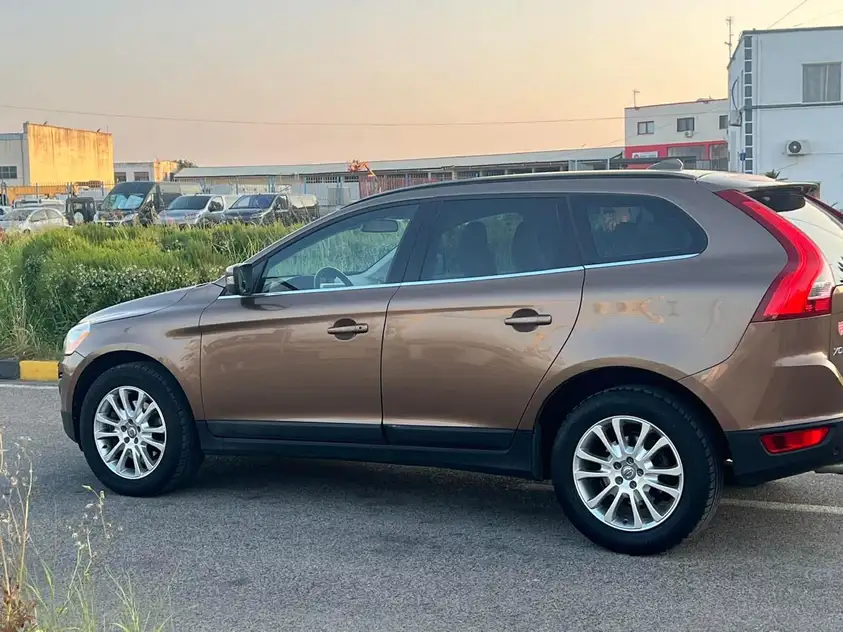
The most practical car for Bajram Curri and Valbona. Ground clearance of around 210 mm, 4WD available on some variants, affordable, and widely available in the Albanian rental fleet. Not glamorous — exactly right. Handles the Valbona valley road comfortably and the Kosovo highway without complaint. Book this if it’s available.
VW Tiguan / Skoda Kodiaq
More comfort for longer driving days (Tirana to Bajram Curri is 3.5–4.5 hours) while still handling the mountain roads. Good ground clearance, larger boot space for hiking gear and luggage. Costs more than a Duster but worth it for the comfort on the Rruga e Kombit sections. Available in the 180+ fleet — book 2–3 weeks ahead in summer.
Toyota RAV4 / Jeep Renegade
Both handle the Valbona valley track well. The RAV4 has proven mountain reliability and good clearance. The Jeep Renegade is narrower — useful on the tighter sections of the Bajram Curri–Valbona road. If you’re going to the upper valley near Rrogam, these are the most capable options in the standard rental fleet.
Economy Cars — Avoid
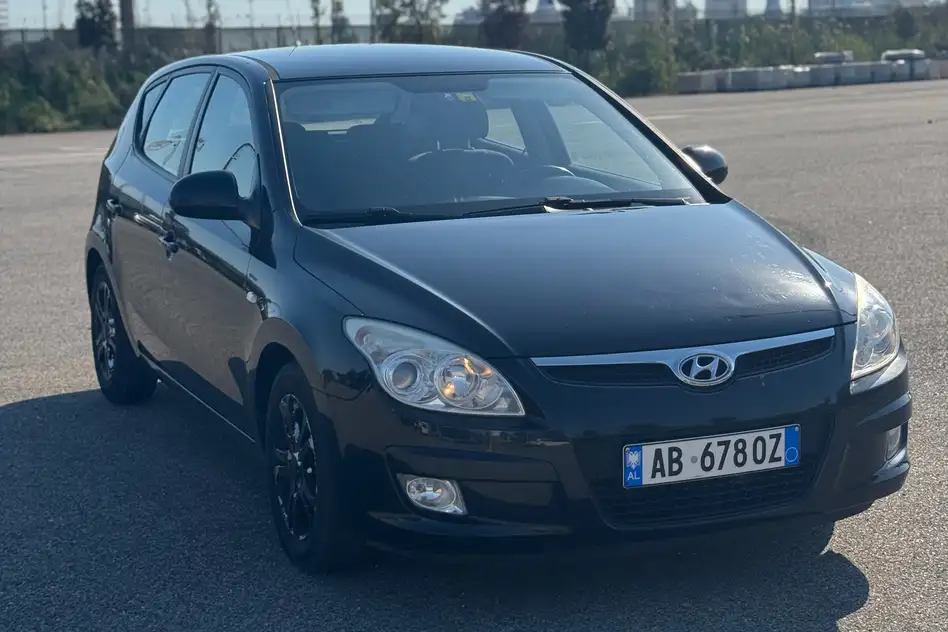
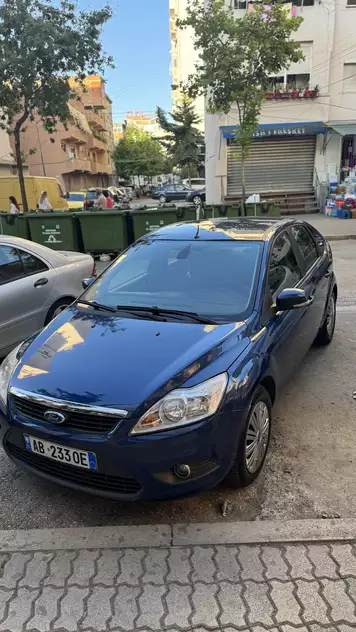
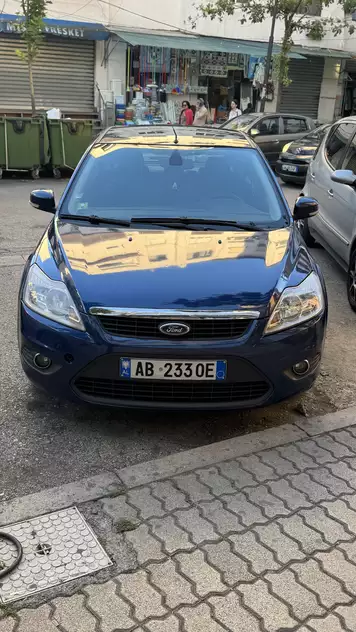
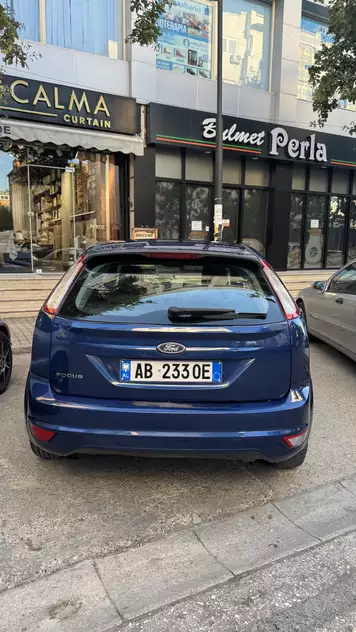
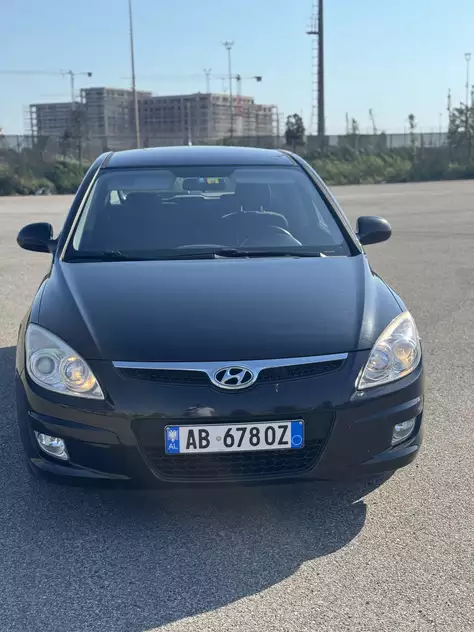
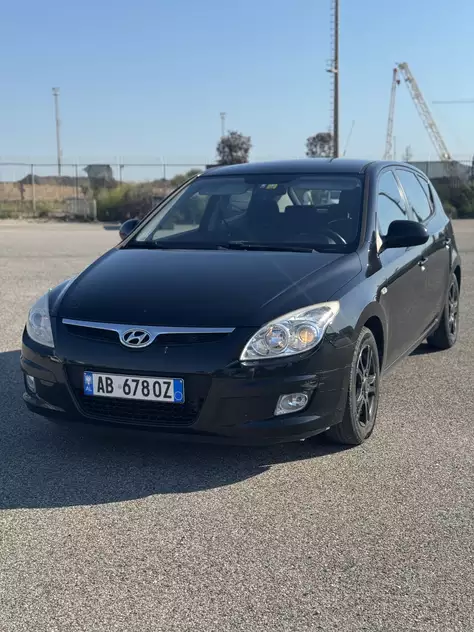
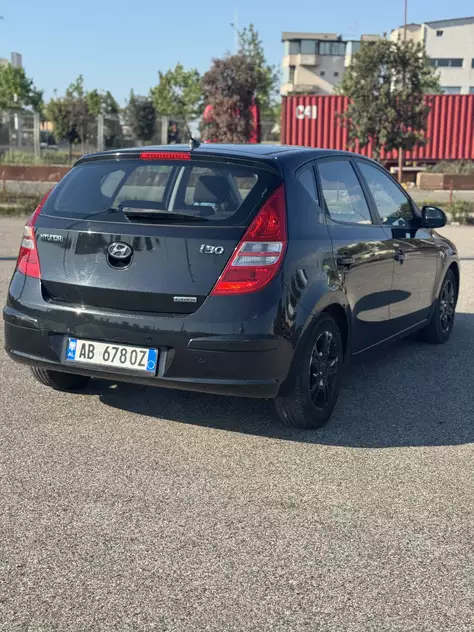
Fiat 500, Hyundai i10, VW Polo, and similar small economy cars are not suitable for this region. Ground clearance of 120–150 mm is insufficient for the Valbona gravel sections. Undercarriage damage from rocks and potholes is not covered by standard insurance. If economy is your only option, stick to Kukës and the SH1 and don’t enter the Valbona valley.
No Electric Vehicles
There are no EV charging points in Bajram Curri, Valbona, or anywhere in Tropojë municipality. The nearest charging infrastructure is in Shkodër or Kukës. Do not book an electric vehicle for this itinerary. Hybrid vehicles (petrol-electric, not plug-in) are fine — they run on petrol when the battery depletes.
Automatic vs Manual
Automatic transmission is strongly recommended for the Valbona valley road. The combination of steep inclines, loose gravel, and tight turns is significantly more stressful in a manual car. The Tirana–Bajram Curri drive on the SH1 is easy in either, but the final stages into the valley reward automatic gearboxes. Both available — specify at booking.
Car Rental Prices for Bajram Curri
Prices for the Bajram Curri area start higher than Tirana or Durrës because the fleet skews toward SUVs and higher-clearance vehicles. The €33/day starting rate applies to the smallest appropriate vehicle for this region — compact crossovers and entry-level SUVs. Economy cars are available from €22/day but are not recommended for the mountain roads here.
Car Class
Example Models
Low Season/day
High Season/day
7 Days (approx.)
Compact Crossover
Dacia Duster, Nissan Juke
from €33
from €46
from €215
Mid SUV
VW Tiguan, Skoda Kodiaq, RAV4
from €42
from €60
from €275
Standard Sedan *
Skoda Octavia, Toyota Corolla
from €24
from €34
from €155
7-Seater / MPV
Ford Galaxy, VW Touran
from €40
from €58
from €255
Luxury SUV
BMW X5, Mercedes GLE
from €75
from €110
from €490
* Standard sedans can handle Tirana–Bajram Curri and Kukës–Bajram Curri roads but are not recommended beyond the lower Valbona village on the valley road.
No Deposit & Low Deposit
No-deposit rentals are available on select vehicles including some SUV models. No security hold placed on your card — full insurance is included in the daily rate. Low-deposit options (€100–200 hold) are also available. For a remote destination like Bajram Curri, where vehicle recovery would be expensive, no-deposit with full insurance is the most stress-free combination.
Best Booking Strategy
Book 3–4 weeks ahead in summer — SUVs sell out fastest
June and September: better availability than July–August, same scenery
Always book full insurance for this region — the excess risk is real
Declare Kosovo cross-border at booking if applicable (€20–40 fee)
Weekly rates save significantly over daily rates for 5+ days
Road Trip Routes from Bajram Curri
Bajram Curri is a destination that rewards multi-day planning. Here are the most logical routes using it as a base or as a waypoint on a larger Albania or Balkans itinerary.
Bajram Curri → Valbona Valley
The 21 km drive into the national park. Leave early — before 08:00 in summer to reach the upper valley before other visitors. Park near the main guesthouse cluster in the lower village for day walks, or push further up the gravel track toward Rrogam for wilder terrain. Allow a full day. Do not leave the valley after dark on the upper track.
21 km40–60 minSUV requiredFull day
Bajram Curri → Fierza → Komani Ferry
Drive 23 km to Fierza pier on the paved reservoir road (35–40 minutes). Park at the pier or take a taxi from Bajram Curri. Board the ferry as a foot passenger at 13:00 (Fierza departure — confirm times). The 2.5-hour crossing through the Komani gorge is the reason people come. Return on the morning ferry or stay overnight near Koman and drive back the next day.
23 km to pier2.5 hr ferryAny car to pierDay trip
Bajram Curri → Kosovo (Prizren & Pristina)
Head south to Kukës (48 km), then take the SH1 northeast toward the Morinë border (95 km from Bajram Curri total). Prizren is 45 km beyond the border — a beautiful Ottoman city worth an overnight. Pristina is 90 km from the border and Albania’s culturally closest capital city. Kosovo uses the Euro. Cross-border fee €20–40, declared at booking.
95 km to border3.5–4 hr to PristinaCross-border feeAny SUV
Bajram Curri → Shkodër
165 km south via Kukës and Rruga e Kombit to the SH1 junction, then west to Shkodër. About 2.5–3 hours. Shkodër is a proper city with restaurants, hotels, banks, and the Rozafa Castle. It’s also the departure point for the Theth road. If you’re doing the Valbona–Theth hike and need to regroup, Shkodër is the logical recovery point.
165 km2.5–3 hrAny carYear-round
Tirana–Bajram Curri–Kosovo Loop
Tirana → Rruga e Kombit → Bajram Curri (260 km) → Valbona Valley (2–3 nights) → Kosovo border (95 km) → Prizren → Pristina → return to Tirana via Kukës (~330 km). A 6–8 day loop that covers Albania’s best mountain scenery and Kosovo’s best city. Requires Kosovo cross-border authorisation on the rental agreement from day one.
~650 km total6–8 daysSUV requiredCross-border
Northern Albania Complete Circuit
Tirana → Shkodër → Theth (2 nights) → back to Shkodër → Bajram Curri via Komani ferry (foot passenger) → Valbona (2 nights) → Kosovo → return to Tirana. About 10–12 days. This covers the full Albanian Alps experience. Leave the car in Shkodër when doing the ferry leg. A Dacia Duster or equivalent SUV is needed throughout this circuit.
Full circuit10–12 daysSUV requiredCross-border
Driving Tips for Northern Albania
Northern Albania is not difficult driving if you’re prepared for what’s there. These tips address the specific conditions of the Bajram Curri region, not general Albanian driving rules.
Fuel planning
Fill up fully in Tirana before leaving. Next reliable fuel: Kukës (185 km). Fill again in Kukës. Bajram Curri has fuel. Nothing beyond that in Valbona or on mountain tracks. Running out of fuel in the upper valley means a very long walk.
No signal zones
Mobile signal disappears in the upper Valbona valley and in sections of the Komani lake gorge. Download offline Google Maps for the entire region before you leave Kukës. Save guesthouse phone numbers while you still have signal in Bajram Curri town.
After rainfall
Mountain roads in this region change after heavy rain. The Valbona upper track can flood or develop ruts deep enough to ground a standard car. If it rained heavily overnight, drive into the lower valley first and assess before continuing. Locals will tell you the current state of the upper road honestly.
No night driving
After dark in the upper valley or on the Bajram Curri–Fierza road is genuinely risky. There are no road markings, no barriers at the valley edges, and livestock on the road at night. Return to town before sunset. If you’re running late, stay overnight at a guesthouse rather than driving out in darkness.
Low gear on descents
The descents into Bajram Curri from the SH20, and the upper valley track, are steep enough that engine braking matters. Use second or third gear going down — don’t ride the brake continuously. Overheated brakes on a mountain descent with no barriers is a situation to avoid.
Livestock on roads
Cattle, goats, and horses use the valley floor road as freely as cars do. They appear around bends without warning, particularly in the early morning and evening when herds are moved between grazing areas. Drive at a speed that allows you to stop for an animal appearing 30 m ahead.
Speed and rules
Albania’s zero blood alcohol limit and headlights-on-at-all-times rules apply here equally. Speed limits on the SH1 are 110 km/h; on the SH20 and valley roads, treat 60–70 km/h as the effective maximum on the paved sections and 20–30 km/h on gravel.
Check the spare tyre
Before leaving Tirana, verify that your rental car has a functioning spare tyre and a jack. On the Valbona gravel sections, a puncture is not unusual. Knowing the spare is there and usable is not something to discover 15 km into the valley when you’re already flat.
Rental Requirements
Standard Albanian rental requirements apply. One additional consideration for Bajram Curri: the remoteness of the region means there is no local support from the rental company on-site. Have everything in order before you leave Tirana, Shkodër, or wherever you collect the car.
Driving LicenceFrom your home country. EU and EEA licences accepted. Non-Latin script licences (Arabic, Russian, Chinese, etc.) require an International Driving Permit arranged before travel — not obtainable inside Albania.
Minimum Age: 21Young driver surcharge (€5–10/day) for ages 21–24. For SUVs and crossovers in this region, some companies set minimum age at 23 or 25. Confirm at booking — don’t discover this at pickup.
1 Year ExperienceLicence held for at least 1 full year. Some companies require 2 years for SUVs and vehicles used in mountainous regions. Declared on the booking form.
Credit or Debit CardCredit card in the driver’s name for standard deposit. Debit card accepted for no-deposit packages. No cash deposits. Card must be valid for the full rental period.
PassportPassport required — a national ID card is not sufficient if you plan to cross into Kosovo. Even for Albania-only travel, a passport is strongly recommended for a remote region where ID verification may occur at checkpoints.
Booking ConfirmationDigital or printed. Keep it accessible during the trip — in a remote area, having your booking reference on hand is useful if you need roadside support.
Kosovo DeclarationIf crossing into Kosovo (95 km from Bajram Curri), the cross-border authorisation and fee (€20–40) must be arranged at booking. Declare it, don’t forget it.
Full InsuranceFull zero-excess insurance is not optional for this region. Tyre damage, undercarriage damage, and gravel road incidents are real risks. The €5–8/day extra for full coverage is the most important purchase you make for this itinerary.
When to Visit — Seasonal Guide
June
The first reliable month. Snow has typically cleared from the Valbona Pass by early June, the trail is walkable, and the valley floor road is fully open. Guesthouses reopen after winter. Prices are lower than July–August. Wildflowers in the lower valley. Some cold nights — pack layers. The best month to combine good conditions with manageable crowds.
July–August
Peak season. Guesthouses in Valbona are fully booked — reserve 4–6 weeks ahead. The Valbona–Theth trail has 50–100 hikers per day at peak. The Komani ferry gets busy and is worth booking ahead. Weather is reliably dry and warm at valley level (25–30°C). Above 2,000 m, temperatures drop sharply even in summer — take proper layering for the hike.
September
Arguably the best month. Crowds thin after the first week of September. Guesthouse availability improves. Weather remains stable — warm days, cool nights. The valley colours shift toward gold and orange by late September. The Valbona–Theth trail is still fully open and far less crowded than August. Komani ferry runs reliably. Strong recommendation for this window.
October
Beautiful but riskier. The lower valley road and the Bajram Curri–Fierza road are generally still open and accessible. The Valbona–Theth trail becomes marginal from mid-October — weather can close the pass with little warning. Snow arrives in the upper valley from late October. The Komani ferry continues but with reduced frequency. Check conditions directly with local contacts before committing to the upper valley.
Winter (November–May): The upper Valbona valley road and the Valbona–Theth trail are closed or inaccessible for most of this period. The lower valley road into Valbona village may be passable but can close after snowfall without notice. The Bajram Curri–Kukës road (SH20) stays open but requires winter tyres after November. The Komani ferry runs reduced services. Unless you’re an experienced winter mountaineer with appropriate equipment, this region is not suitable for car rental visitors November–May.
Frequently Asked Questions
Yes. The road beyond the lower Valbona village becomes gravel, then rough track with rocks and ruts near the upper valley. Ground clearance of at least 180–200 mm is needed for the sections beyond the main village cluster. A standard economy car like a Fiat 500 or VW Polo will sustain undercarriage damage on these sections — damage that standard CDW insurance does not cover. A Dacia Duster, VW Tiguan, or similar SUV is the practical minimum for the full Valbona experience. If you only want to reach the lower Valbona village and stay on the asphalted sections, a compact sedan can just about manage in dry conditions, but an SUV is still the safer choice.
No. The Koman–Fierza ferry is a passenger and cargo ferry — it does not transport hire cars. Rental cars must stay on land. The practical approach is to leave your car in Bajram Curri town (guesthouse parking, ~€3–5/day) or drive to Fierza pier (23 km, 35–40 minutes) and park there. You board the ferry as a foot passenger for the 2.5-hour crossing. If you want the full Komani ferry experience as part of your itinerary, the most logical structure is to do it as a passenger day trip from Bajram Curri, with the car waiting at Fierza or in town.
Approximately 3.5–4.5 hours for the 260 km journey. The Tirana to Kukës section (185 km) takes 2–2.5 hours on the excellent SH1 highway (Rruga e Kombit). The Kukës to Bajram Curri section (48 km on the SH20) takes 50–70 minutes on a narrower but paved road. The total journey is not difficult, but do not underestimate the second half — the road after Kukës requires more attention and is slower than the SH1. Leave Tirana by 08:00 to reach Bajram Curri before lunch with time for a stop in Kukës.
The hike is one-directional (Valbona to Theth or vice versa), which creates a car logistics problem. The most practical solution for solo or small group travellers: park the rental car in Bajram Curri town (secure guesthouse parking), take a local taxi or minibus to the hike start in Valbona (~€15–20), complete the hike, arrange transport from Theth to Shkodër (~€50–80, 2.5 hours), and either pick up a fresh rental in Shkodër or return to Bajram Curri by shared transport to collect the original car. Attempting to drive both ends of the hike yourself requires two separate vehicles.
Yes, with prior cross-border authorisation. The Kosovo border crossing at Qafë Morinë is approximately 95 km from Bajram Curri via Kukës and the SH1. The cross-border fee is €20–40, paid at booking (not at the border). Your green card must explicitly list Kosovo. The drive to Prizren (first major Kosovo city) takes about 2 hours from Bajram Curri. Kosovo uses the Euro — no currency exchange needed. The border wait is typically 10–30 minutes on regular days. Declare Kosovo at booking — adding it after pickup is often not possible.
No. There is no petrol station in Valbona village or anywhere in the national park. The nearest fuel is in Bajram Curri town, 21 km from the lower Valbona village. Before entering the valley, fill your tank to full in Bajram Curri. With a 50-litre tank and the 21 km drive in plus 21 km return plus any driving within the valley, you need roughly 8–12 litres for the valley day. If you’re also heading to Fierza (23 km) or Kosovo (95 km), calculate your fuel needs in Bajram Curri before leaving. Running out of fuel in the upper valley is a serious problem — vehicle recovery services are not available there.
Compact crossovers and entry-level SUVs start from €33/day for the Bajram Curri area — the lowest rate appropriate for the mountain roads here. Standard sedans are available from €24/day but are not recommended for the Valbona valley road beyond the lower village. The cheapest option with full insurance for the actual terrain is a Dacia Duster at €33–46/day depending on season. Booking 3–4 weeks ahead in summer secures the best rates. SUVs sell out faster than any other category for northern Albania itineraries in July and August.
Yes. No-deposit options are available on selected SUV and crossover models. Full insurance is included in the daily rate — no security hold placed on your card. For a remote destination like Bajram Curri where vehicle recovery would be expensive and stressful, this is actually the most sensible combination: no financial hold on your card and no excess exposure in the event of gravel road damage. Low-deposit options (€100–200 hold) are also available if you prefer a middle ground. Filter by deposit preference when booking.
Yes, in normal conditions. The SH20 from Kukës to Bajram Curri (48 km) is a paved road with some patched sections and occasional tight bends. It’s narrower than the SH1 and requires more attention, but it’s a straightforward drive in daylight. The journey takes 50–70 minutes. Two cautions: drive this section in daylight only — there are no road markings in places and the valley road has drops without barriers. After heavy rain, check for any reported landslide debris on the upper sections before departing Kukës.
There are ATMs in Bajram Curri town — this is a district capital, not a remote village. You can withdraw Albanian Lek and in some cases Euros from ATMs in the town centre. However, Valbona village and the national park have no banking facilities whatsoever — cash only, in Lek or Euros. Withdraw enough cash in Bajram Curri to cover guesthouse stays, meals, and any local transport in the valley before you drive in. Card payments are not accepted in Valbona guesthouses.
Four things: your passport (not a national ID card), your valid driving licence, the rental agreement with Kosovo listed as an authorised destination, and the green card (insurance certificate) explicitly naming Kosovo. The Kosovo border at Qafë Morinë is a standard EU-adjacent crossing with passport control and vehicle checks. Kosovo border guards verify insurance documents — the green card is required in original form, not as a photocopy or digital image. The crossing is at Qafë Morinë, approximately 95 km from Bajram Curri via Kukës on the SH1.
Yes. One-way rentals are available. Common return points after a Bajram Curri itinerary include: Tirana Airport (most practical for flying home), Shkodër (if continuing by bus or train), Kukës (unusual but possible), or any other city in the network. A one-way fee applies depending on the pickup and return locations. For the most popular loop — Tirana pickup, Bajram Curri/Valbona stay, return via Kosovo to Tirana — declare the full itinerary at booking so all locations are on the agreement from the start.
180+ cars from €33/day. SUVs for Valbona Valley, full insurance, no-deposit options, Kosovo cross-border authorisation, and one-way rentals back to Tirana or Shkodër.
.webp?1749814586)


 Why Public Transport Doesn’t Work
 When to Go
 Don’t book an economy car for this region. The road from Bajram Curri into the Valbona Valley has gravel sections, unpaved stretches near the upper village, and flood-damaged sections that reappear annually. Low-clearance cars — small hatchbacks, economy saloons, compact city cars — get stuck, scrape their undercarriage, or sustain damage that voids standard insurance. A Dacia Duster, VW Tiguan, Toyota RAV4, or similar SUV is what you need.
 Road Conditions to Expect
 Recommended Vehicles
 Alternative Approach
 The Road In
 What to Do in Valbona
 Essential Logistics
 Weather and Road Access
 Theth Basics
 Hike Preparation

 Dacia Duster (Best Choice)
 VW Tiguan / Skoda Kodiaq
 Toyota RAV4 / Jeep Renegade
 Economy Cars — Avoid
 No Electric Vehicles
 Automatic vs Manual
 Best Booking Strategy
 Bajram Curri → Fierza → Komani Ferry


 June
June July–August
 September
 October
 Rent a Car Across Albania — All Pickup Locations