Krujë is 35km north of Tirana and the single most historically significant day trip in Albania. The fortress where Gjergj Kastrioti Skanderbeg held off the Ottoman Empire across three sieges in the 15th century sits above an Ottoman-era covered bazaar that still functions as a working market. Tour operators sell guided day trips here for €38–€75 per person. A rental car costs you fuel and two entry fees. This guide tells you exactly how to do the self-drive version: where to park, what time to arrive, how to reach the Sari Saltik shrine, and how to extend the trip into a full northern Albania road circuit.
€26
From / Day
37+
Vehicles
€0
Deposit Option
∞
Mileage
100%
Full Insurance
Self-Drive vs Organised Tour — The Cost Comparison
Expedia, GetYourGuide, and Viator all sell guided day trips from Tirana to Krujë. The current market rate runs between €38 and €75 per person, depending on group size and what’s included. For a couple, that’s €76–€150 for a visit that typically runs 3–4 hours with a fixed itinerary, a fixed return time, and whatever pace the guide sets for the group.
A self-drive rental car from Tirana or Tirana Airport changes the numbers considerably:
Organised Tour from Tirana
€38–€75
Per person. Includes transport and guide. Fixed schedule — you leave and return on the tour’s timetable. No flexibility to stay longer at the bazaar, visit the Sari Saltik shrine, or extend north toward Shkodër.
Rental Car — Self-Drive
~€8–€12
Fuel cost for the round trip from Tirana (70km total). Plus castle entry (500 Albanian lek, approximately €4.50) and ethnographic museum (400 lek, approximately €3.50). Total for two people: roughly €20–€25. Stay as long as you want. Drive north to Shkodër afterwards if you choose.
The financial case is straightforward. The more significant advantage is time. Tour buses arrive between 10am and 4pm, which is when the castle courtyard and bazaar lane fill up. With a hire car from Krujë or Tirana, you can arrive at 8:30am, walk the bazaar and castle before the first tour group gets off the bus, and be at the Sari Saltik shrine by the time the crowds arrive below.
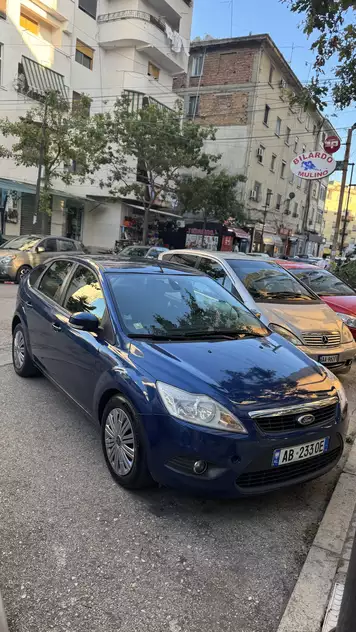
The single most useful tip for rental car visitors to Krujë: Arrive before 10am. Tour buses from Tirana begin arriving at 10am and the bazaar lane, castle entrance queue, and main car park all fill quickly between 10am and 4pm. Arriving at 8:30–9am gives you the same sites with a fraction of the visitors. This is only possible with a private vehicle.
What’s Included with Your Krujë Car Hire
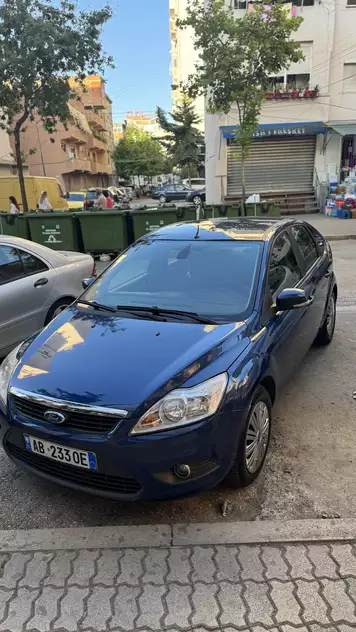
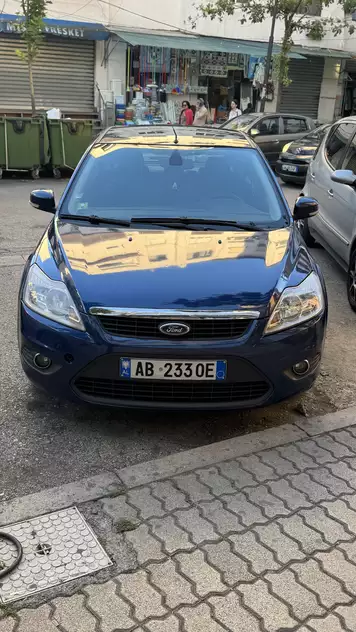
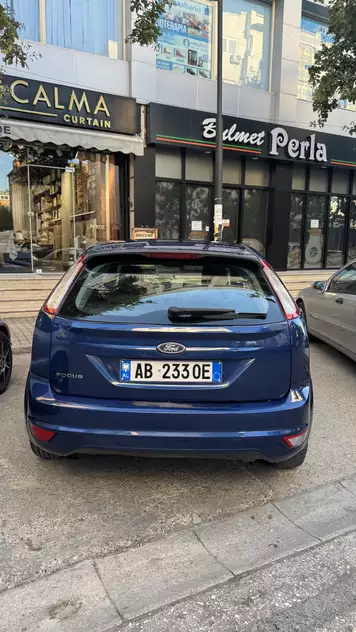
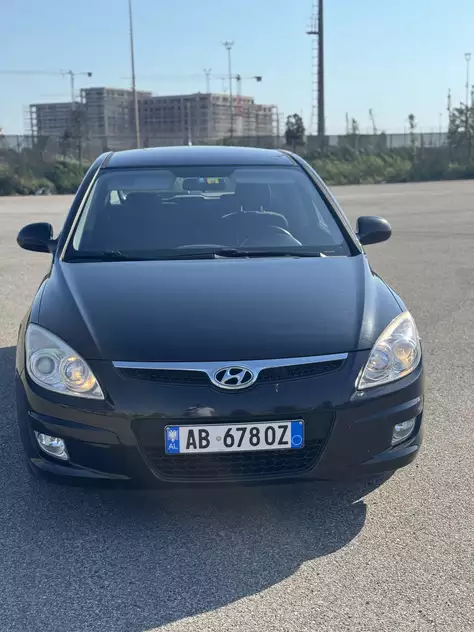
Rentrals works with trusted local suppliers in Krujë and the greater Tirana area. With 37+ vehicles available, the fleet covers economy hatchbacks, compact cars, and SUVs. Here’s what’s included with every booking:
No Deposit
No security hold on your card at vehicle collection. Your credit limit stays fully available throughout the rental.
Low Deposit Options
Smaller upfront hold in exchange for a reduced daily rate. Available from €26/day on economy and compact categories.
City Delivery
Vehicle delivered to your hotel or accommodation address in Krujë or Tirana. No transfer to a depot on arrival day.
Full Insurance
Comprehensive zero-excess cover — bodywork, windscreen, tyres, and theft. Complete protection on Albanian roads at every level.
Unlimited Mileage
No kilometre caps. Drive the full Tirana–Krujë–Shkodër route or continue further north without any distance surcharge.
37+ Vehicles
Economy hatchbacks to compact SUVs. A solid fleet for a city of this size. Book at least 2 weeks ahead during Albanian national holidays when Krujë visits peak.
Getting to Krujë by Hire Car — Tirana, the Airport, and Fushë-Krujë
The drive from central Tirana to Krujë is 35km and takes approximately 45 minutes under normal traffic conditions. From Tirana Airport (Nënë Tereza), the distance is similar — roughly 32km — and the route avoids central Tirana traffic entirely if you exit the motorway early toward Fushë-Krujë.
The route from Tirana takes the SH1 motorway north, exits at Fushë-Krujë, and then climbs on the SH36 up the hillside to Krujë town. The ascent to Krujë is noticeable — the road gains altitude quickly over the final 8km with bends and gradient changes. It’s a straightforward drive in any standard car, but it’s worth knowing that the approach to Krujë is not flat motorway driving.
Key distances: Central Tirana → Krujë: 35km, ~45 minutes via SH1 and SH36. Tirana Airport → Krujë: 32km, ~40 minutes via the airport bypass and Fushë-Krujë exit. Krujë → Shkodër: 65km north on SH1, ~55 minutes. All paved roads, all accessible in a standard economy car.
The road from Fushë-Krujë up to Krujë passes through a stretch of roadside market stalls selling copper goods, traditional Albanian clothing, and food items. These stalls are the lower end of the bazaar that extends up into the old town. You’ll know you’re on the right road when the stalls appear on both sides.
Parking in Krujë — What Every Rental Car Visitor Needs to Know
Krujë’s old town and castle are built on a hillside. The bazaar lane runs steeply uphill toward the castle, and the streets above the main road are narrow stone-paved routes for pedestrians, not cars. Understanding where to park before you arrive saves the frustration of discovering the hillside geography with a loaded car and no obvious turning space.
Main car park — base of the bazaar
The primary parking area for Krujë visitors is at the foot of the bazaar hill, on the main approach road from Fushë-Krujë. It’s informal, generally free, and has capacity for 30–40 vehicles. This fills from 10am onwards on busy days. Arrive before 9:30am on weekends in summer for a guaranteed space. From here, the bazaar lane and castle are 10–15 minutes on foot uphill.
Upper approach — near the castle entrance
A narrow road continues from the lower car park uphill toward the castle entrance. It has space for approximately 15–20 vehicles in informal bays along the approach. Getting this spot means a shorter walk to the castle but requires navigating a tight hillside road. If spaces are taken, return to the lower car park — the walk up is straightforward and the views justify it.
Roadside paid parking — main road
Along the main road through Krujë town, paid roadside parking operates in informal bays near the bazaar approach. A parking attendant typically collects 100–200 Albanian lek (approximately €1–€1.80). These spots are convenient for the bazaar but fill quickly between 10am and 2pm. Arrive early or accept a short walk from the lower free car park.
The bazaar lane itself — no vehicles
The cobbled bazaar lane running uphill through the old market is pedestrian-only. Do not drive a rental car into this lane. It narrows to a width that prevents safe passage or turning, and the cobbled surface is not suitable for low-clearance vehicles. Even if you see a local vehicle in the lane, this is not a route for hire car drivers. Park at the lower car park and walk.
Early morning strategy
Before 9am, all parking options in Krujë have space. The bazaar is quiet, the castle approach road is clear, and the light on the Skanderbeg Museum building is ideal for photography. Plan to arrive at 8:30am if your priority is the castle and bazaar without crowds. The lower car park has 24-hour access — no barriers, no closing time.
Afternoon and evening parking
After 4pm, tour buses depart and parking pressure drops significantly. If you’re staying in Krujë overnight or visiting late in the day, the lower car park has space from 4:30pm onwards and is reliable for evening visits to the castle viewpoint and the bazaar stalls that stay open until dusk.
What to See in Krujë — A Self-Drive Visitor’s Order
With a hire car and an early start, you can cover all of Krujë’s main sites in a single day without feeling rushed. Here’s a practical order that works with the crowd patterns:
1
Krujë Castle and the Skanderbeg National Museum
The castle complex at the top of the hill contains the Skanderbeg National Museum, opened in 1982 in a building designed by architects Pirro Vaso and Enver Faja within the original fortress walls. The museum covers Gjergj Kastrioti Skanderbeg’s resistance against Ottoman expansion between 1443 and 1468, including the three sieges of Krujë and the treaty negotiations that followed. The castle walls themselves are largely intact and the views across the Ishmi River valley and toward Tirana are clear on most days. Allow 1.5–2 hours.
Entry: 500 Albanian lek (~€4.50)
2
The Old Bazaar (Pazari i Vjetër)
The covered bazaar below the castle is one of the few functioning 18th-century Ottoman bazaars in the Balkans — over 100 shops still operating along a single cobbled lane running uphill from the main road. The shops sell copper goods, handwoven kilim rugs, traditional Albanian embroidery, jewellery, and carved wood items. The quality varies considerably; the better shops are toward the upper end of the lane. Prices are negotiable on most items. In the morning before tour groups arrive, the shopkeepers have time to talk — the conversations about what they’re selling and how it’s made are worth having.
Free to enter
3
The Ethnographic Museum (Muzeu Etnografik)
The Ethnographic Museum occupies one of the best-preserved 18th-century Albanian residential houses in the country — a two-storey stone building with original wooden interiors, painted ceilings, and period furnishings showing how a wealthy Krujë merchant family would have lived in the 1700s. It sits within the bazaar area, signposted on the left side of the lane heading uphill. Less crowded than the castle museum and more atmospheric in the morning light. Allow 40–50 minutes.
Entry: 400 Albanian lek (~€3.50)
4
Sari Saltik Shrine
The Sari Saltik Bektashi shrine sits above the castle, accessible by a 15-minute walk up from the castle car park area on a well-marked path. It is one of the most important Bektashi pilgrimage sites in the Balkans — a cave shrine dedicated to Sari Saltik, a 13th-century Bektashi saint whose sites are spread across multiple Balkan countries. The cave itself is small, heavily decorated with votive offerings, and tends to be quiet outside Albanian religious holidays. The ridge path to the shrine gives the best vantage point over the castle complex and the valley below. Guided tour itineraries rarely include this stop — self-drive visitors can add it easily.
Free to visit
Krujë as a Road Trip Stopover — The Northern Albania Routes
Krujë is positioned at the natural first stop on the Tirana-to-Shkodër northern corridor. Most independent travellers driving north from Tirana pass through Fushë-Krujë on the SH1 — adding Krujë as a half-day stop adds 8km each way to the journey and transforms a transit drive into a day with genuine historical context.
Tirana → Krujë (Day Trip)
The classic day trip. Leave Tirana at 8:30am, spend the morning at the castle and bazaar before the tour buses arrive, visit the Sari Saltik shrine after the castle, lunch at one of the bazaar restaurants, and return to Tirana by early afternoon. Total driving: approximately 70km. Fuel cost: €5–€8 in a standard economy car.
35km each way~45 min each waySH1 + SH36
Tirana Airport → Krujë → Shkodër
The most efficient first-day itinerary if you’re collecting a car at Rinas Airport. Drive 32km to Krujë, spend 3–4 hours, then continue 65km north on SH1 to Shkodër for the first overnight. Shkodër’s Rozafa Castle and the Buna–Bojana delta wetlands are next-day destinations. Total first-day driving: approximately 100km.
~100km total~2hrs drivingSH1 all the way
Krujë → Shkodër → Bajram Curri (Albanian Alps)
For travellers heading into the Albanian Alps (Accursed Mountains), Krujë is day one of a multi-day northern circuit. Shkodër is the overnight stop before the SH1 and SH20 east toward Bajram Curri and the Valbona Valley. The full north Albania circuit — Tirana, Krujë, Shkodër, Bajram Curri, Theth, back via Kukës — is one of the best 4–5 day drives in the Balkans and Krujë is where it starts.
Multi-day4–5 daysSH1 + SH20 + SH25
Krujë → Tirana → South Albania Loop
If Krujë is your first Albania stop and you’re heading south, the loop continues from Tirana down to Berat (2hrs), then to Gjirokastër (another 2hrs), then west to Sarandë and the coast. A one-way rental from Krujë or Tirana with a drop-off in Sarandë is the practical approach for this itinerary — confirm one-way fees at booking.
Full Albania loop5–7 daysSH4, SH73, SH8
Vehicles and Pricing for Krujë Car Hire
The Krujë fleet runs to 37+ vehicles. For a standard day trip from Tirana or an overnight stop on the northern circuit, an economy hatchback covers everything without issue. The roads to and from Krujë are paved, well-maintained, and accessible in any standard car. An SUV is worth considering if you plan to continue north into the Shkodër hinterland or beyond toward Kukës and the Albanian Alps, where some mountain routes have unpaved sections.
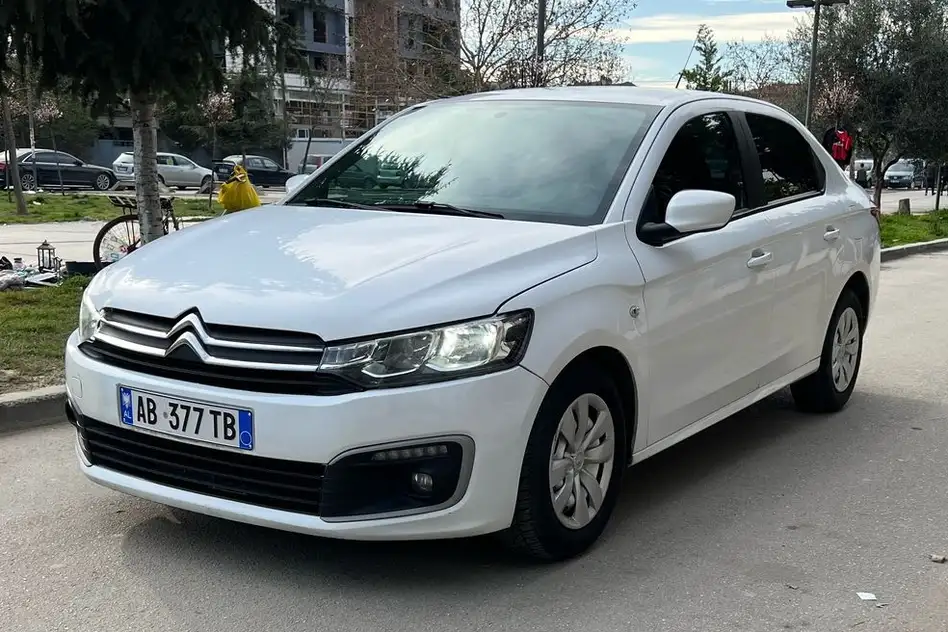
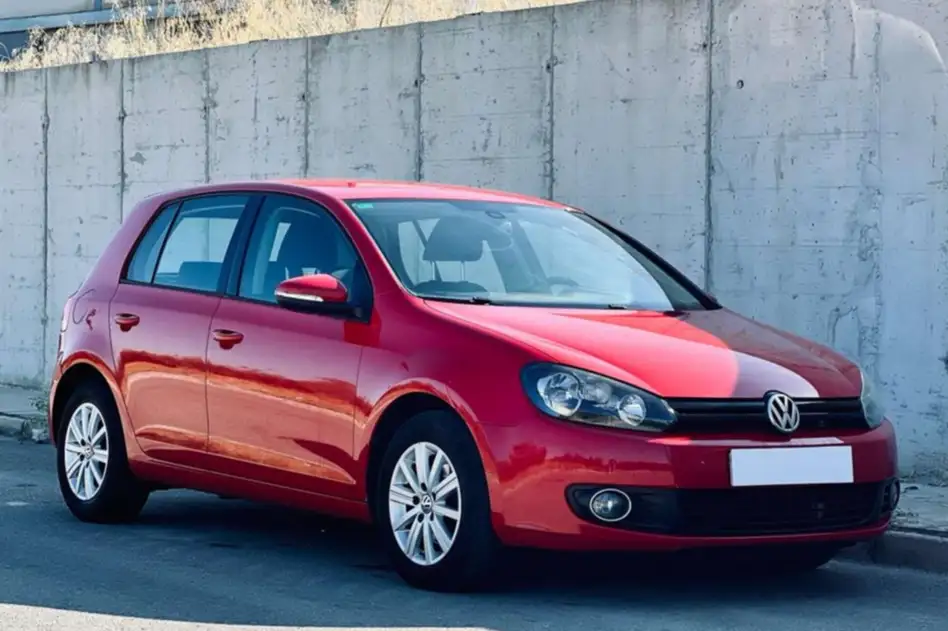
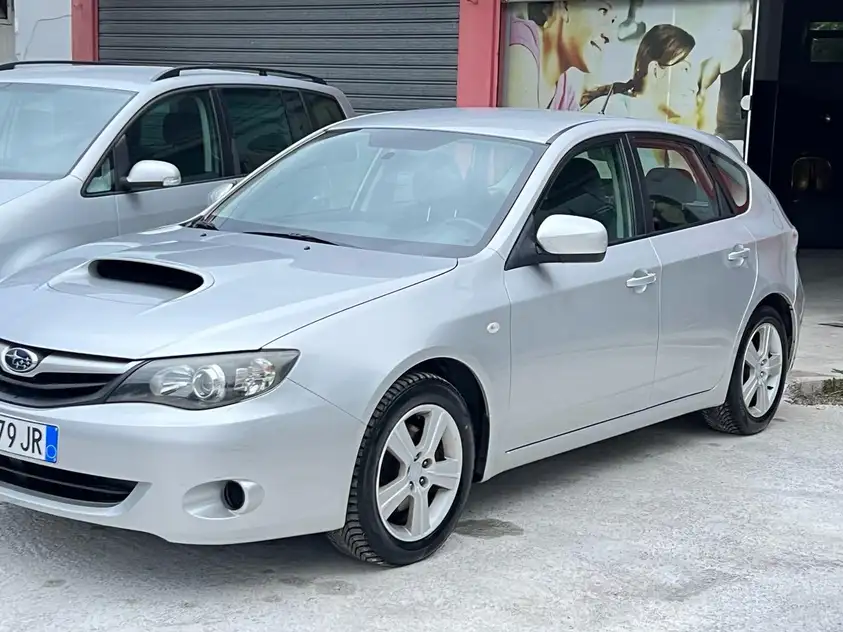
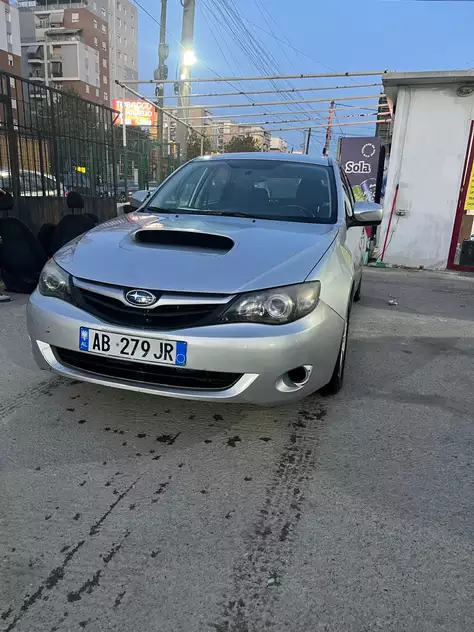
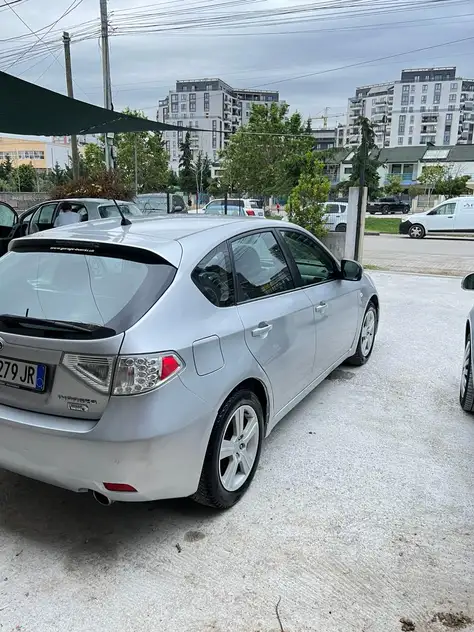
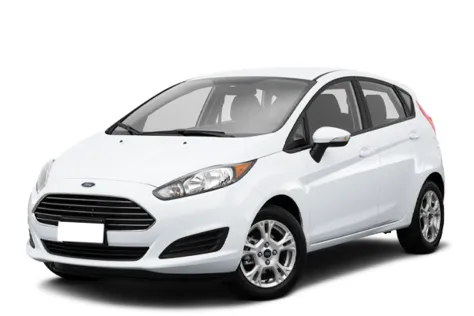
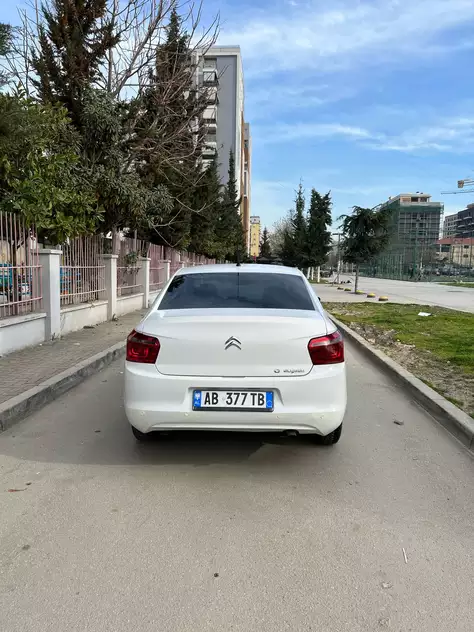
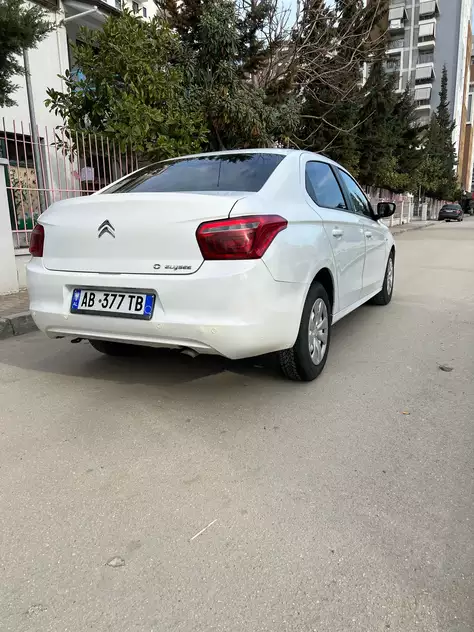
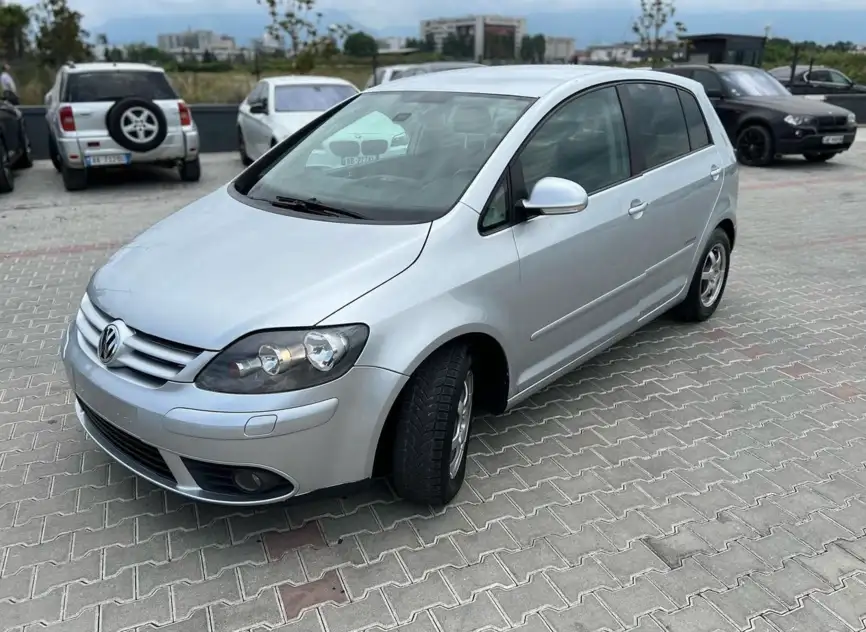
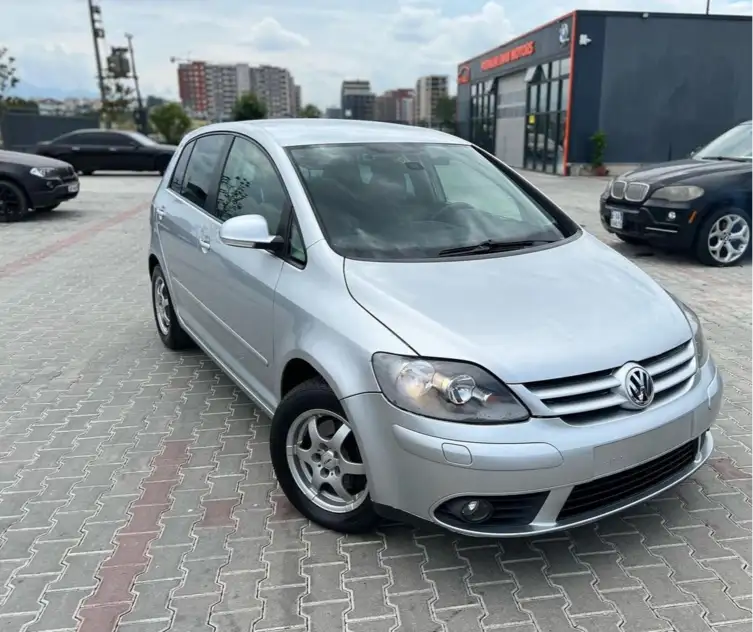
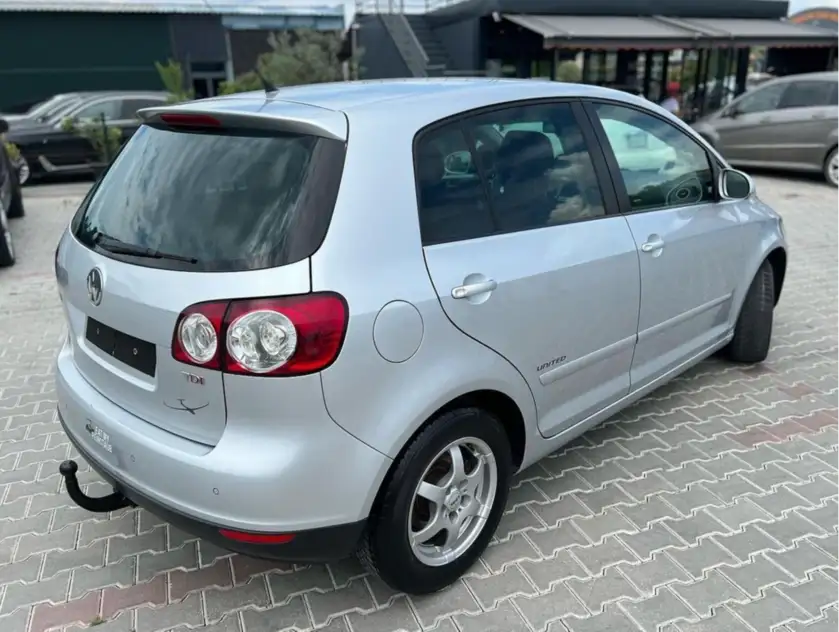
Economy Hatchback — From €26/day
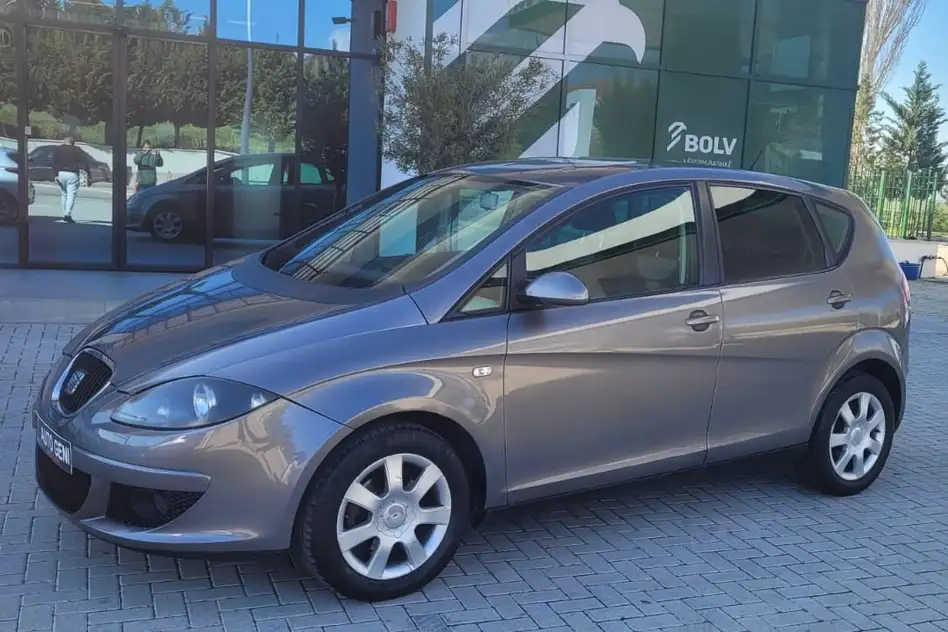
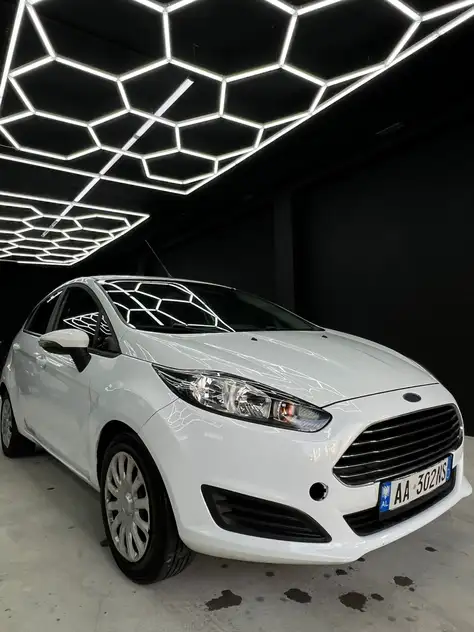
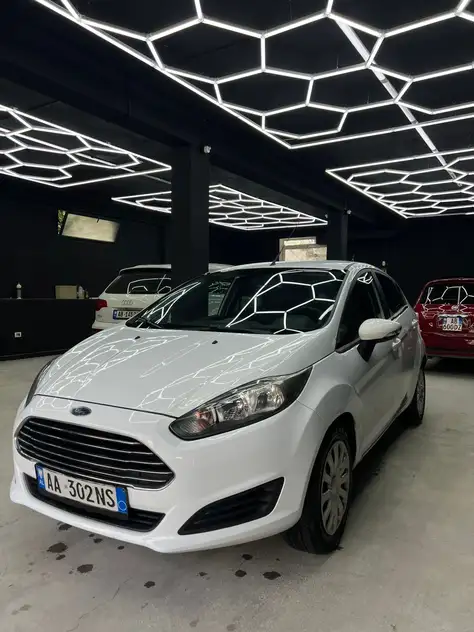
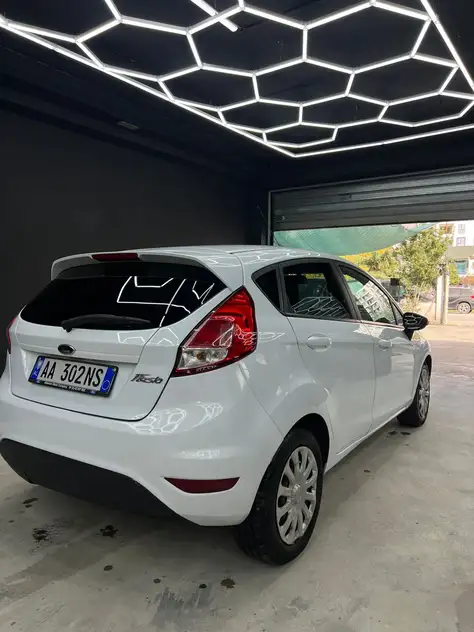
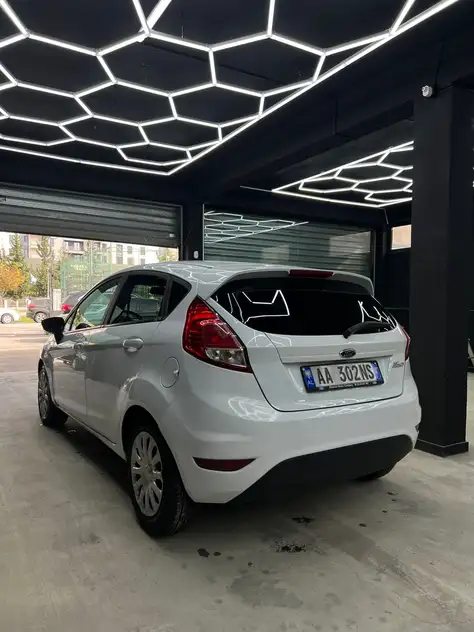
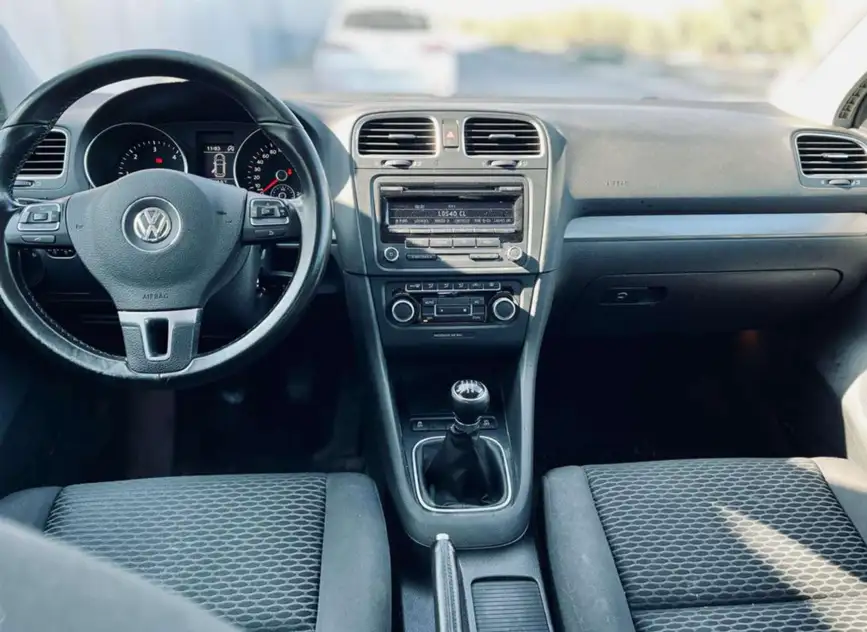
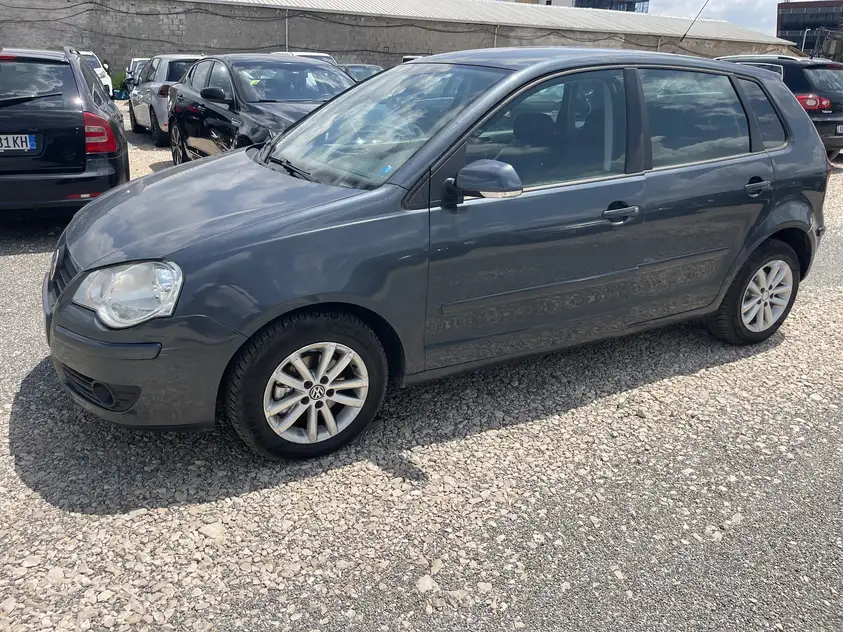
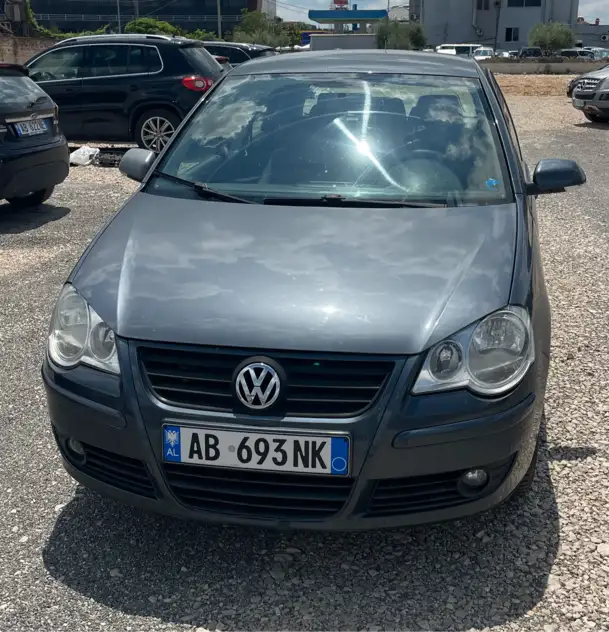
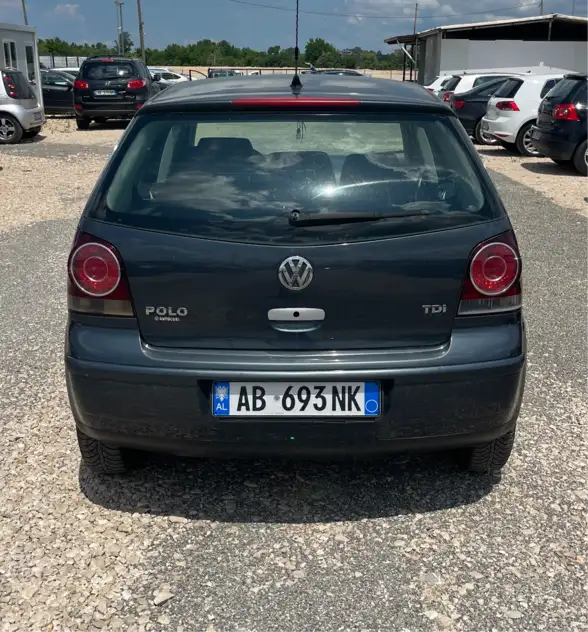
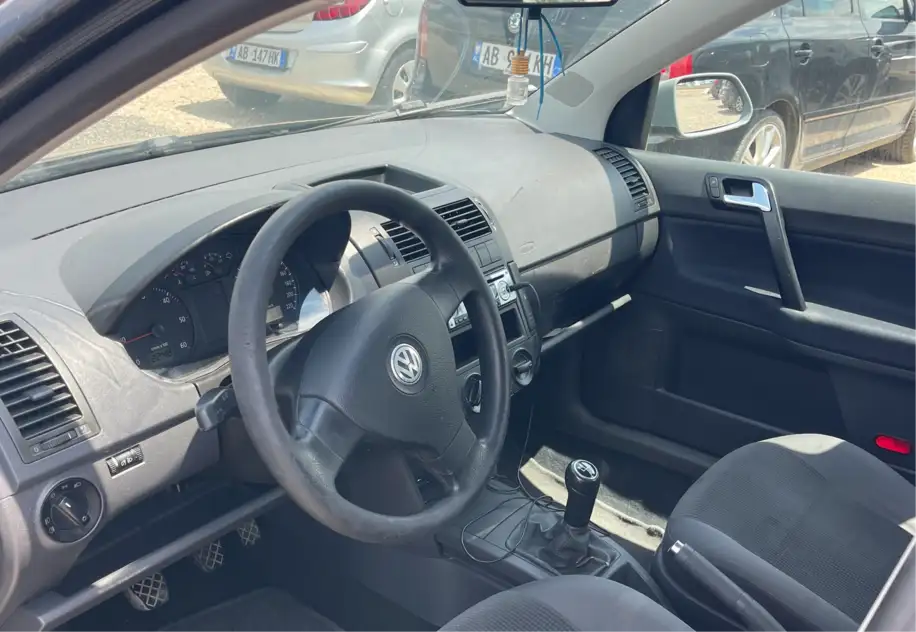
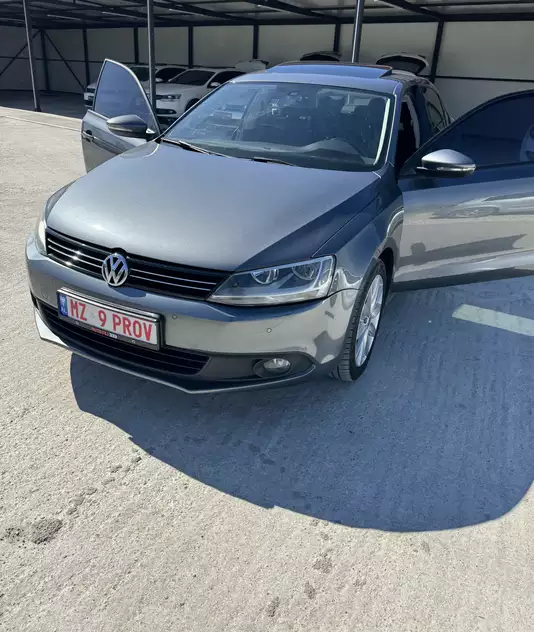
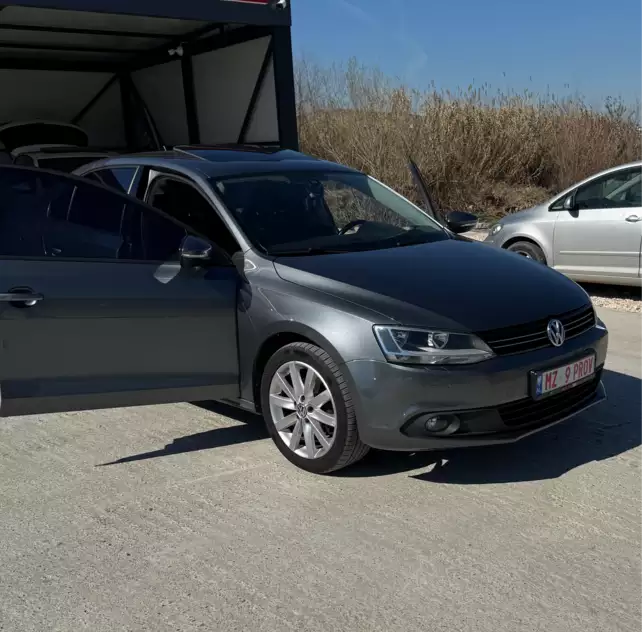
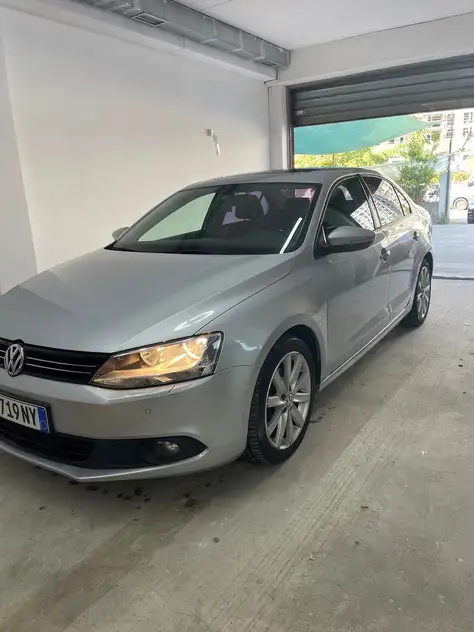
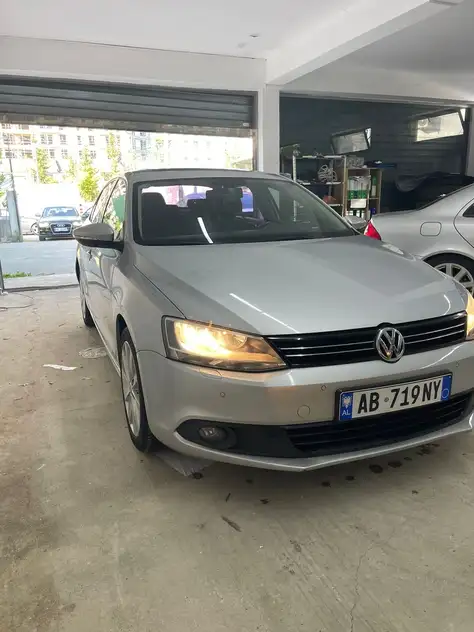
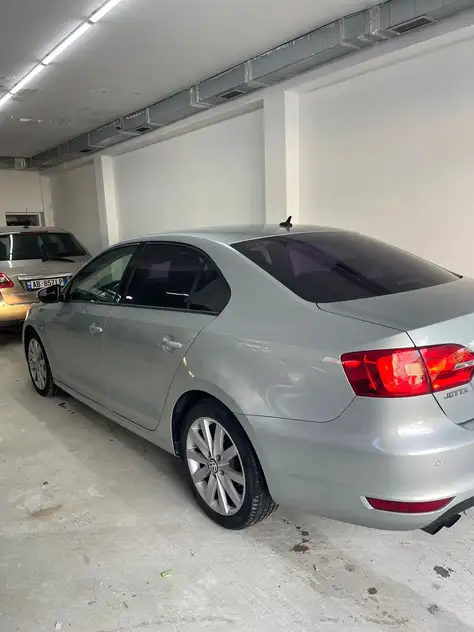
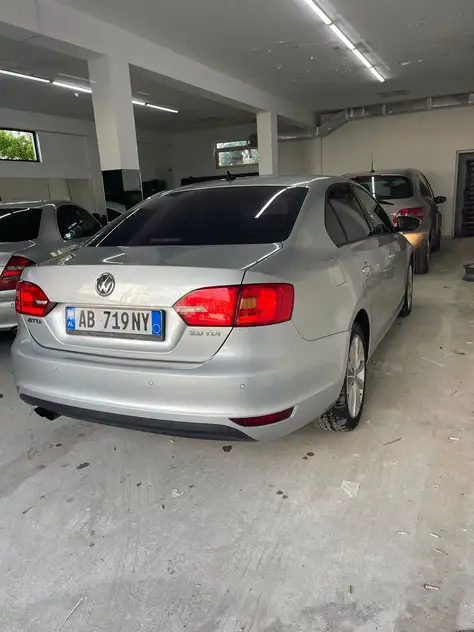
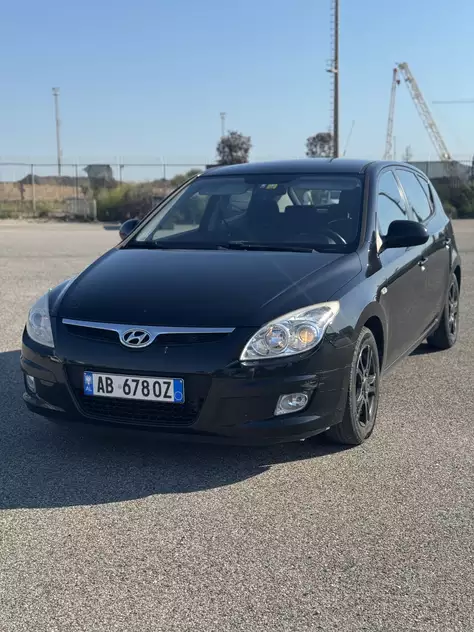
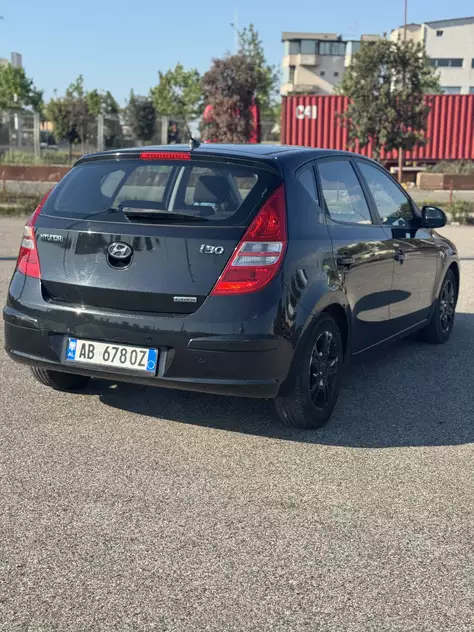
The right vehicle for Tirana–Krujë–Shkodër and all paved routes in northern Albania. Easy to park on Krujë’s hillside approach road. Fuel-efficient on the SH1 motorway sections. Typical models: Seat Ibiza, VW Polo, Toyota Yaris. Covers 95% of Krujë visitor itineraries.
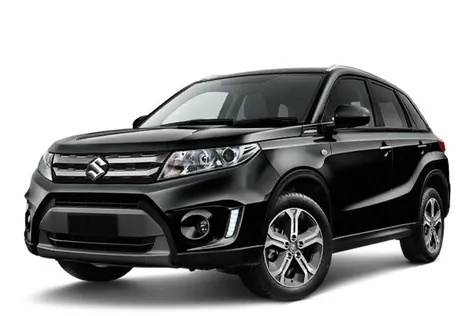
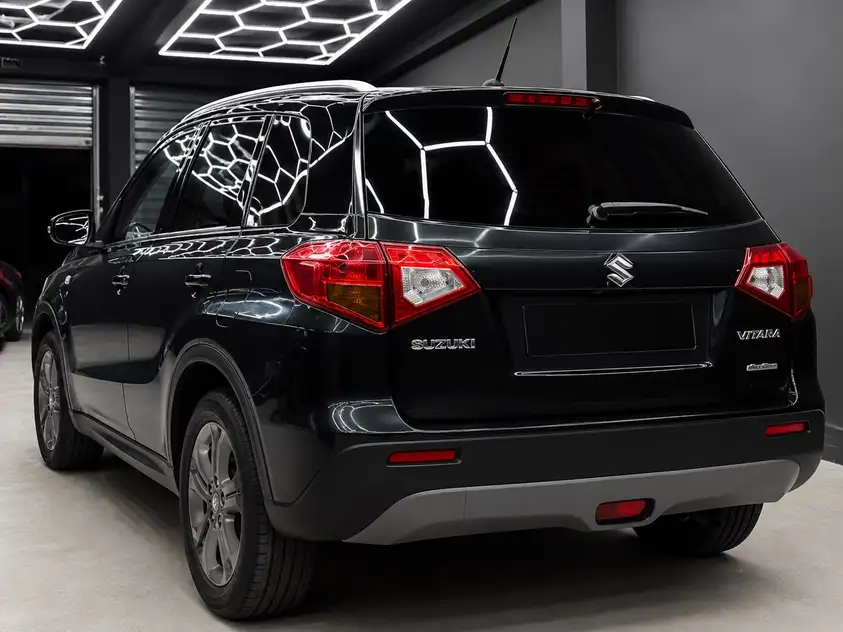
Compact SUV — From ~€42/day
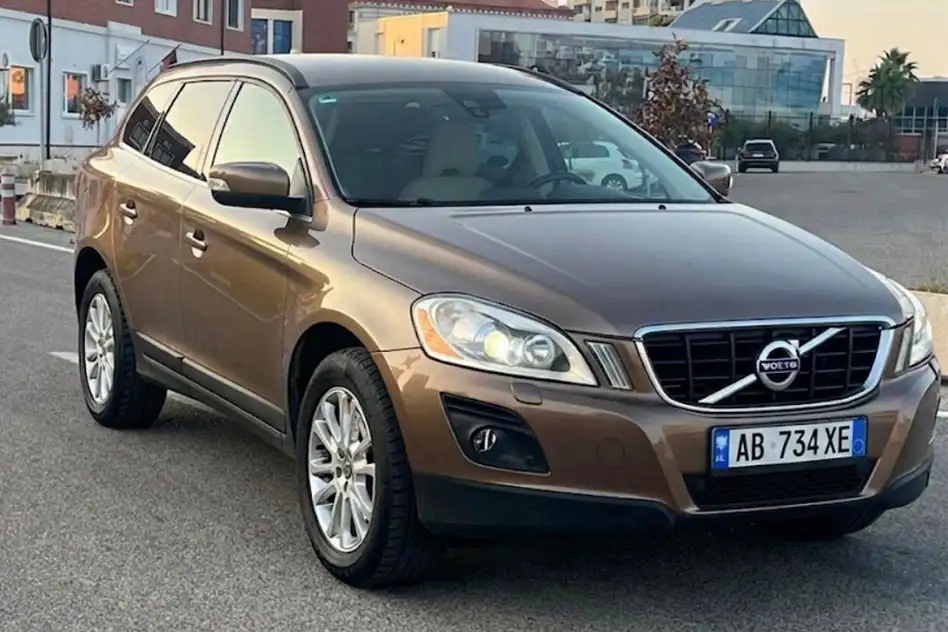
Recommended if your route extends north of Shkodër toward the Valbona Valley, Theth, or any mountain village tracks in the Albanian Alps. Higher clearance and four-wheel traction options give confidence on the unpaved mountain roads north of Bajram Curri. Typical models: Renault Captur, Seat Arona, Hyundai Tucson.
Automatic Transmission
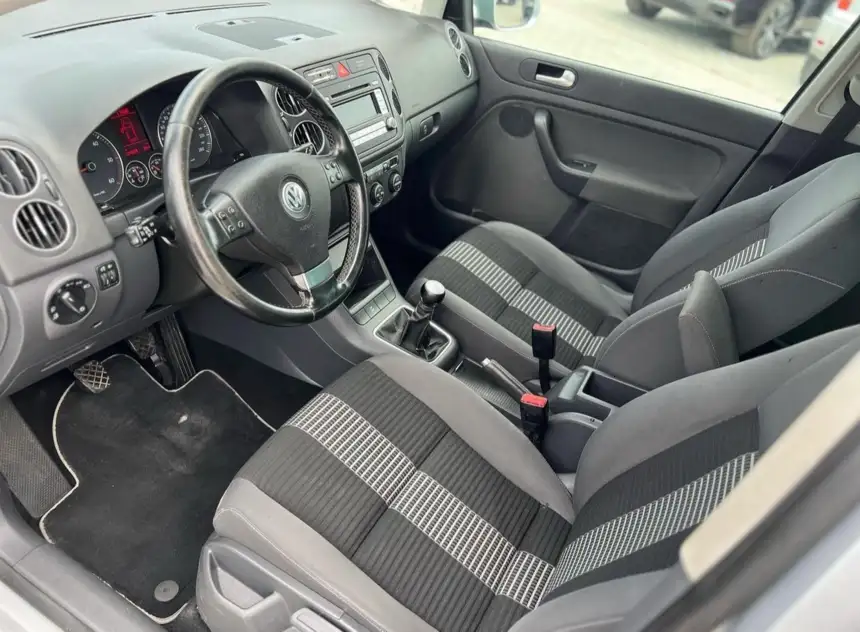
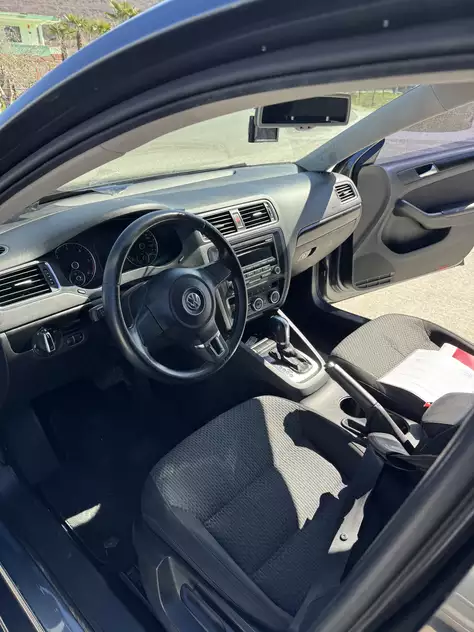
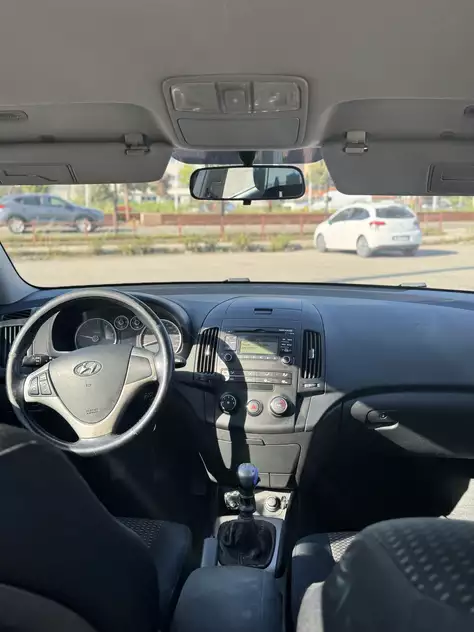
Available on selected models. The road up to Krujë from Fushë-Krujë involves bends and gradient changes — drivers less comfortable with manual gearboxes on hillside roads will find an automatic noticeably easier. Small daily premium applies. Confirm availability at booking, as automatics are the first category to sell out at this location.
Category
Example Models
Low Season
High Season
Recommended For
Economy / Mini
VW Polo, Toyota Aygo, Opel Corsa
From €26/day
From €34/day
Tirana day trip, SH1 route
Compact Hatchback
Seat Ibiza, Renault Clio, Toyota Yaris
From €29/day
From €37/day
2–3 people, Shkodër stopover
Mid-Size
Toyota Corolla, Seat Leon, Kia Ceed
From €35/day
From €46/day
4 people, luggage-heavy trips
Compact SUV
Renault Captur, Seat Arona, Hyundai Tucson
From €42/day
From €55/day
Northern Albania mountain routes
Automatic (any class)
Toyota Corolla Auto, VW Golf Auto
From €38/day
From €49/day
Hillside comfort driving
*Rates are indicative and vary by availability. Book 2 weeks ahead in July–August and around Albanian national holidays (28 November Flag Day, 9 October Krujë Liberation Day). All prices include basic CDW; full zero-excess insurance is recommended.
Driving to and around Krujë — Practical Notes
The SH1 motorway and the Fushë-Krujë exit
The SH1 (also called A1 on some maps) is Albania’s main north-south motorway and runs from Tirana to Shkodër via Fushë-Krujë. It’s a good dual carriageway for most of its length, maintained to a standard well above Albania’s secondary road network. The Fushë-Krujë exit is clearly signed. After the exit, the SH36 climbs 8km to Krujë — bends and gradient, paved throughout, standard car handles it without difficulty.
The hillside approach to Krujë town
Once you leave the main approach road and head toward the bazaar and castle, the streets narrow. The bazaar lane is pedestrian-only cobblestone. The upper approach to the castle car park is tarmac but tight in places. Drive slowly, watch for pedestrians stepping off the bazaar lane onto the road, and accept that this is not a road you take at speed. The hillside streets are manageable in any car if you’re not in a hurry.
Speed limits and enforcement
Urban areas in and around Krujë: 40km/h. SH1 motorway between Tirana and Fushë-Krujë: 110km/h. Fixed speed cameras are active on the SH1 approach from Tirana — check posted signs. Traffic police are present on the SH1 and at the Fushë-Krujë exit, particularly during peak tourist periods. Carry your driving licence, vehicle registration, insurance certificate, and passport at all times.
Fuel
Several petrol stations operate in Fushë-Krujë on the main road before the SH36 turn-off to Krujë town. Fill up in Fushë-Krujë or Tirana rather than in Krujë itself — the town has limited fuel options. Confirm petrol (benzinë) or diesel (naftë) when collecting your vehicle. Albanian fuel prices run slightly below EU averages — approximately €1.45–€1.65/litre for unleaded.
Navigation
Google Maps routes Tirana–Krujë accurately and the SH1/SH36 combination is well-mapped. Download offline maps for the Krujë area before departure if your data roaming is limited. The town is small enough that once you’ve parked at the lower car park, navigation is unnecessary — the bazaar lane uphill is visible from the car park. For the Sari Saltik shrine, the path is marked from the castle approach road.
Documents required
Valid driving licence (minimum 12 months held), vehicle registration document from the hire company, insurance certificate, and photo ID. UK, EU, US, Canadian, Australian, and New Zealand licences accepted directly. Non-Latin script licences require a valid International Driving Permit obtained before travel. Keep all documents in the vehicle throughout your rental period.
Understanding Krujë Before You Arrive
Krujë’s significance in Albanian history is specific and well-documented. Gjergj Kastrioti — known internationally as Skanderbeg — was an Albanian nobleman who had served as an Ottoman military commander before switching allegiance in 1443 and returning to Albania. He used Krujë as his base for a 25-year resistance campaign against Ottoman expansion into the western Balkans. The Ottomans besieged Krujë three times: in 1450, 1466, and 1467. Skanderbeg’s forces repelled the first two sieges; the third came after his death in 1468, and Krujë eventually fell to Ottoman control in 1478.
For Albanians, Skanderbeg is not a distant historical figure — his image is on the currency, his statue is in the main square of Tirana, and the castle at Krujë is the country’s most visited historical site. Visiting Krujë with this background makes the museum substantially more interesting than visiting it cold. The museum’s collection includes Ottoman campaign documents, original weaponry, maps of the siege positions, and correspondence between Skanderbeg and the Venetian and Papal states who funded his campaigns.
The castle museum entry (500 lek, approximately €4.50) is among the most reasonably priced admission fees for the level of content provided. The ethnographic museum (400 lek, approximately €3.50) documents the Ottoman-period civilian life that continued in Krujë’s bazaar district while the fortress above was being contested. Both together cost approximately €8 per person — and that combination is the reason the self-drive trip costs a fraction of the guided tour for anyone who actually reads what they’re looking at.
Frequently Asked Questions — Car Hire in Krujë, Albania
Krujë is 35km from central Tirana. The drive takes approximately 45 minutes via the SH1 motorway north to the Fushë-Krujë exit, then 8km uphill on the SH36 to Krujë town. From Tirana Airport (Nënë Tereza), the distance is slightly shorter at 32km — about 40 minutes via the airport bypass and the Fushë-Krujë exit, avoiding central Tirana traffic. The road is paved throughout and accessible in any standard hire car.
Yes, considerably. Guided day trips from Tirana cost €38–€75 per person on GetYourGuide, Viator, and Expedia. For two people, that’s €76–€150 for a 3–4 hour visit on a fixed schedule. In a rental car, the fuel cost for the round trip from Tirana is approximately €8–€12. Castle entry is 500 Albanian lek (~€4.50) and the ethnographic museum is 400 lek (~€3.50) — roughly €8 per person in entry fees. Total for two people: €25–€30, compared to €76–€150 on a guided tour. The car also lets you arrive before the tour buses and stay as long as you want.
Arrive before 10am. Tour buses from Tirana begin arriving at 10am and the peak crowd period runs from 10am to 4pm. Arriving at 8:30–9am gives you the bazaar lane, castle courtyard, and ethnographic museum with almost no other visitors present. The castle opens at 9am daily. The bazaar shopkeepers appreciate early visitors and have time for conversation before the afternoon rush. This early arrival is only possible with a private vehicle — tour groups set their own departure times.
The main car park is at the foot of the bazaar hill on the approach road from Fushë-Krujë — informal, generally free, accessible 24 hours. It holds 30–40 vehicles and fills from 10am on busy days. A second informal parking area near the upper castle approach road has space for 15–20 cars. The bazaar lane itself is pedestrian-only and should never be driven. Arrive before 9:30am for guaranteed space at the main car park. After 4:30pm, parking becomes easy again as tour buses depart.
Yes. The Sari Saltik Bektashi shrine is above the castle and reached by a 15-minute walk on a well-marked path from the castle car park area. You don’t drive to the shrine — you park at the castle parking area and walk the path up. The shrine is free to visit and is rarely included in organised tour itineraries, which means it’s typically quiet even when the castle below is busy. It is one of the most atmospheric sites at Krujë and worth the extra 30 minutes.
A valid driving licence held for at least 12 months, your passport or EU national ID card, the credit or debit card in the main driver’s name, and your booking voucher. UK, EU, US, Canadian, Australian, and New Zealand licences are accepted directly by Albanian rental suppliers. If your licence uses a non-Latin script (Arabic, Chinese, Japanese, Korean, etc.), you need a valid International Driving Permit obtained before travel — it cannot be arranged on arrival. Keep all documents in the vehicle during your rental period.
Yes — it’s the obvious first stop on the Tirana–Shkodër northern corridor. The SH1 motorway passes through Fushë-Krujë, so adding Krujë to a Shkodër-bound drive is only 8km off the main route each way. Spend a morning at the castle and bazaar, then continue north. Shkodër is 65km from Krujë, approximately 55 minutes on the SH1. The combination — Krujë castle in the morning, Shkodër’s Rozafa Castle and old town in the afternoon — is a strong single day’s itinerary.
Economy hatchbacks start from €26/day in low season through Rentrals at the Krujë location. To consistently reach the lower end of the price range: book 2 weeks ahead, travel outside July–August and Albanian national holiday periods (28 November Flag Day is particularly busy), and choose economy or compact category. Weekly rates offer a better per-day cost for stays of 5 days or longer. Full zero-excess insurance is recommended — typically €4–8/day additional and worth it for any Albanian road driving.
Yes — this is one of the most practical first-day itineraries for visitors flying into Albania. Collect from Tirana Airport and drive 32km to Krujë (approximately 40 minutes via the airport bypass and Fushë-Krujë exit). Spend the morning at the castle and bazaar, then continue north to Shkodër (65km, 55 minutes) for the first overnight. This route avoids central Tirana traffic entirely and covers two of Albania’s most significant historical sites in a single day.
No. The roads to Krujë — SH1 motorway and SH36 hillside road — are paved and in good condition. A standard economy hatchback handles the route without difficulty. A 4×4 or SUV is only relevant if you’re continuing north of Shkodër into the Albanian Alps, where mountain roads north of Bajram Curri can have unpaved sections. For Krujë itself and the standard Tirana–Krujë–Shkodër route, any rental car in the fleet works fine.
21 years old with most suppliers at the Krujë location. Drivers aged 21–24 are classified as young drivers and typically pay a daily surcharge of €6–€12 on top of the standard rate. Drivers aged 25 and over pay the standard rate with no age supplement. Confirm the specific young driver terms for your chosen vehicle at booking, as they vary between operators. Maximum age restrictions are rarely an issue for most travellers.
Yes — one-way rentals from Krujë to Shkodër (65km north), Tirana (35km south), or cities in southern Albania are available through Rentrals. A one-way drop fee applies and varies by destination — confirm the amount at booking. The Krujë-to-Tirana one-way is straightforward and commonly requested. For longer one-way trips (Krujë to Sarandë or Gjirokastër), the drop fee is higher but the convenience for a full Albania road trip justifies it.
Book Your Car Hire in Krujë
37+ vehicles from €26/day. No deposit options, full insurance, unlimited mileage, and city delivery to your accommodation in Krujë or Tirana.
.webp?1745437555)
.webp?1782649535)
.webp?1782649531)
.webp?1782649534)
.webp?1741634418)
.webp?1741634420)




.webp?1749814586)

 The single most useful tip for rental car visitors to Krujë: Arrive before 10am. Tour buses from Tirana begin arriving at 10am and the bazaar lane, castle entrance queue, and main car park all fill quickly between 10am and 4pm. Arriving at 8:30–9am gives you the same sites with a fraction of the visitors. This is only possible with a private vehicle.


 Key distances: Central Tirana → Krujë: 35km, ~45 minutes via SH1 and SH36. Tirana Airport → Krujë: 32km, ~40 minutes via the airport bypass and Fushë-Krujë exit. Krujë →


 Compact SUV — From ~€42/day
 Automatic Transmission
 The SH1 motorway and the Fushë-Krujë exit
 The hillside approach to Krujë town
 Speed limits and enforcement
 Fuel
Fuel Navigation
 Documents required