Why rent a car in Saranda
Saranda is the southern gateway to the Albanian Riviera — the coastline stretching from Saranda north to Vlorë along the Ionian Sea. It’s one of Europe’s most dramatic coastal drives: steep cliffs, turquoise water, hidden coves, and mountain hairpins that open onto views most tourists never see. A bus gets you into Saranda. It can’t give you the Riviera.
Public transport in the region is limited and unreliable. Shared furgons (minibuses) link major towns but on schedules that rarely match a traveller’s day. Miss the last return and you’re stuck. With a rental car in Saranda, you control the day — leave early, stay late, stop wherever you like.
The city itself is compact and walkable. Within 30 km lie two UNESCO World Heritage sites, a spring so blue it seems impossible, and beaches that no tourist bus route reaches. Here’s what having a car actually makes possible:

Ksamil — Three Islands
18 km south. Three tiny islands in turquoise water with sand you can wade to. Most tourists can’t get here without a car — and arriving early means getting the beach before the crowds do.

Butrint National Park
18 km south — a UNESCO World Heritage site with Greek, Roman, Byzantine, and Venetian ruins on a lake peninsula. No reliable public bus. A 30-minute drive through green hills.

Blue Eye Spring
Syri i Kaltër — 25 km inland. A natural freshwater spring of extraordinary colour and depth. Virtually inaccessible without a car. The road is paved but narrow.

Himarë, Dhermi, Borsh
The best beaches on the Albanian Riviera sit along the SH8 coastal highway. Several access roads are rough. Car hire gets you there and back on your own timetable.

Gjirokastër
60 km north. A UNESCO-listed Ottoman city on a steep hillside, with a 12th-century castle and covered bazaar. Worth a full day — the early start matters.

The Full Riviera Drive
The SH8 from Saranda to Vlorë is 130 km of cliffs, coves, and switchbacks. Stopping at unmarked beaches and tiny fishing villages along the way isn’t possible by public transport.
Saranda is also one of the most popular day-trip destinations from Corfu. The ferry takes 35–45 minutes, and many visitors rent a car the moment they arrive at the port. This makes the Corfu–Saranda route one of the most practical entry points for exploring southern Albania independently — fly into Corfu, cross by ferry, rent a car in Saranda, and explore from there.
Arriving from Corfu? Pick up your car at Saranda Port
The Corfu–Saranda ferry is one of the most convenient border crossings in the Balkans. Multiple ferries operate daily in season, the crossing takes 35–45 minutes, and the port drops you directly into the Saranda city centre. Car rental desks and delivery services operate at or near the ferry terminal — so you can be on the road within 15–20 minutes of stepping off the boat.
 The Corfu → Saranda Travel Loop
Fly into CorfuDirect flights from major European cities. No connection needed for most Western European travellers.
Ferry to Saranda35–45 min crossing. Multiple daily sailings June–September. Year-round service available.
Pick up rental carAt or near Saranda Port. Several agencies deliver the car directly to the dock.
Explore AlbaniaRiviera, Butrint, Blue Eye, Gjirokastër — all within 90 minutes of Saranda.
Return via CorfuDrop the car, catch the ferry back. A clean loop with no backtracking.
car rental saranda port
rent a car saranda ferry terminal
car hire saranda corfu ferry
This route works well for travellers who want a 2–4 day Albania loop without flying into Tirana. You land in Corfu, cross to Saranda, rent a car, drive north along the Riviera at your own pace, and return. No domestic flights, no long overland transfers, no luggage storage to worry about.
If you’re arriving on a late evening ferry — common in summer — confirm with the rental agency that after-hours key handover is possible. Several local operators accommodate this with prior arrangement, sometimes with a small late-hour fee.
Book ahead at the port: Car rental at Saranda Port is informal — sometimes a representative waiting by the dock, sometimes a phone number posted nearby. Don’t rely on finding a car on arrival in July or August. Book online at least 1–2 weeks in advance and confirm the exact meetup point.
Where to pick up your rental car in Saranda
Saranda has no airport, so there’s no airport car rental desk. Pickup happens in three ways: at the port, from city-centre offices, or via hotel delivery.
Saranda Port (ferry terminal)
The most practical option for visitors arriving from Corfu. Several car hire companies have representatives at or near the ferry terminal — you step off the boat, collect your car, and you’re mobile. The promenade nearby has additional offices within a short walk. This is the fastest option for anyone entering Albania via the Corfu ferry route.
City centre offices
Most Saranda car rental agencies run small offices in or around the city centre. Many are family-run operations that are more flexible than international chains — they often negotiate on price for rentals of 5 days or more, allow hotel delivery at no extra cost, and can be reached by phone outside standard hours. Confirm your pickup time in advance, especially for early mornings or evenings.
Hotel delivery
Several local agencies offer free vehicle delivery within Saranda. If you’re spending a night in the city before heading out to explore, this is the easiest option — the car arrives at your hotel, you do a walk-around inspection, sign the paperwork, and you’re ready. Make sure you have adequate daylight for the pre-rental inspection; don’t accept the car in a dark car park at night without photographing it thoroughly first.
Late arrivals: If you’re on an evening ferry in peak season, call the rental agency before you board in Corfu. Some agencies accommodate after-hours key handover with a pre-arranged deposit; others require a morning pickup. Getting this confirmed in writing saves significant hassle on arrival.
Rental prices in Saranda — what to expect
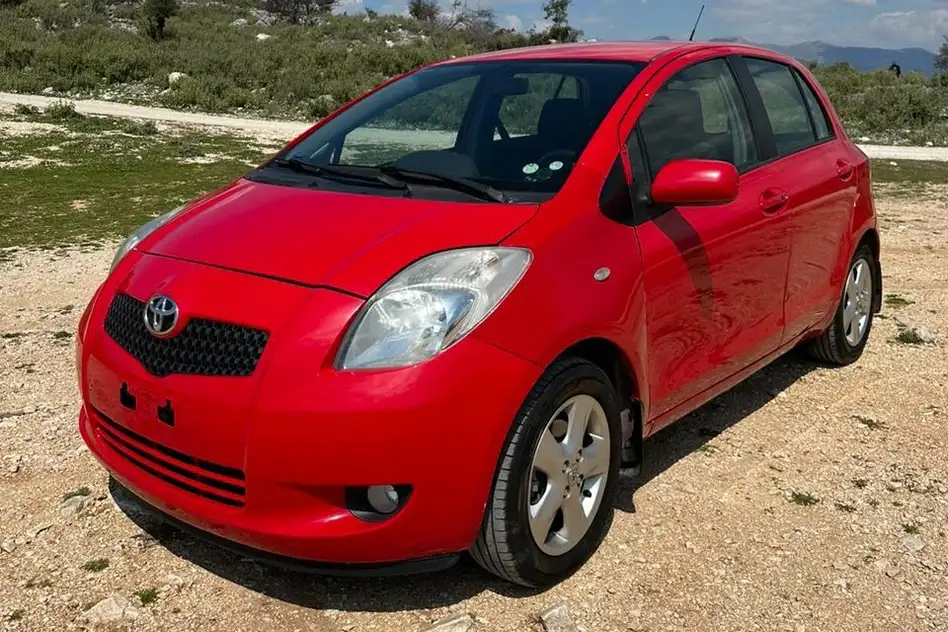
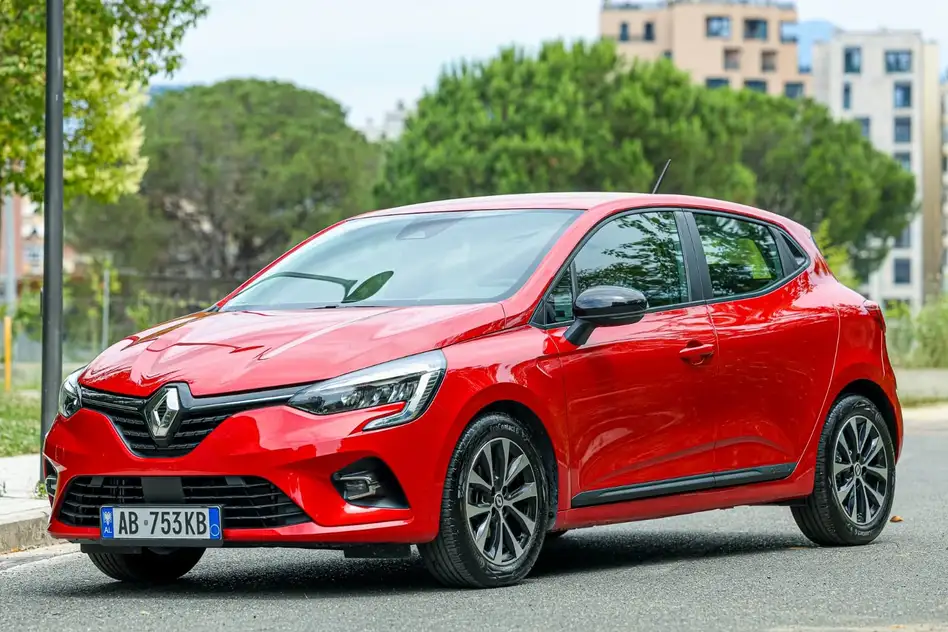
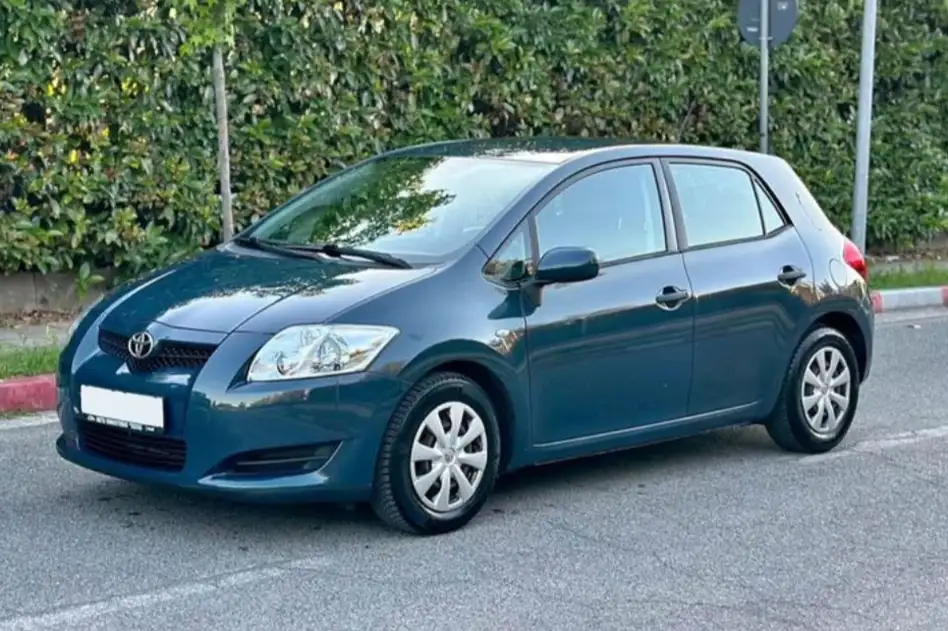
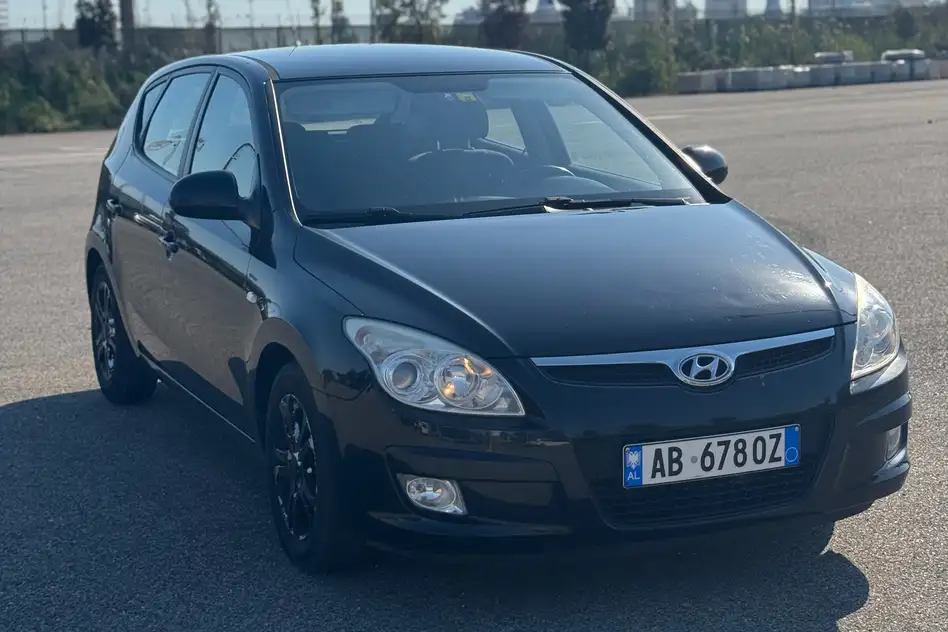
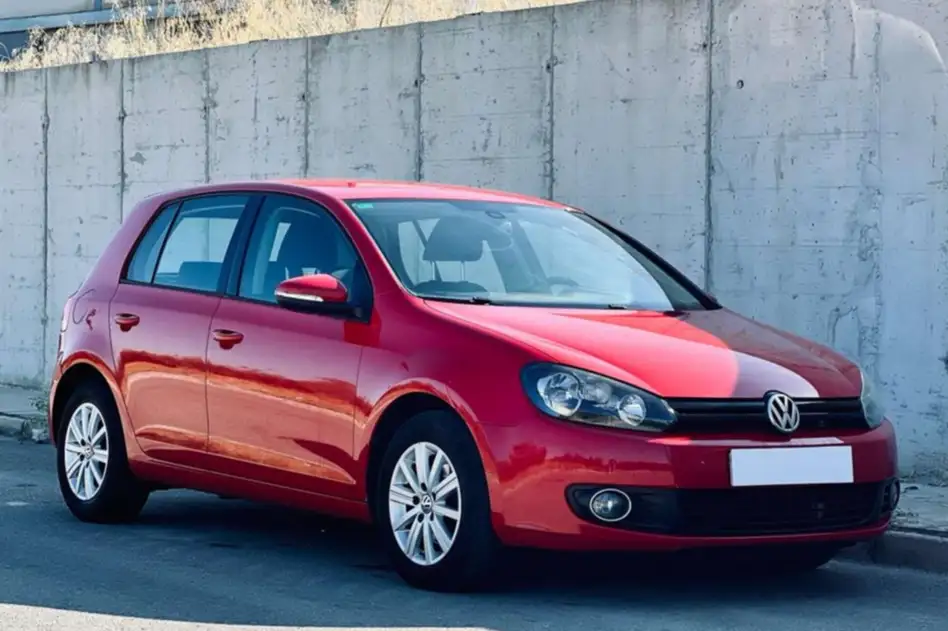
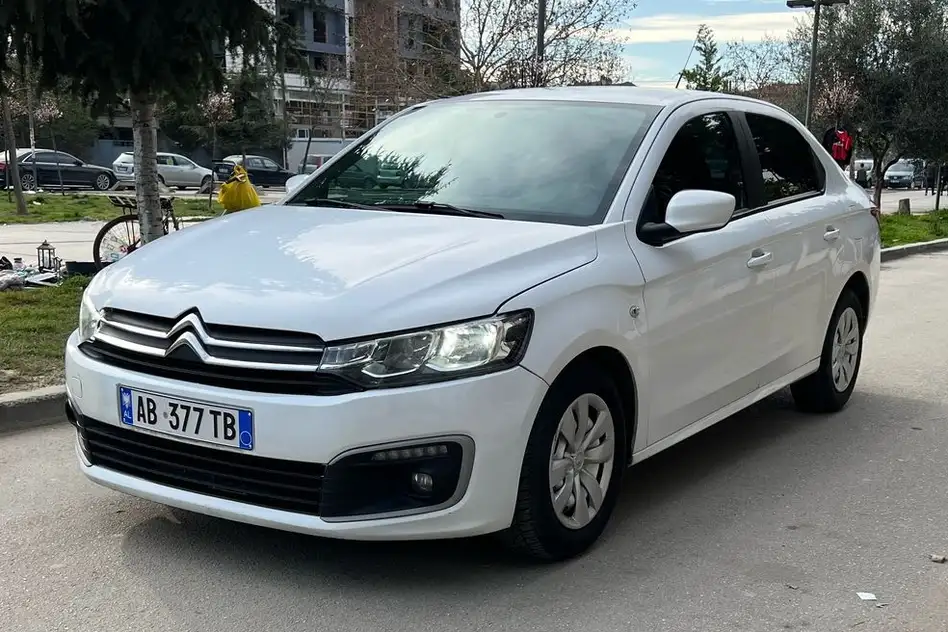
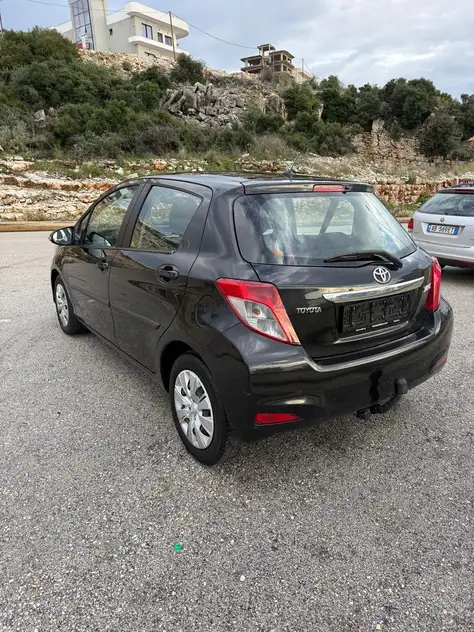
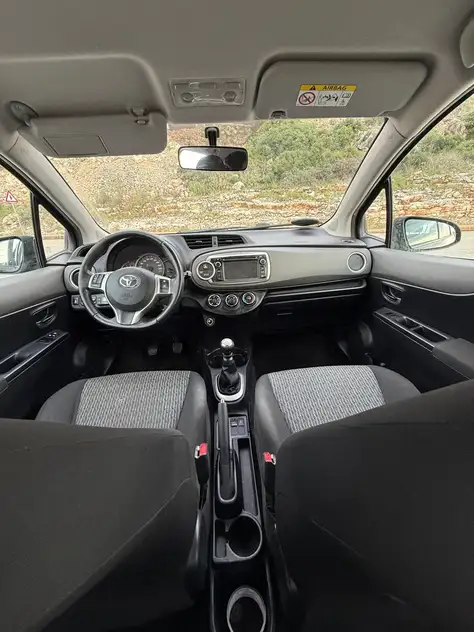
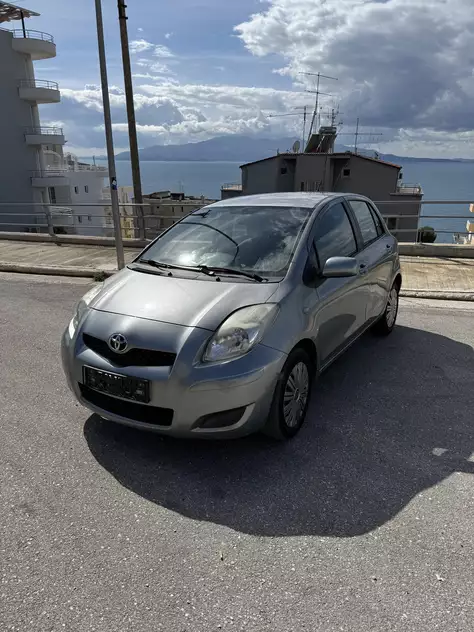
Car hire in Saranda costs significantly less than in Western Europe. Economy cars start from €24/day in low season. In peak July–August, the same vehicle runs €45–65/day. SUVs, automatics, and minivans cost more. Prices vary between suppliers, so comparing a few options before confirming is worthwhile.
 Seasonal pricing is significant here. Peak season rates (June–August) in Saranda run 40–60% higher than shoulder months. December prices are typically 87% higher than March — the cheapest month of the year. If you’re visiting in summer, book at least 2–3 weeks ahead. May, early June, September, and October offer the best balance of warm weather and reasonable rates.
Low Season
€24–32
Nov – Apr
Mid Season
€32–46
May–Jun · Sep–Oct
Peak Season
€46–70
Jul – Aug
Price breakdown by car type
| Category |
Example Models |
Low Season |
Peak Season |
| Economy |
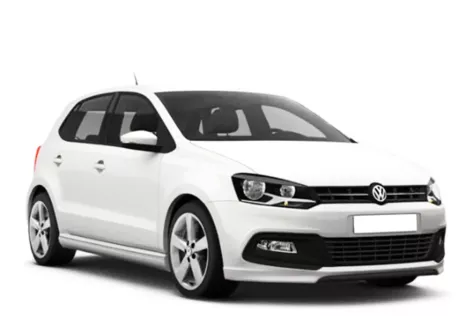
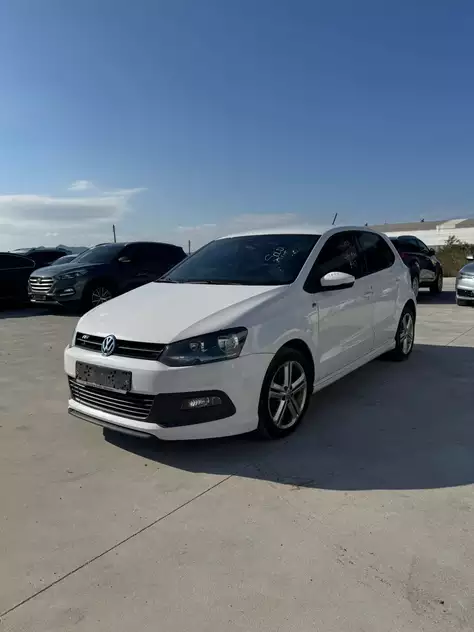
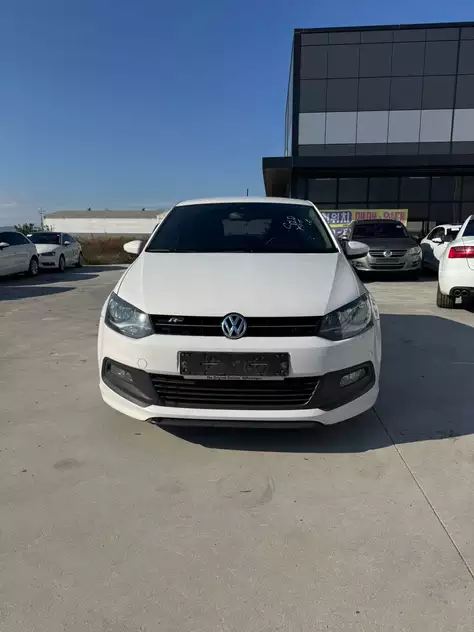
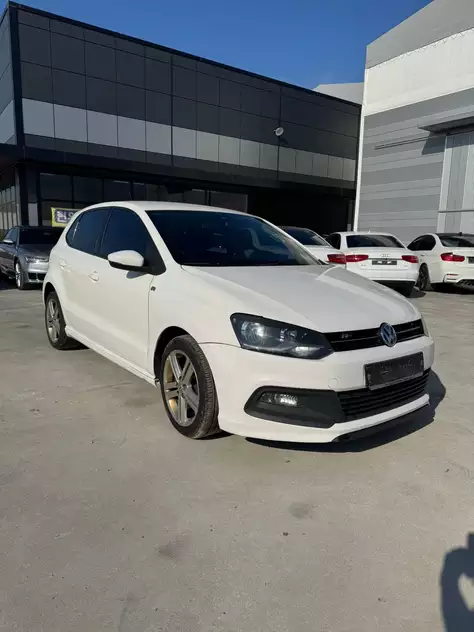
Fiat 500, VW Polo, Opel Corsa |
€24–32/day |
€46–58/day |
| Compact |
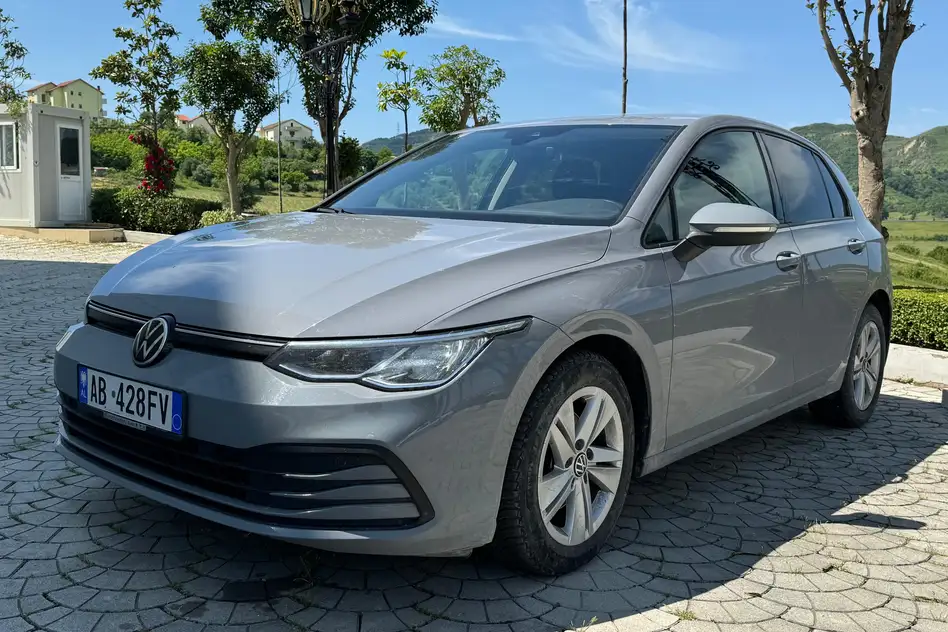
Ford Focus, Opel Astra, Skoda Octavia |
€30–40/day |
€52–66/day |
| SUV / 4×4 |
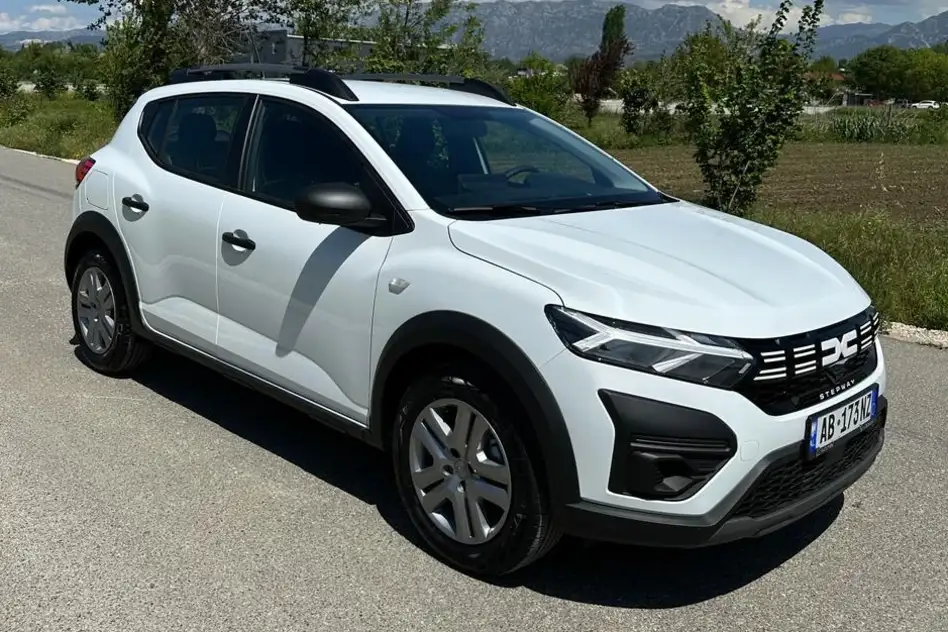
Dacia Duster, Hyundai Tucson, Kia Sportage |
€38–52/day |
€64–82/day |
| Minivan / MPV |
Ford Galaxy, VW Caddy, Opel Zafira |
€46–60/day |
€74–96/day |
| Automatic (any size) |
Add €5–12/day vs manual equivalent |
Limited stock |
Book 3–4 weeks ahead |
What the price includes — and what it doesn’t
Most Saranda car rental rates include third-party liability insurance, unlimited mileage (confirm this), and a 24-hour breakdown number. They typically don’t include full collision damage waiver (CDW), theft protection, or cross-border travel permission without an additional charge.
Ask specifically about: the fuel policy (full-to-full is standard and the safest option), additional driver fees, child seat availability and cost, and whether a credit card pre-authorisation deposit applies. The deposit hold is usually €200–500 and is released on return of the vehicle.
Which car type to choose
The right vehicle depends on your itinerary. Most roads near Saranda are paved. Secondary routes to beaches and inland villages range from smooth tarmac to rough gravel tracks.
-
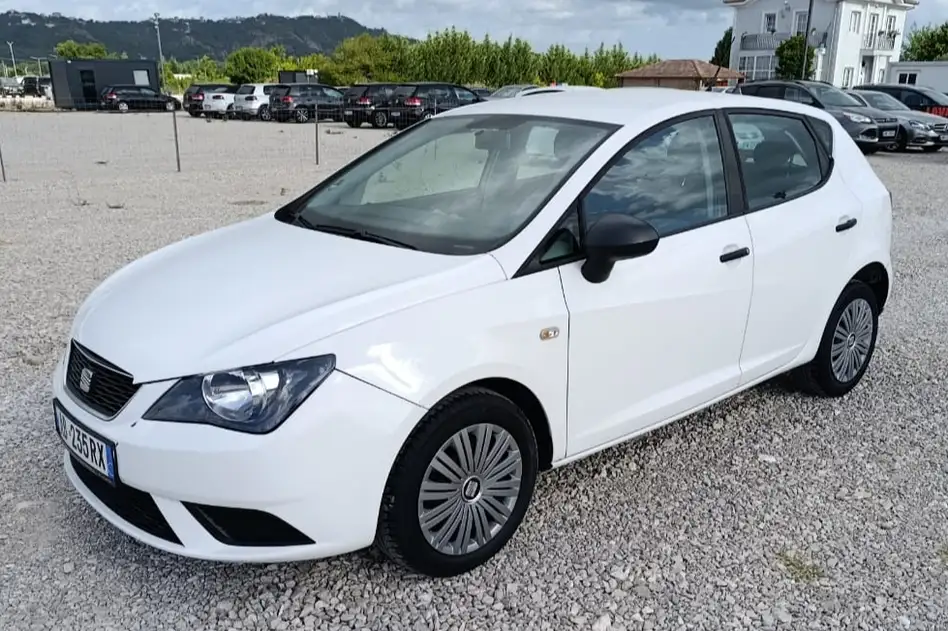
Economy or compact — The right choice for most visitors. Handles Saranda city, Ksamil, Butrint, and the main SH8 coastal road without any issues. Easy to park in crowded town centres, lower fuel cost on longer drives toward Vlorë or Tirana.
-
SUV or 4×4 — Recommended if you plan to reach remote beaches via unpaved tracks, drive into mountain villages above the Riviera, or take the inland route to Blue Eye in wet conditions. The Dacia Duster is the most common and cost-effective option available locally. Ground clearance matters on older gravel roads.
-
Minivan or MPV — Best for families of 5–7 or groups with significant luggage. Boot space matters when you’re moving between hotels along the coast. Minivans cost more and are harder to manoeuvre in Saranda’s narrow streets — consider whether you actually need the extra seats.
-
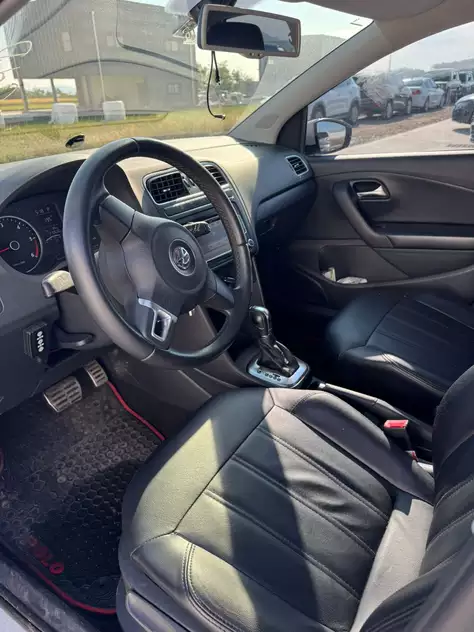
Automatic transmission — Available but in short supply at most local agencies. Book 3–4 weeks ahead in peak season. The mountain coastal roads on the SH8 have many steep hairpin bends — if manual on inclines makes you uncomfortable, the automatic premium is money well spent.
-
Standard 2WD is enough for most trips — Butrint, Ksamil, Gjirokastër, Himarë, and the main Riviera highway are all accessible in a standard economy car. You only need 4WD for genuinely remote tracks well off the main roads.
Top day trips from Saranda by rental car
A rental car from Saranda puts the entire southern quarter of Albania within reach. These are the routes worth building a day around — distances, drive times, and what to expect at each destination.
16 km south along the SH81 — about 20 minutes. Ksamil has three small islands visible from shore, connected by shallow turquoise water you can wade to, and several beaches with fine white sand. In July and August it fills fast; arriving by car before 9am means choosing your spot before the crowds. No reliable bus covers the return trip in the afternoon. Bring snorkelling gear — visibility is exceptional. A full morning here is enough; combine it with a Butrint visit in the afternoon.
20 min16 km southHalf or full dayEconomy car fine
20 min16 km
18 km south of Saranda via the SH81, through hills, wetland, and lake. Butrint is continuously inhabited from ancient Greek times through Byzantine and Venetian rule — the ruins include a theatre, baptistery, basilica, lion gate, castle, and extensive city walls. Plan 2–3 hours on site minimum. There’s a paid car park at the entrance. The road is paved and easy to navigate. No public bus runs on a schedule that matches a day trip. An early start (arrive by 9am) gives you the ruins before organised tour groups arrive from Saranda.
30 min18 km southHalf or full dayEconomy car fine
30 min18 km
25 km inland from Saranda via Delvinë — roughly 40 minutes. Blue Eye is a natural freshwater spring where water rises from an unknown depth through a pool of extraordinary colour, so vivid it looks digitally enhanced. The surrounding forest is cool and green even in summer. The road is paved throughout. There’s a small car park at the entrance and a café nearby. A standard economy car handles the route without issue. Arrive before 10am in summer — it’s one of Albania’s most visited natural sites and crowds arrive by midday. No public transport serves it reliably.
40 min25 km inlandHalf dayEconomy car fine
40 min25 km
60 km north of Saranda through the Dropull valley, with views of the river, stone villages, and the Albanian–Greek border mountains. Gjirokastër is a UNESCO-listed Ottoman city built into a steep hillside — it’s one of the best-preserved old towns in the Balkans. The 12th-century castle at the top houses a weapons museum and offers panoramic views. Below, the covered bazaar (pazari i vjetër), historic towers, Skenduli House, and the Ethnographic Museum fill a full day easily. Leave Saranda by 8:30am. The drive takes 70 minutes via the SH4/SH75; the road is good throughout. Return via the same route or continue north.
70 min60 km northFull dayEconomy car fine
1h 10m60 km
50 km north along the SH8 coastal highway — about 75 minutes. The road climbs from Saranda through Borsh (one of the longest sand beaches in Albania), past the Ali Pasha Castle at Porto Palermo on its own small peninsula, and continues to Himarë, a relaxed coastal town with Greek and Albanian communities, good waterfront restaurants, and a long beach. Stop at Borsh for a swim if you have time — it’s often quieter than Himarë and has excellent clear water. The SH8 is paved and well-maintained in this section, with guardrails on the exposed cliff stretches.
75 min50 km northFull dayEconomy or SUV
1h 15m50 km
75 km north of Saranda — about 90 minutes. Dhermi is widely considered the most beautiful village on the Albanian Riviera: white stone houses spilling down a hillside above a wide bay with exceptional clarity. The descent on the SH8 via switchbacks is steep — keep right on bends. Gjipe Beach is 20 minutes on foot through a canyon from the roadside car park; it’s hemmed in by cliffs, largely undeveloped, and worth the walk. Both stops together make a full day. Fuel up in Saranda before heading north — stations are limited between Himarë and Dhermi.
90 min75 km northFull dayEconomy car fine
1h 30m75 km
130 km north of Saranda, covering the complete SH8 coastal route. This is the drive itself — Borsh, Qeparo, Himarë, Palasë, Dhermi, Gjipe, Drymades, and finally Vlorë at the top of the bay. Budget a full day and leave Saranda early. There are more beaches than you can visit in a single trip; pick two or three and allow time at each. Vlorë has a good seafront and restaurants. Return via the same route or take the faster inland SH4 back through the hills. The SH4 is quicker but misses everything scenic — the SH8 is the right choice for the outward journey at minimum.
2h 20m130 kmFull dayEconomy car fine
2h 20m130 km
One-way car rentals: Saranda to Tirana
If you’re entering Albania via Corfu and Saranda but leaving through Tirana airport — or the reverse — a one-way rental removes the need to backtrack. Pick up in Saranda, drive north through the Riviera and inland, drop the car in Tirana. The route itself is worth taking slowly over 2–3 days.
Saranda to Tirana — One-Way Route
Arrive Saranda
Corfu ferry
Drive the Riviera
SH8 north
Drop off Tirana
airport or city
The drive from Saranda to Tirana takes 4.5–5 hours non-stop. Most travellers spread it over 2–3 days, stopping in Himarë or Vlorë the first night and Berat — roughly halfway — the second. Berat is another UNESCO World Heritage city and worth an overnight stay.
one way car rental saranda to tirana
rent a car saranda drop off tirana
saranda tirana one way car hire
What to know before booking a one-way rental
Not all Saranda agencies offer one-way drop-offs. Larger regional operators and international booking platforms are more likely to accommodate this. Expect a one-way surcharge on top of the daily rate — typically €30–120 depending on distance and supplier.
Confirm the exact drop-off address in writing before you leave Saranda. “Tirana” covers the city centre, Tirana Airport, and Rinas Airport — these are different locations. Get the address and opening hours of the drop-off point confirmed before departure.
Flying into Tirana first? Pick up your car at
Tirana or
Rinas Airport, drive south along the SH4/SH8, explore the south, and drop the car in Saranda before catching the Corfu ferry. Same logic, opposite direction — and both routes work equally well.
Driving in Albania — a practical guide
Albania has improved its roads significantly over the past decade. The main highways and the SH8 coastal road are in good condition. Secondary roads vary. Here’s what to expect behind the wheel in and around Saranda.
Speed limits
0%blood alcohol
Alcohol limit
Albania has a zero-tolerance alcohol policy for drivers. The legal blood alcohol limit is 0.00% — stricter than most EU countries. Fines are substantial.
Road conditions and practical tips
SH8 Coastal Road
Paved throughout and recently upgraded. Guardrails on most exposed sections. Narrow in places — keep hard right on blind mountain bends. Pull-offs are scattered along the route for views and photos.

Navigation
Google Maps works in Albania but occasionally routes through tracks unsuitable for standard cars. Maps.me with an offline Albania download is a useful backup. Download both before leaving Saranda — coverage is patchy inland.

Fuel Stations
Saranda has several petrol stations. Fill up before heading to Blue Eye, remote beaches, or mountain routes. Stations thin out between Himarë and Dhermi. Most accept cash; card acceptance is improving but not universal.

Night Driving
Avoid mountain roads after dark if you don’t know the route. Road markings fade on secondary roads. Livestock on the road is a genuine hazard in rural areas — horses and cows especially on mountain stretches.

Police Checkpoints
Albanian police run regular document and speed checks, particularly on the SH8 and entry/exit routes from Saranda. Carry your licence, passport, rental agreement, and insurance documents at all times. Be patient.

Parking in Saranda
Blue-zone parking in the centre requires tickets from kiosks — usually a few lek per hour. Hotels outside the immediate centre typically offer free parking. Butrint and Blue Eye both have small car parks at the site entrance.

Mobile Coverage
Good in Saranda and along the main coastal road. Patchy in mountain valleys and remote inland routes. Save your rental agency’s emergency number as a contact before you set out — don’t rely on finding it in an email.
Mountain Roads
Narrow, steep, and scenic. First-gear descents are normal on the SH8 switchbacks. Many sections have no outer barriers. Drive to the pace the road demands, not the pace you’d prefer on a clear day.
Rules of the road
-
Drive on the right. Overtake on the left. At unmarked junctions, priority goes to traffic from the right.
-
Headlights required outside urban areas at all times — including during daylight hours. This is Albanian law and is enforced. Most rental cars have daytime running lights, but confirm your lights are on before leaving the city.
-
Warning triangle and reflective vest required by law. Most rental cars include these in the boot. Confirm at pickup — they’re needed if you break down on the road.
-
No phone use while driving unless hands-free. Fines apply and enforcement has increased. Mount your phone in a holder before starting the engine.
-
One short horn beep before blind bends is common practice on narrow mountain roads — it warns oncoming traffic of your presence. Follow the convention on single-lane mountain sections above the Riviera.
-
Rain makes mountain roads significantly more dangerous. The SH8 can be slippery when wet, and some gravel tracks become impassable. If heavy rain is forecast, adjust your route or postpone remote inland trips.
Cross-border driving: If you plan to drive into Greece by road — not by ferry — confirm written cross-border permission with the rental agency before leaving Saranda. Many local operators do not permit it. Those that do charge an additional fee and may restrict vehicle categories. Get this in the rental agreement, not just a verbal confirmation.
Frequently asked questions
What’s the cheapest time to rent a car in Saranda? ▼
March is typically the cheapest month, with economy cars from around €24/day. Low-season rates (November–April) are the most affordable. May, early June, September, and October offer the best combination of reasonable prices and good weather. July and August are the most expensive — expect to pay 40–60% more than shoulder season rates.
Can I take the rental car from Saranda into Greece? ▼
It depends on the agency. Many local Saranda operators do not permit cross-border travel into Greece by road. Those that do charge an additional fee and may limit which vehicle categories can cross. Mention this when booking and get the permission documented in the rental agreement — not just a verbal yes.
Do I need an International Driving Permit to drive in Albania? ▼
EU, UK, US, Canadian, and Australian licences are accepted in Albania without an IDP. If your licence is in a non-Latin script — Arabic, Chinese, Cyrillic, etc. — an IDP is strongly recommended. It translates your details and significantly reduces the chance of complications at police checkpoints.
Is a credit card required, or can I use a debit card? ▼
Most agencies prefer a credit card for the security deposit hold (typically €200–500). A debit card is accepted at some local operators, particularly if you pay the full rental cost in cash. Prepaid travel cards are generally not accepted. Confirm this at the time of booking — finding out on arrival that your card isn’t accepted causes real problems.
Can I pick up a car at Saranda Port when arriving from Corfu? ▼
Yes. Several rental agencies have representatives at or near the port, and many offer delivery to the ferry terminal. Book in advance rather than arranging it on arrival, particularly in July and August when vehicles are in short supply. Confirm the exact meetup point when booking — “at the port” can mean slightly different spots depending on the agency.
What car do I need for the road to Blue Eye Spring? ▼
A standard economy car is fine. The road to Syri i Kaltër is paved throughout, though narrow in sections. The car park at the entrance handles regular vehicles without issue. You don’t need 4WD or high clearance for this route. The same applies to Butrint and Ksamil — a small economy car covers all three.
Can I do a one-way rental from Saranda to Tirana Airport? ▼
Yes, but not all local Saranda agencies offer it. Larger regional operators and international booking platforms are more likely to accommodate one-way drop-offs. Expect a one-way surcharge on top of the daily rate. Confirm the exact drop-off location — Tirana city centre, Tirana Airport, or Rinas Airport — in writing before you leave Saranda.
How far in advance should I book in summer? ▼
For July and August, book 3–4 weeks ahead. Saranda’s rental fleet is smaller than a major city, and stock tightens quickly in peak season. Automatics and SUVs go first. If you’re flexible on vehicle type and happy with a manual economy car, 1–2 weeks ahead is usually sufficient. Outside peak season, same-day bookings are often possible at local agencies.
What do I do if the car breaks down? ▼
Store the rental agency’s emergency number in your phone before you leave Saranda — not just in your booking email. If you’re on a mountain road with no signal, drive or walk to an area with coverage before calling. Most agencies include 24-hour roadside assistance; confirm this is in your agreement. Download an offline map (Maps.me or Google Maps offline) before heading into remote areas — you’ll need it when data isn’t available.
.webp?1749027365)
.webp?1740978940)
.webp?1740979296)
.webp?1696451733)
 Complete Travel Guide
 Albanian Riviera Gateway
 From €24/day


 Documents Required
 Driving Licences Accepted
 Payment and Deposit
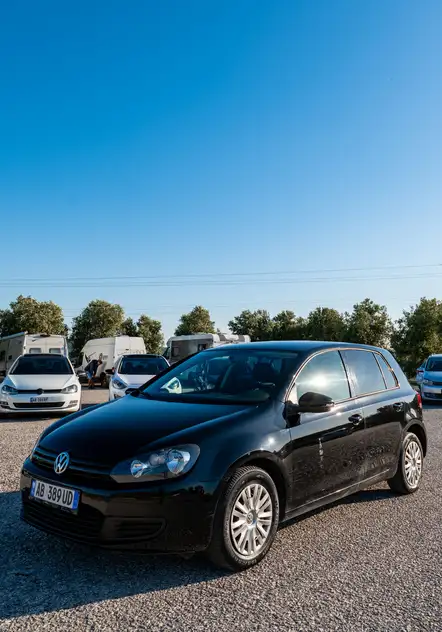
 Before you drive away: Walk around the entire car and photograph every scratch, dent, chip, and scuff — roof and under the bumpers included. Send the photos to yourself with a timestamp immediately. This takes 3 minutes and prevents disputes on return. Do this even when the agency provides a pre-printed damage checklist — the checklist is theirs, the photos are yours.


 All Albania Car Rental Locations